
 Business License

Centrifugal blower selection: how to choose the right model for your application
Most centrifugal blower selection mistakes are not made inside the machine. They are made before the enquiry goes out, when a buyer compares airflow figures without the pressure that goes with them, or orders a replacement without checking the operating point. A blower that delivers the right volume at the wrong pressure will not run the process. A unit that runs will still fail if the gas, the motor supply, or the installation conditions were never confirmed.
This guide explains the information to gather before you compare models, the terms suppliers use, and the documentation to request before you ask for a quotation. It is written for procurement teams, facilities engineers, and project buyers who need a practical, repeatable way to evaluate centrifugal blower offers. The sections below show how to choose a centrifugal blower by confirming the duty, the gas, the materials, and the motor requirements before any comparison.
You will learn what to confirm about the gas, the airflow, the static pressure, the operating point, the materials, and the motor. You will also get a checklist you can reuse for every enquiry.
Start with a duty sheet now: write down the gas, the airflow, and the static pressure your process needs, then refine the numbers as you work through the sections below.
XiAn Wisdom Computer Info&tech Co., Ltd lists centrifugal blowers among its stated product categories. Model availability, airflow, pressure, materials, and motor specifications for any specific unit require confirmation from current documentation for that model. The guidance below is general selection practice, not a statement about a particular machine.
What a centrifugal blower is and where it fits
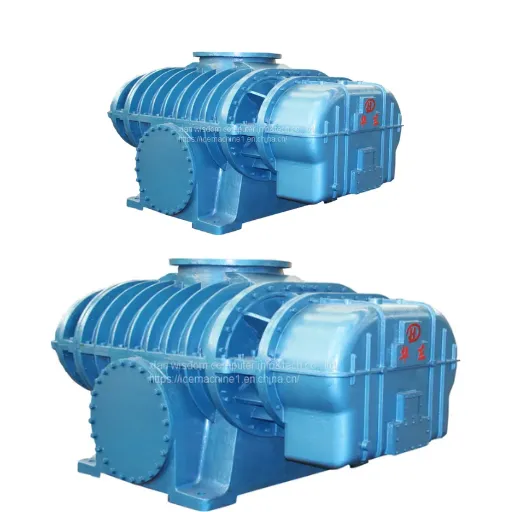
Before comparing offers, it helps to place the centrifugal blower within the wider air-moving equipment family. The term covers a range of machines, and the right category depends on the pressure and flow the process needs.
How a centrifugal blower works
A centrifugal blower uses a rotating impeller to accelerate gas outward. Gas enters the inlet near the centre of the impeller, is picked up by the blades, and is thrown toward the outer edge of the casing. As the gas moves outward, its velocity increases, and the casing converts part of that velocity into pressure before the gas leaves the outlet.
The machine delivers pressure and flow together along a performance curve. At low flow it produces high pressure, up to the shutoff point. At high flow the pressure falls off. This curve, not a single headline figure, is what matters for selection.
Centrifugal blowers vs other air-moving equipment
Industrial buyers often use the words fan, blower, and compressor loosely. For a practical enquiry, the differences show up in the pressure range and the flow behaviour.
| Equipment type | Typical pressure range | Flow behaviour | Common use |
|---|---|---|---|
| Axial fan | Low | High volume at low pressure | General ventilation, cooling |
| Centrifugal blower | Medium | Varies with system resistance | Aeration, pneumatic conveying, dust collection |
| Positive displacement blower | Medium to high | Nearly constant volume | High-pressure, low-flow processes |
A centrifugal blower sits between a fan and a positive displacement machine. It moves moderate volumes against moderate resistance, and its delivered flow changes as the system resistance changes. A positive displacement blower, by contrast, pushes a nearly constant volume and lets the pressure build to whatever the system demands. If the process needs a high pressure at a low or variable flow, the comparison should include both families rather than assuming one is correct.
Choose the blower design within the centrifugal family
Once the centrifugal category fits the duty, the impeller design decides how the machine behaves. Each type suits different gases, pressure patterns, and operating conditions.
Radial and straight-blade impellers
Radial impellers push gas outward with blades that are nearly straight. They handle dust, sticky materials, and higher pressures better than some curved designs, and they are common in pneumatic conveying and material handling. They are typically noisier and slightly less efficient than backward-curved designs at the same duty, so energy use deserves attention during selection.
Backward-curved impellers
Backward-curved blades angle away from the direction of rotation. This design gives good efficiency, a stable operating range, and a non-overloading characteristic: motor power peaks near the design point instead of climbing sharply at low flow. For steady, continuous processes such as aeration and ventilation, backward-curved blowers are often the first choice.
Forward-curved impellers
Forward-curved blades angle into the direction of rotation. These units produce higher pressure at relatively low flow and low speed, which suits compact ventilation and small pressure requirements. They can overload the motor if the system resistance drops, so the operating point and motor protection matter more with this design.
| Impeller design | Typical strength | Common applications | Selection watchpoint |
|---|---|---|---|
| Radial | Handles dust and sticky gas, higher pressure | Pneumatic conveying, material handling | Noise and efficiency |
| Backward-curved | Good efficiency, stable range | Continuous aeration, ventilation | Confirm the operating point |
| Forward-curved | High pressure at low flow, compact | Small ventilation, low-pressure duty | Motor overload at low resistance |
Use the table to frame the shortlist, then compare candidate models under the same operating conditions rather than under each supplier's preferred marketing figures.
Define the duty before you compare models
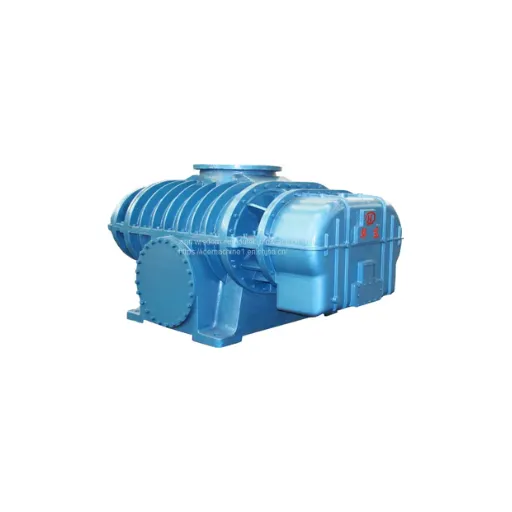
The duty is the combination of the required airflow and the required static pressure at your operating conditions. In practice, centrifugal blower airflow and pressure requirements come as a pair, and both must be stated for the same reference condition. Every model comparison depends on getting these two numbers right first.
Airflow at the operating condition
Airflow is the volume of gas moved per unit of time, usually stated in cubic meters per hour (m3/h) or cubic feet per minute (CFM). The figure that matters is the volume at your operating condition, not a number lifted from an older calculation.
Units and reference conditions matter. A blower rated at 8,000 m3/h at 1,013 mbar and 20 degrees Celsius moves a different mass of gas at 45 degrees Celsius and 1,200 meters of altitude. When a supplier quotes a flow, ask for the reference condition attached to it. That condition is part of the specification, not fine print.
Static pressure, not a headline number
Static pressure is the resistance the blower must overcome to push gas through the system. It is measured in pascals (Pa), millibars (mbar), or inches of water gauge. The resistance comes from ducts, elbows, filters, silencers, diffusers, fluid-bed media, or the depth of a column of material.
The common trap is assuming one pressure figure fits every condition. A dust collector draws more resistance as the filter bags load. A fluidized bed has a pressure requirement that depends on the product and the bed depth. Define the pressure at the design flow, and note the range if the system resistance varies during operation.
The operating point on the system curve
A centrifugal blower works against a system, and the system has its own pressure-versus-flow relationship. The point where the blower curve and the system curve cross is the centrifugal blower operating point. That is where the machine actually runs.
A maintenance supervisor at a cement plant in Nairobi once replaced a failed blower using the nameplate flow from the old unit. The new machine reached the airflow on paper, but at a lower pressure than the process demanded. When the filter bags loaded, the blower rode its curve down and the line starved. The replacement had never been checked against the system curve, only against a single airflow figure.
Ask every supplier to confirm the operating point in writing, with the airflow and static pressure together, at the reference condition your process uses. A quotation that leaves the operating point blank has not been checked against your system.
A useful next step: Prepare a one-page duty sheet with the gas, temperature, required airflow, static pressure, and operating hours. Send the same sheet with every enquiry so all suppliers quote against identical conditions.
Know the gas and the application
The blower moves a medium, and that medium drives the design rules. Naming the gas and the job it performs comes before materials and motor selection.
Gas composition, temperature, and contaminants
For clean, dry air near ambient conditions, the selection is straightforward. Away from air, every choice changes:
Corrosive gases such as chlorine or sulfur-laden process gas require corrosion-resistant casing and impeller materials plus compatible seals.
Flammable or explosive mixtures change the motor, electrical, and ventilation requirements, and may require equipment rated for the hazard zone.
Abrasive dust in pneumatic conveying shortens impeller life unless the blower is built for wear, with suitable clearances and replacement parts.
Hot gas reduces the allowable material strength and may call for cooling provisions or a different bearing arrangement.
Name the gas, its expected temperature, and its concentration. Suppliers need those details to propose a material set, not just a frame size.
Materials of construction follow the medium
Centrifugal blower materials follow the medium, not the frame size. For clean air, painted carbon steel or aluminum construction is common. For corrosive service, stainless steel or coated materials may be required, and the coating must be compatible with the gas at the operating temperature. For abrasive service, wear-resistant construction matters, and the availability of replacement impellers becomes part of the maintenance plan.
Seals keep the process gas inside the casing and the atmosphere out. For hazardous or toxic gas, the seal arrangement is a safety decision, not an accessory. Bearings, lubrication, and temperature monitoring affect continuous operation, especially at high speed or high inlet temperature.
Do not assume a material is compatible with your gas because it appears on a price list. Compatibility depends on concentration, temperature, and moisture. Ask the supplier to confirm the material set against your stated gas composition and operating conditions, and request the relevant documentation in writing.
Ambient conditions that change the rating
Three site conditions change the blower rating:
At higher altitude the air is less dense, so the blower moves less mass for the same volume.
At higher ambient temperature motor cooling is less effective.
At higher humidity the gas density and the corrosion risk both change.
Give the supplier the site altitude, the ambient temperature range, and the expected gas temperature so the rating reflects your location rather than the manufacturer's reference conditions.
Confirm electrical and installation requirements
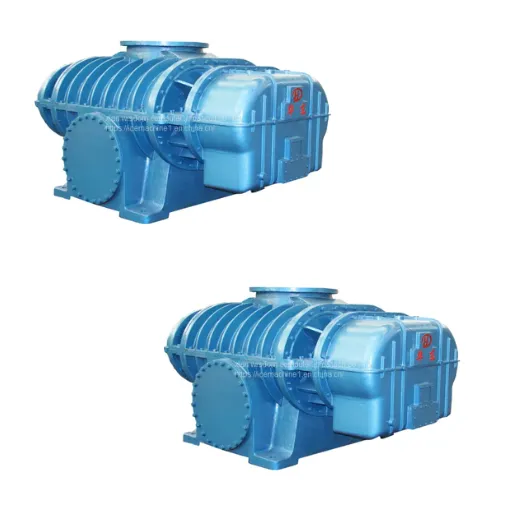
The motor is part of the duty, and the site decides whether the rating holds in service.
Voltage, frequency, and phase
Confirm the supply before the enquiry: the voltage, the frequency, and the number of phases. A unit rated for 380 V, 50 Hz, three-phase, will not run correctly on a 60 Hz supply without confirmation. If the equipment is going to a destination market with a different electrical standard, state the destination supply in the enquiry so the motor and controls can be checked against it.
Motor sizing and drive arrangement
Centrifugal blower motor requirements start with power, then voltage, frequency, and phase. Motor power must cover the blower at the highest expected operating point, plus starting and transient conditions. Confirm the motor power, speed, and insulation class in the model documentation.
The drive arrangement also affects selection. A belt drive allows speed adjustment and simplifies some maintenance, but adds belt losses and spare parts. A direct drive removes those parts and losses but fixes the speed. A variable frequency drive can adjust speed for changing demand, so confirm the motor speed range and drive compatibility in the documentation.
A food-processing plant in Rotterdam ordered a blower with a 60 Hz motor for a European line that ran on 50 Hz. The unit would not reach its rated speed without a separate drive, and the correction cost more than the difference in the initial price. A single line on the enquiry stating the supply voltage and frequency would have prevented the mistake.
Noise, space, and maintenance access
Set the noise limit before you select, because silencers and acoustic enclosures change the footprint and the price. Confirm the installation space, the direction of the inlet and outlet connections, and the foundation or mounting arrangement. Check access for routine maintenance: bearing lubrication, belt changes, filter inspection, and impeller checks. A machine the team cannot service becomes a recurring problem.
A useful next step: Confirm the voltage, frequency, and phase with the site before requesting a quotation, and add the altitude and ambient temperature range to the duty sheet.
Compare documented specifications like for like
With a shortlist in hand, the comparison must happen against documentation, not against catalogue descriptions.
What to confirm for each model
Request the current datasheet or technical manual for the exact model number and cover the following points:
Airflow and static pressure at the operating point, with the reference condition stated
The full performance curve, not only the headline point
Motor power, voltage, frequency, phase, and speed
Casing, impeller, seal, and bearing materials
Dimensions, weight, connection sizes, and installation requirements
Noise data and the conditions under which it was measured
Applicable drawings, manuals, and any destination-market compliance information
Request the performance curve
Line the candidate models up under the same operating conditions. Check each model's operating point against your system curve. Verify that the reference condition for the flow matches your site. Confirm the material set against your gas.
If a quotation cannot show a performance curve for the exact model, treat it as incomplete rather than assuming the missing numbers are acceptable. The headline flow and pressure on a brochure are not a substitute for the curve at your conditions.
Record what remains open
Make a list of the questions each quotation leaves unanswered. A blank cell in the comparison is better than a guessed number, because the guess gets built into the purchase. When a supplier cannot confirm a specification in writing, ask again. If the detail is still missing, weigh that gap when you compare offers.
Confirm commercial and after-sales terms
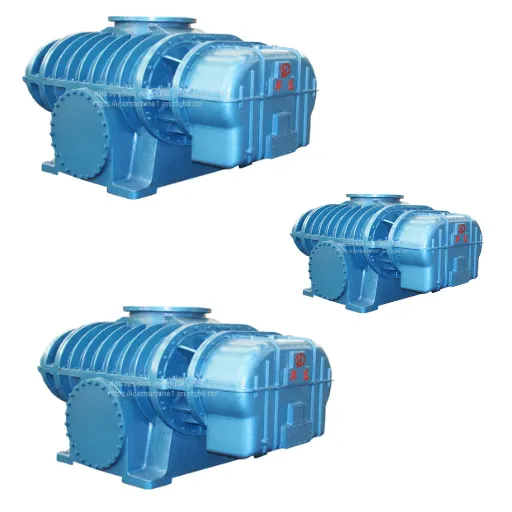
The commercial terms are part of the selection and deserve the same documentation discipline as the airflow.
Documentation that should ship with the unit
Request written confirmation of the model, quantity, lead time, payment terms, warranty, and shipping arrangement for your destination. Confirm which documentation ships with the unit: the manual, the performance test report, and any applicable certificates. Ask how spare parts, particularly impellers, seals, and bearings, are handled for the selected model.
XiAn Wisdom Computer Info&tech Co., Ltd states that after-sales support is a priority in its service approach. Ask which service information, manuals, and parts details apply to the specific order, and request that confirmation in writing.
Energy data at your operating point
If energy use is a selection criterion, request current, model-specific operating data at your operating point. Efficiency measured at one point does not transfer to another, so ask for the data at the flow and pressure you need. The company states that it intends to introduce products related to energy conservation, but public content and purchase decisions should still rely on verified, model-specific data rather than a category claim.
A useful next step: Request the current documentation for the shortlisted models, including the performance curve, the material set, and the motor details. Then confirm the commercial terms in writing for your model, quantity, and destination before comparing offers.
Conclusion: a centrifugal blower selection checklist
Centrifugal blower selection works when the duty comes first and the documentation follows. Define the gas and the application, state the airflow and static pressure together at a defined reference condition, and map the operating point on the system curve. Confirm the materials against the gas, the motor and drive against the supply, and the installation against the site. Then compare documented model information and finish with written commercial terms.
Keep this checklist for your next enquiry:
Name the gas, its temperature, and the application.
State the required airflow at a defined reference condition.
State the static pressure at the design flow.
Map the system curve and confirm the operating point.
Shortlist the blower design that fits the duty.
Select materials, seals, and bearings for the gas.
Confirm motor, drive, voltage, frequency, and site conditions.
Compare candidate models under identical conditions.
Request the current documentation for each model.
Confirm commercial and support terms in writing.
The scenarios in this guide are illustrative examples used to explain selection principles, not documented customer case studies. Confirm model-specific airflow, pressure, materials, and motor details against current documentation before finalizing any order.
If you are preparing an enquiry, start with a one-page duty sheet. Write down the gas, the airflow, the static pressure, the operating hours, and the site conditions, then share it with the suppliers you are evaluating. XiAn Wisdom Computer Info&tech Co., Ltd lists centrifugal blowers among its product categories; discuss your application requirements and request the current model documentation so the specification can be checked against your operating needs.
Recently Posted
-
How to choose a surge protection device
August 13, 2026Nadia manages a food-processing plant. After an electrical storm, the control board on her packaging line stopped responding. The Read More
 -
Diesel Generator Sizing Guide: How to Choose the Right Set
August 13, 2026Marta manages a cold-storage facility that loses product every time the grid supply drops. When the operations team bought a backu Read More
 -
Diesel Generator Maintenance Guide: What to Check and When
August 13, 2026A diesel generator set fails when it is needed most, and rarely by accident. The standby set in the engine room has seen no servic Read More
 -
Frequency Power Supply Selection: How to Choose the Right Equipment
August 13, 2026Marek runs an equipment-testing lab that recently took on three-phase units rated for 60 Hz. His site is supplied at 50 Hz, so the Read More

Contact Us
Recommended Products
-
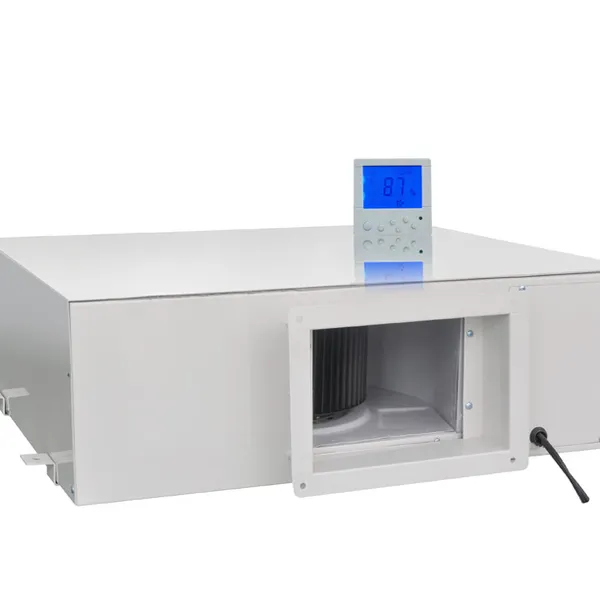
 Large Capacity Ceiling Mounted Space Saving Indoor Pool DehumidifierNegotiableMOQ: 1 Piece
 -
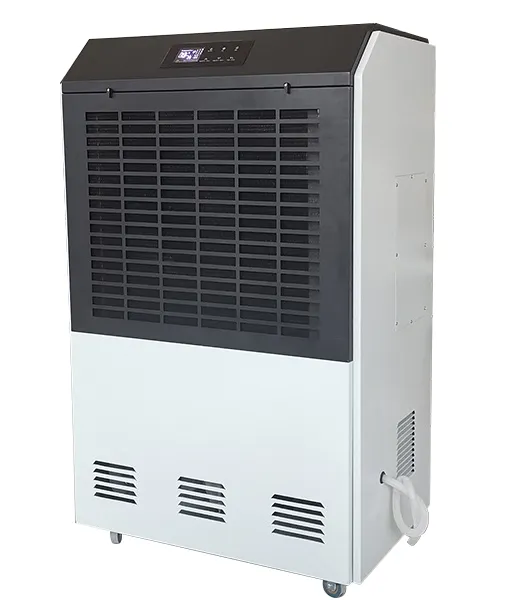
Commercial Home Use Bathroom Dehumidification Swimming Pool Ceiling Mounted Mini DehumidifierNegotiableMOQ: 1 Piece
-
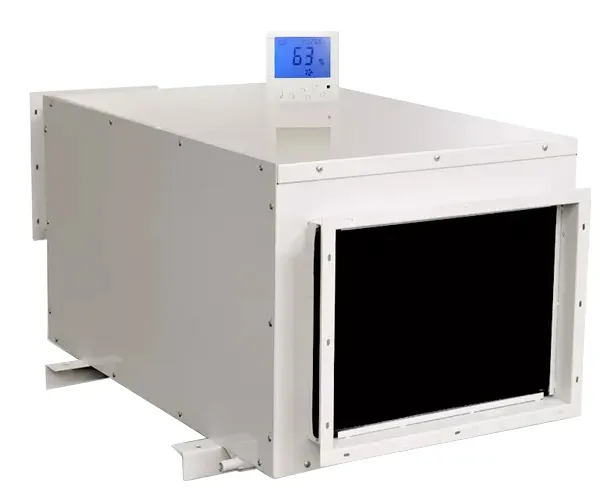
Greenhouse Grow Room Industrial Ceiling Mounted Duct Indoor Pool DehumidifierNegotiableMOQ: 1 Piece
-
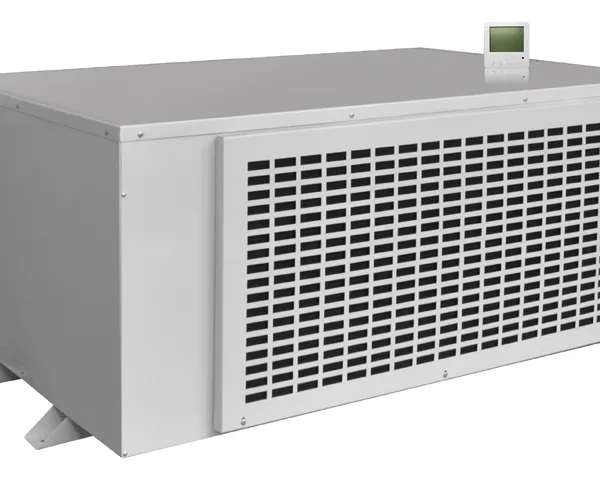
Duokai OEM Indoor Dehumidifier Portable Swimming Pool Dehumidifier in Stock With CENegotiableMOQ: 1 Piece
-
High Quality Low Voltage ODM & OEM PLC Distribution CabinetNegotiableMOQ: 1 Set

-
Saladin Type Malt Production LineNegotiableMOQ: 1 Set
-
Seawater Desalination SystemUS$ 2000 - 1000000MOQ: 1 Set
-
High Speed Synthetic Lane Bowling Ball ReturnUS$ 50 - 2000MOQ: 10 Pieces
-
Reliable Automatic Six Axis Industrial Packing Robot With Self Diagnostic SystemNegotiableMOQ: 1 Piece
-
Multi-Travel Radius Six Axis Servo Robot for Custom Automation WorkstationNegotiableMOQ: 1 Piece

-
Labor Saving 6 Axis Industrial Robot Boost Workshop Production EfficiencyNegotiableMOQ: 1 Piece
-
Factory Direct Wholesale Carton Palletizer Packing Line Robot for MilkNegotiableMOQ: 1 Piece
-
Six-Axis Industrial Robotic Arm for Handling Welding Loading UnloadingNegotiableMOQ: 1 Piece
-
High-Automation High-Precision Six-Axis Metal Laser Industrial Welding RobotNegotiableMOQ: 1 Piece
-
Six-Axis Automatic Industrial Welding Robot Arm With Competitive PriceNegotiableMOQ: 1 Piece