
 Business License

Centrifugal Blower Selection: A Buyer's Guide
When a new transfer blower started up at a packaging plant last year, the commissioning engineer expected a quick turn-on. Instead, the motor drew heavy current while the airflow barely moved the product along the line.
The blower had been chosen by motor power, not by the pressure the ducting actually demanded.
That mistake is easy to make. Centrifugal blower selection fails most often when a buyer treats it as a one-number decision. The airflow and pressure the unit must deliver, the medium it moves, the site conditions, the electrical supply, and the documentation for each model all affect suitability.
This guide walks through the selection process in clear steps. You'll learn what to define before comparing models, how to check a fan curve and the fan laws, which site and power details to confirm, and what documentation to request before you order.
By the end, you'll have a checklist you can hand to a supplier when you request product information or a quotation.
What centrifugal blower selection involves
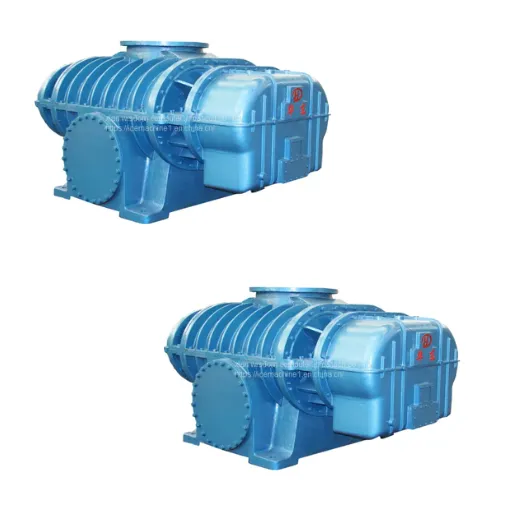
Centrifugal blower selection is the process of matching a required airflow and pressure to a documented blower model under defined operating conditions. A centrifugal blower moves air or gas with a rotating impeller. The impeller accelerates the flow, and the housing converts that velocity into pressure.
These units appear across ventilation, material handling, process air, combustion air, dust extraction, and cooling duties. They differ from axial fans in how they develop pressure and in the shape of their performance curves.
XiAn Wisdom Computer Info&tech Co., Ltd lists centrifugal blowers among its stated industrial and electromechanical product categories, alongside pumps, frequency power supplies, generators, and other equipment. Product availability and model specifications require confirmation for each enquiry. The practical role of a selection guide, then, is to help you prepare the technical details a supplier needs before a specific model can be discussed.
Selection matters because a mismatch is rarely visible at delivery. It shows up later as low output, overheating, excessive noise, or a motor that runs at the edge of its rating. Most of those problems are avoidable when requirements are defined first and the chosen model is checked against its current documentation.
Step 1: Define the application first
Start with the application, not a catalogue page. The same blower can behave differently across duties, so the requirements you record should describe what the equipment must move and how it will run.
The medium being moved
State what the blower will handle. Clean air is the simplest case. Dust, fibers, moisture, corrosive fumes, or process gases change the material and construction requirements.
Priya, a plant engineer, learned this when she specified a standard blower for a light dust-collection line. The unit worked at first, then wore quickly. When she reviewed the requirement, she realized the duty called for an impeller and housing suited to particulate-laden air, not a general-purpose build. The correction was documented before the replacement order, and the new unit ran without the early wear.
Prepare these details about the medium:
Clean air, dust, fumes, fibers, or moisture content.
Temperature range and any corrosive or abrasive content.
Any risk of condensation or sticky buildup.
Flow direction and how the blower connects to the rest of the system.
Duty pattern and operating hours
Record whether the blower runs continuously, intermittently, or in cycles. Duty affects motor selection, operating point, and maintenance expectations. A unit sized for continuous service should not be treated as interchangeable with one rated for short cycles.
The failure that starts with a shortcut
A selection based on motor size alone skips the two numbers that matter most: airflow and static pressure. Both appear in the next step, and both must be confirmed against the actual system.
Step 2: Airflow and static pressure
Airflow and static pressure are the two core ratings for any centrifugal blower. Define both before comparing models.
Required airflow
Airflow is the volume of air or gas the system must move, usually stated in cubic metres per hour (m³/h) or cubic feet per minute (CFM). Define the flow at the operating condition, not just a peak value. A dust-extraction line, a combustion-air supply, and a ventilation circuit each need a flow figure tied to the process.
Static pressure and system resistance
Static pressure is the pressure the blower must produce to overcome resistance in the ducting, filters, dampers, and fittings. In metric systems it is commonly stated in pascals (Pa); in imperial practice, in inches of water gauge (in. W.G.). The required pressure is set by the system, not by the blower, so it must be calculated or measured from the installed arrangement.
A useful way to think about it: the blower supplies flow, and the system demands pressure. The point where the blower curve and the system curve meet is the operating point.
Fan curves and the operating point
A fan curve plots airflow against the pressure the blower can produce. The system curve plots the pressure the ducting requires at each flow level. The intersection of the two is where the unit will actually run.
Select the operating point on the stable part of the curve. The region to the right of the peak pressure point is generally the stable range, while the left side approaches stall and can be unstable. Confirm the recommended selection range for the blower type and model with the supplier, and state your required flow and pressure so the operating point can be checked.
The fan laws
The fan laws describe how airflow, pressure, and power change with speed. For a fixed impeller, airflow changes directly with speed. Pressure changes with the square of speed, and power changes with the cube of speed.
Doubling the speed roughly doubles flow, multiplies pressure by four, and multiplies power by eight. That explains why a small change in required pressure can have a large effect on motor power, and why operating conditions should be confirmed before a rating is assumed.
The Air Movement and Control Association (AMCA) publishes the test and rating standards that back certified fan data, including methods for measuring airflow and pressure and procedures for applying the fan laws at higher pressures. Refer to AMCA and ASHRAE guidance when you need the governing test methods for a rated performance figure.
As you prepare your airflow and pressure details, request the current product information for the blower categories you're comparing, so the operating point can be checked against a documented curve.
Step 3: Check the operating environment and site conditions
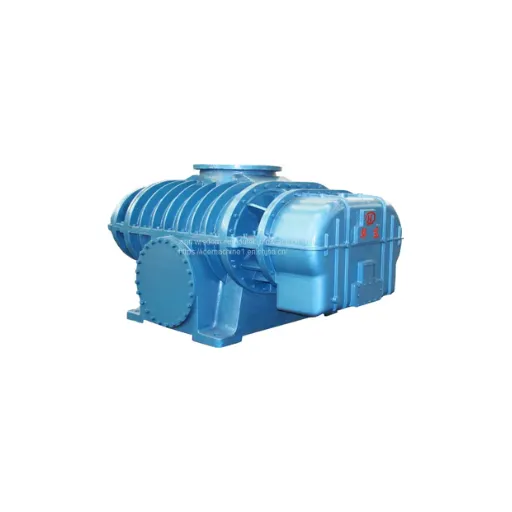
Site conditions affect both performance and fit. Collect these details before you request a quotation.
| Site condition | Why it matters |
|---|---|
| Operating temperature | Air density and delivered mass flow change with temperature |
| Altitude | Lower air density reduces the mass flow the blower delivers |
| Installation space | Motor, drive, and service access need clearance |
| Ducting arrangement | Poor inlet and outlet conditions reduce delivered performance |
| Noise limit | Sound data and isolation may be required |
| Power supply | Voltage, frequency, and phase must match the motor |
Temperature, altitude, and air density
Fans are constant-volume machines, but pressure and power change with air density. Hotter air, higher altitude, or a process gas different from standard air all change the mass flow the blower delivers. Confirm the operating temperature, altitude, and medium with the supplier, and check that the rated conditions on the datasheet match your site. A blower selected for standard conditions can be undersized in a hot or high-altitude application.
Installation space and ducting arrangement
Measure the space for the blower, the motor, and service access. Confirm the inlet and outlet connections and the ducting arrangement, including elbows, transitions, and dampers close to the blower.
Poor inlet or outlet conditions cause a performance loss known as system effect. AMCA Publication 201 provides methods for estimating this loss, and AMCA International offers training and credentialing on fan application topics. In practice, an elbow placed too close to the inlet can reduce delivered flow and raise power draw, so confirm the recommended straight runs and clearances with the supplier.
Noise and vibration
Define any noise limit for the installation, especially near occupied areas or residential boundaries. Request sound data for the model and conditions if noise matters, and confirm whether the motor, drive, and mounting arrangement add vibration that must be isolated.
Step 4: Motor, power supply, and control requirements
The electrical supply at the installation point must match the motor configuration. Confirm these before discussing a model.
Voltage, frequency, and phase
Record the available supply: voltage, frequency in hertz (Hz), and phase. Common industrial supplies include 380 V / 50 Hz and 208-230 V / 60 Hz, but local conditions vary. A motor wound for one supply may not be interchangeable with one for another, so state the supply in your enquiry.
Power rating and motor efficiency
The required shaft power follows from the operating point and the blower efficiency. Confirm the motor power rating and any efficiency information with the supplier, and request the current documentation for the model under consideration.
Energy use in fan systems is well documented as a cost factor. The U.S. Department of Energy (DOE) publishes guidance and assessment tools for fan systems that help plant teams quantify energy use and savings opportunities in installed systems. When energy matters to the decision, request documented operating information for the specific model and conditions rather than relying on a general claim.
Speed control and starting method
State whether the duty needs speed control, such as a variable-frequency drive, or whether the blower runs at a fixed speed. Confirm the starting method and any control interface requirements with the supplier. If the flow demand varies through the day, note the range so the control arrangement can be reviewed.
Step 5: Materials, construction, and media compatibility
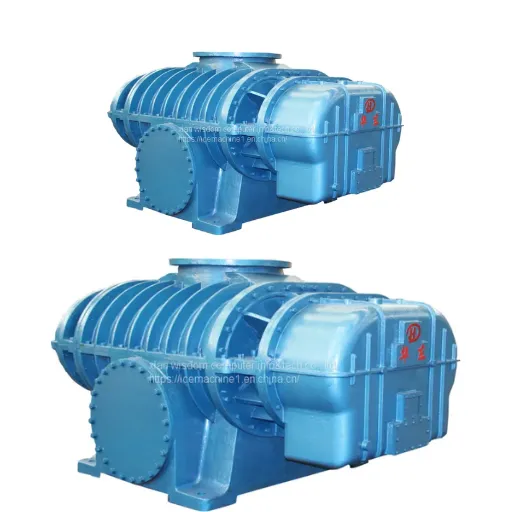
The medium and environment decide the material and construction requirements. Confirm these with the supplier and request the relevant documentation.
Housing material and thickness, matched to the medium and pressure class.
Impeller type and material, chosen for the flow, pressure, and any abrasive or corrosive content.
Shaft seals and bearings, suited to the operating temperature and contamination risk.
Corrosion protection, surface treatment, or coating where the environment requires it.
Drain or inspection openings where condensation or buildup is expected.
Don't assume that a general-purpose blower suits a specialized duty. Material compatibility is model-specific and should be confirmed from the datasheet and any applicable documentation.
Step 6: Compare documented model information
Once the application, site, and electrical details are clear, compare candidate models using their current documentation. This is where a structured comparison prevents most selection errors.
Which specifications to compare
Build a like-for-like comparison. Compare each model under the same operating conditions, and don't compare a peak figure from one datasheet with a continuous figure from another.
| Specification | What to confirm |
|---|---|
| Model number | Exact model and document version |
| Airflow | Required flow at the operating point |
| Static pressure | Required pressure and the stated conditions |
| Fan curve | Stable operating range and recommended selection point |
| Motor power | Rated input, voltage, frequency, and phase |
| Dimensions | External size, connections, and clearances |
| Materials | Housing, impeller, seals, and bearings |
| Sound data | Rated sound level, if noise matters |
| Documentation | Datasheet, manual, installation guide |
A comparison table is only as useful as its source. State the document version and the operating conditions for each figure. If a specification is missing, request it instead of assuming.
Request the current documentation
Ask the supplier for the datasheet, performance curve, operating manual, installation guide, and any test or inspection documentation that applies to the model under consideration. Confirm the document version and the model scope.
A procurement officer named Tomas received three quotations for the same blower duty. The lowest price looked attractive until he compared the supporting documents.
One quotation named a specific model with a datasheet and fan curve. Another described only a product category with no model number. Tomas requested the missing documentation and confirmed the voltage, medium, and ducting conditions for his site. The cheapest option was not the one that matched his requirements.
When you are ready to compare options, request the current documentation for the models under consideration, so airflow, pressure, and operating conditions can be checked like for like.
Step 7: Confirm commercial and support information
Technical fit is necessary, but the commercial and support picture matters too. Confirm these items in writing.
Quotation, lead time, and minimum order quantity
Ask for a quotation that names the model, quantity, applicable units, and conditions. Confirm the lead time and the minimum order quantity (MOQ), and state what each price covers. Request that commercial terms are tied to the relevant model and order conditions rather than to a broad category.
Payment, shipping, and delivery
Confirm the payment terms, delivery basis, and shipping arrangement for the order. Ask what the quoted price includes, such as packaging, export documentation, or destination-country compliance documents.
Warranty, after-sales support, and parts
Ask which warranty terms apply, what the support process covers, and which spare parts and manuals are available. Confirm these for the selected model and destination market. XiAn Wisdom Computer Info&tech Co., Ltd states that after-sales support is central to its service approach, but coverage and response details still need written confirmation for the specific order.
Destination-market and compliance requirements
Confirm the electrical, safety, and environmental requirements for the destination country. Fan and motor performance data is often referenced against standards published by bodies such as AMCA and ASHRAE, so ask which standards apply to the selected model and request the applicable documentation.
What should you confirm before selecting a centrifugal blower?
Confirm six things: the application and medium, the required airflow, the required static pressure, the site and electrical conditions, the materials and construction, and the current documentation for each candidate model. Verify the selected model's datasheet and fan curve under the same operating conditions you plan to use before you request a quotation.
Common centrifugal blower selection mistakes
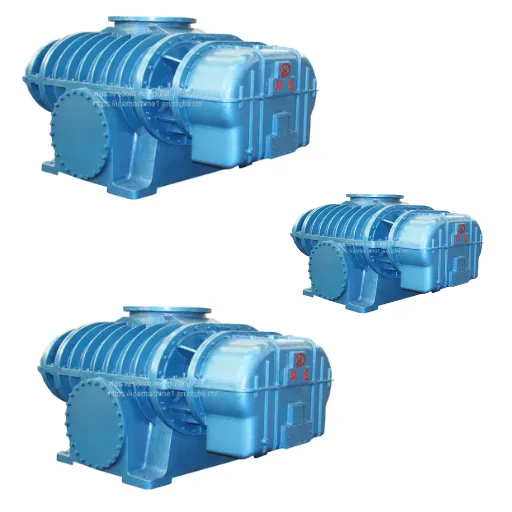
Most selection errors trace back to a few habits:
Choosing by motor power or price alone without defining airflow and static pressure.
Comparing ratings from different documents or operating conditions.
Ignoring air density, temperature, or altitude effects on delivered flow.
Assuming a general-purpose blower suits a dusty or corrosive medium.
Leaving ducting, inlet, and outlet conditions unplanned until delivery.
Ordering without confirming the current datasheet and fan curve.
A structured checklist prevents most of these errors. Define the application, set the airflow and pressure, verify the site and power, confirm materials, compare documented data, and plan installation and support. That is the whole process in one line.
Conclusion
Priya's dust line and Tomas's quotation comparison both point to the same lesson: centrifugal blower selection works best when it starts with the application and ends with verified information. The airflow and pressure the system demands, the medium, the site, the power supply, and the documentation for each model all belong in the decision before a quotation is requested.
Before you request a quotation, prepare six items:
The application and the medium being moved.
The required airflow at the operating condition.
The required static pressure and system resistance.
The site, installation, and electrical conditions.
The materials and construction required for the duty.
The current documentation for each candidate model.
Then confirm the selected model's fan curve, materials, and operating conditions with the supplier.
If you're selecting a centrifugal blower for a ventilation, process, material-handling, or extraction duty, discuss your airflow, pressure, medium, and site requirements and request a quotation so the model can be checked against your operating conditions.
Confirming those details before you order saves time, avoids installation surprises, and gives you a sound basis for comparing offers.
Recently Posted
-
How to choose a surge protection device
August 13, 2026Nadia manages a food-processing plant. After an electrical storm, the control board on her packaging line stopped responding. The Read More
 -
Diesel Generator Sizing Guide: How to Choose the Right Set
August 13, 2026Marta manages a cold-storage facility that loses product every time the grid supply drops. When the operations team bought a backu Read More
 -
Diesel Generator Maintenance Guide: What to Check and When
August 13, 2026A diesel generator set fails when it is needed most, and rarely by accident. The standby set in the engine room has seen no servic Read More
 -
Frequency Power Supply Selection: How to Choose the Right Equipment
August 13, 2026Marek runs an equipment-testing lab that recently took on three-phase units rated for 60 Hz. His site is supplied at 50 Hz, so the Read More

Contact Us
Recommended Products
-
 Large Capacity Ceiling Mounted Space Saving Indoor Pool DehumidifierNegotiableMOQ: 1 Piece
 -
Commercial Home Use Bathroom Dehumidification Swimming Pool Ceiling Mounted Mini DehumidifierNegotiableMOQ: 1 Piece
-
Greenhouse Grow Room Industrial Ceiling Mounted Duct Indoor Pool DehumidifierNegotiableMOQ: 1 Piece
-
Duokai OEM Indoor Dehumidifier Portable Swimming Pool Dehumidifier in Stock With CENegotiableMOQ: 1 Piece
-
High Quality Low Voltage ODM & OEM PLC Distribution CabinetNegotiableMOQ: 1 Set
-
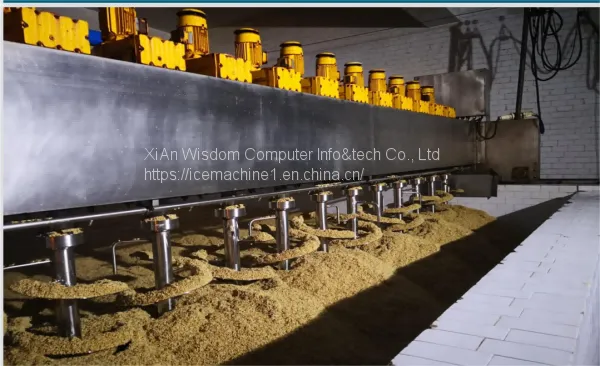
Saladin Type Malt Production LineNegotiableMOQ: 1 Set
-
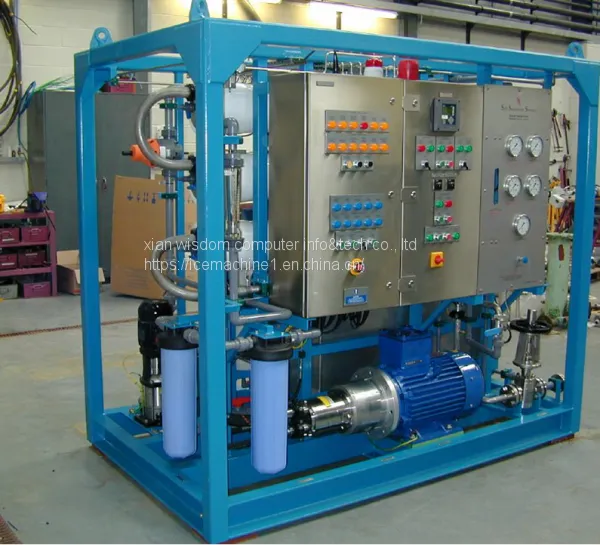
Seawater Desalination SystemUS$ 2000 - 1000000MOQ: 1 Set
-
High Speed Synthetic Lane Bowling Ball ReturnUS$ 50 - 2000MOQ: 10 Pieces
-
Reliable Automatic Six Axis Industrial Packing Robot With Self Diagnostic SystemNegotiableMOQ: 1 Piece
-
Multi-Travel Radius Six Axis Servo Robot for Custom Automation WorkstationNegotiableMOQ: 1 Piece

-
Labor Saving 6 Axis Industrial Robot Boost Workshop Production EfficiencyNegotiableMOQ: 1 Piece
-
Factory Direct Wholesale Carton Palletizer Packing Line Robot for MilkNegotiableMOQ: 1 Piece
-
Six-Axis Industrial Robotic Arm for Handling Welding Loading UnloadingNegotiableMOQ: 1 Piece
-
High-Automation High-Precision Six-Axis Metal Laser Industrial Welding RobotNegotiableMOQ: 1 Piece
-
Six-Axis Automatic Industrial Welding Robot Arm With Competitive PriceNegotiableMOQ: 1 Piece