
 Business License

How to choose a surge protection device
Nadia manages a food-processing plant. After an electrical storm, the control board on her packaging line stopped responding. The main switchboard had fuses, and nothing upstream appeared damaged. Yet the sensitive control electronics were dead.
The fault was not a fuse problem. It was a transient overvoltage that reached the equipment. A circuit breaker is designed for overcurrent, not for a short, high-energy voltage spike.
That experience is common. Equipment damage after a storm or a grid event is often caused by a surge that the ordinary protection devices were never designed to stop.
A surge protection device is the equipment category that addresses this problem. Choosing one starts with the electrical system and the equipment to protect, not with a single product claim. This guide covers the application, the electrical information to prepare, the documented specifications to compare, the installation conditions to check, and the commercial details to confirm.
By the end, you'll have a checklist you can use before you request a quotation, and you'll know which documents to ask for.
What surge protection device selection involves
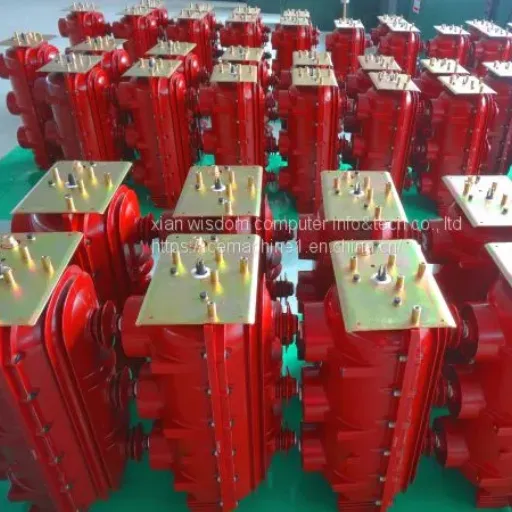
A surge protection device (SPD) limits transient overvoltages and diverts surge current away from the equipment it protects. It does not replace a circuit breaker or an earth-leakage device. Those protect against overcurrent and earth faults. An SPD protects against short, high-energy voltage transients.
Transients come from several sources:
Lightning activity, including direct strikes to the structure or to nearby lines.
Switching operations, such as motors, capacitor banks, and large loads starting and stopping.
Grid disturbances and faults on the distribution network.
Standards help buyers compare devices on a common basis. The International Electrotechnical Commission (IEC) publishes the 61643 series for surge protective devices connected to low-voltage power systems. In North America, UL 1449 covers surge protective devices.
The Institute of Electrical and Electronics Engineers (IEEE) also publishes surge-protection guidance. Confirming which standard applies to your market is part of the selection process.
SPDs are often arranged in a cascade. A common approach is:
A main SPD at the service entrance or main distribution board.
Additional SPDs at sub-distribution boards.
A final SPD close to sensitive equipment.
The type required at each location depends on the standard and the electrical design. In the IEC 61643 approach, SPDs are grouped as Type 1, Type 2, and Type 3 for different installation locations and surge exposures. The older Class B, C, and D labels describe similar positions. Confirm the correct type for your installation against the applicable standard rather than assuming one device fits every location.
If you are starting a surge protection enquiry, the practical first step is to write down the equipment you need to protect and the electrical information at the installation point. You can then request the current documentation for the category you are evaluating.
Step 1: Define the application and the equipment to protect
Selection starts with what the SPD must protect and where it will sit in the installation.
What is at risk?
Write down the equipment that needs protection and its location. The requirement for a control panel in an office differs from the requirement for a motor starter in a plant or a server room in a facility.
Prepare these details:
The equipment, panel, or circuit to protect.
The location in the electrical installation, such as the main board, a sub-distribution board, or the equipment itself.
Whether the building or site has an external lightning protection system.
The operational importance of the equipment, including the downtime and replacement cost of a failure.
One device or several?
A single SPD at the service entrance may not protect sensitive equipment at the far end of the installation. The distance between the SPD and the protected equipment affects how much of the transient reaches the load. This is one reason buyers plan protection at multiple levels. Confirm the appropriate arrangement with the electrical design and the model documentation.
A controls engineer named Amir was asked to protect a packaging line that had already lost one programmable logic controller (PLC) to a grid switching event. He installed a single Type 2 SPD at the main board. When a second event occurred, the PLC still failed. The lead length and the distance from the SPD to the PLC were large enough that the let-through voltage at the load stayed high.
Amir added a second SPD near the control cabinet and shortened the connections. The protection improved because the arrangement matched the installation.
Step 2: Gather the electrical system information
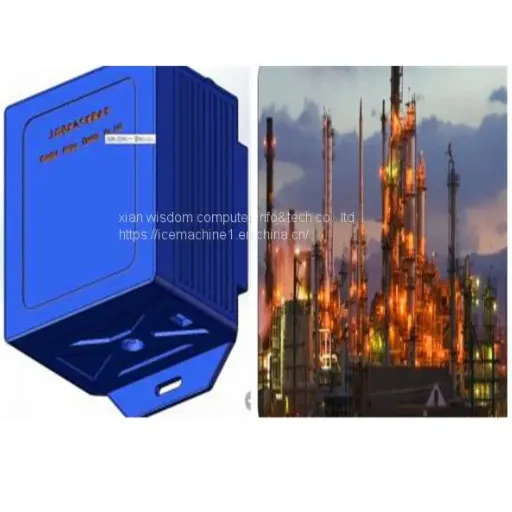
An SPD is selected for a specific electrical system. Before comparing models, collect the electrical information at the installation point.
System voltage, phase, and frequency
Confirm the nominal system voltage, the number of phases, and the frequency. For example, a three-phase system might be supplied at 400 V / 50 Hz, while another market uses 480 V / 60 Hz. State the exact values in the enquiry. Voltage and frequency affect equipment compatibility and are among the first items a supplier will need to check.
Earthing and system configuration
Confirm the earthing system in use. IEC terminology describes common configurations such as TN, TT, and IT. The earthing arrangement affects the protection modes the SPD must provide. Confirm the configuration from the site documentation or an electrical survey rather than assuming a standard arrangement.
Short-circuit current at the installation point
SPDs are installed with protective devices, such as fuses or circuit breakers, and the assembly must withstand the available short-circuit current at the installation point. Confirm the prospective short-circuit current and the maximum short-circuit current rating of the candidate model.
Installation location and surge exposure
Confirm where the SPD will be installed and the surge exposure. A service-entrance location exposed to lightning risk differs from a well-protected sub-distribution board. The documented type and rating should match the location.
| Electrical information | What to confirm |
|---|---|
| System voltage | Nominal voltage and tolerance |
| Phase configuration | Single phase or three phase |
| Frequency | 50 Hz, 60 Hz, or other |
| Earthing system | TN, TT, IT, or local configuration |
| Short-circuit current | Available current at the installation point |
| Installation location | Service entrance, sub-distribution, or equipment level |
| Lightning protection | Presence and design of any external lightning protection |
Step 3: Compare documented model specifications
Once the electrical information is defined, compare candidate models using their current documentation. This is where most buyers save time and avoid mistakes.
Understanding the key ratings
An SPD datasheet lists ratings that describe how the device behaves. Confirm each figure and the conditions under which it applies:
Maximum continuous operating voltage (Uc) is the highest voltage the SPD can be connected to continuously. It must be compatible with the system voltage and its tolerances.
Voltage protection level (Upr) is the voltage level to which the SPD clamps the transient. The protected equipment should withstand this level when the SPD is correctly installed.
Nominal discharge current (In) is the value used to classify and test the SPD under a defined waveform.
Maximum discharge current (Imax) is the peak current the SPD can withstand without failure under the test conditions.
These terms appear in different forms in different markets. Confirm which terms the applicable standard uses and what each figure means for the installation.
Which specifications to compare
Build a like-for-like comparison from the same document version and under the same operating conditions.
| Specification | What to confirm |
|---|---|
| Model number | Exact model and document version |
| Type or class | Type 1, 2, or 3, or the applicable class |
| Maximum continuous operating voltage (Uc) | Compatibility with the system voltage and tolerances |
| Voltage protection level (Upr) | The let-through voltage the equipment will see |
| Nominal discharge current (In) | The rating used for testing and classification |
| Maximum discharge current (Imax) | The peak current the SPD can handle |
| Short-circuit rating | Withstand against the available short-circuit current |
| Protection modes | Which phase-to-earth and neutral-to-earth paths are covered |
| Standards | The standard the model is tested against |
| End-of-life indication | How a depleted unit signals replacement |
A comparison table is only as useful as its source. State the document version and the conditions for each figure. If a specification is missing, request it instead of assuming. Do not infer a rating from a product category or another model.
Request the current documentation
Ask the supplier for the datasheet, the installation and wiring guide, the manual, and any test or compliance documentation that applies to the model under consideration. Confirm the document version and the model scope. When you have the documentation, compare the models against the electrical information you collected in Step 2.
Step 4: Check installation and site conditions
A technically correct SPD can still perform poorly if the installation is wrong.
Distance and lead length
The protective effect depends on the distance between the SPD and the equipment. Long leads add inductance, which raises the let-through voltage at the load. Confirm the recommended connection arrangement and keep the SPD connections as short as practical.
Earthing and connections
Confirm the earthing and connection requirements from the model documentation. Correct earthing is essential for the SPD to divert surge current away from the equipment. The quality of the earth connection affects the protection the equipment actually receives.
Coordination between SPDs
When several SPDs are installed in cascade, they should be coordinated so that each unit operates in sequence and no single unit absorbs the full surge. Confirm the recommended arrangement and any required distance or impedance between units.
Environment and enclosure
Confirm the ambient temperature, humidity, and enclosure requirements. Indoor and outdoor ratings differ, and the installation location must match the model's environmental rating. An SPD installed outdoors or in a damp enclosure needs a rating that covers those conditions.
Safety note: Work on electrical equipment should be carried out by qualified personnel and must follow the applicable electrical safety standards and regulations for the site and destination market.
Maintenance and end of life
SPDs have a finite working life. They operate by diverting surge current, and each operation ages the unit. Confirm how the model signals end of life, such as a status indicator, and what the replacement procedure involves. Plan scheduled inspection and replacement as part of the maintenance routine, and record the SPD status during regular electrical checks.
Step 5: Confirm commercial and support information
Technical fit is necessary, but the commercial and support picture matters just as much.
A procurement officer named Elena received three quotations for a site with repeated surge damage to a batching system. The lowest price named only a product category. The second named a model with a datasheet and a standards declaration. The third matched her electrical information but had no installation documentation.
Elena requested the missing documents and confirmed the earthing configuration for her site. The cheapest option was not the one that matched her requirements.
Quotation, lead time, and minimum order quantity
Ask for a quotation that names the model, quantity, applicable units, and conditions. Confirm the lead time and the minimum order quantity (MOQ), and state what each price covers. Request that commercial terms are tied to the relevant model and order conditions rather than to a broad category.
Payment, shipping, and delivery
Confirm the payment terms, delivery basis, and shipping arrangement for the order. Ask what the quoted price includes, such as packaging, export documentation, or destination-country compliance documents. Delivery times and commercial conditions are order-specific, so confirm them in writing for the model and quantity you plan to order.
Warranty, after-sales support, and parts
Ask which warranty terms apply, what the support process covers, and which spare parts are available. Confirm these for the selected model and destination market.
XiAn Wisdom Computer Info&tech Co., Ltd includes surge protection devices among its stated industrial and electromechanical product categories, and it states that after-sales support is central to its service approach. Availability, specifications, and support terms require confirmation for each enquiry. Public claims about coverage or response times still need approved service terms. Request written clarification for your specific order.
Destination-market and compliance requirements
Confirm the electrical, safety, and compliance requirements for the destination country. Standards bodies such as IEC, IEEE, and UL publish standards and guidance that buyers and suppliers reference. Confirm which standards apply to your market and request the applicable documentation for the selected model.
Surge protection device selection mistakes to avoid
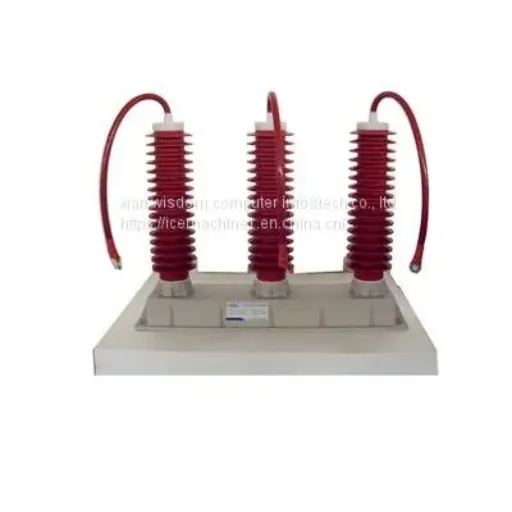
Most selection errors trace back to the same habits:
Choosing a device before defining the electrical system and earthing configuration.
Confusing an SPD with a circuit breaker or an earth-leakage device.
Assuming one main SPD protects equipment at the far end of the installation.
Comparing models without checking the document version or operating conditions.
Ignoring lead length, earthing, and coordination between devices.
Ordering without confirming the datasheet, installation guide, and compliance documentation.
A structured checklist prevents most of these errors. Define the application, gather the electrical information, compare documented models, check installation, and confirm commercial terms. That is the whole process in one line.
What electrical information is needed for a surge protection device?
To select a surge protection device, confirm the system voltage, phase configuration, frequency, earthing system, short-circuit current at the installation point, and the installation location. Compare the current documentation for candidate models under the same operating conditions, and request the datasheet, installation guide, and any applicable compliance documentation before ordering.
Conclusion
Nadia's plant added surge protection at the main board and at the control cabinet, and the maintenance team now records SPD status during scheduled inspections. The next storm event caused no control-board failure. The change was not a more expensive product; it was a selection process matched to the electrical system and the installation.
Choosing a surge protection device works best when it starts with the electrical system and ends with verified information.
Before you request a quotation, prepare six items:
The equipment to protect and its location.
The system voltage, phase, frequency, and earthing configuration.
The short-circuit current at the installation point.
The documented specifications for each candidate model.
The installation and maintenance conditions.
The commercial, support, and compliance terms.
Then confirm the selected model's current documentation with the supplier.
If you are evaluating surge protection for a facility, discuss your application requirements and request the current product documentation so the model can be checked against your electrical system.
Confirming those details before you order reduces the risk of equipment damage and gives you a sound basis for comparing offers.
Recently Posted
-
Diesel Generator Sizing Guide: How to Choose the Right Set
August 13, 2026Marta manages a cold-storage facility that loses product every time the grid supply drops. When the operations team bought a backu Read More
 -
Diesel Generator Maintenance Guide: What to Check and When
August 13, 2026A diesel generator set fails when it is needed most, and rarely by accident. The standby set in the engine room has seen no servic Read More
 -
Frequency Power Supply Selection: How to Choose the Right Equipment
August 13, 2026Marek runs an equipment-testing lab that recently took on three-phase units rated for 60 Hz. His site is supplied at 50 Hz, so the Read More
 -
Pump Flow and Head Requirements: A Buyer's Guide
August 13, 2026When Daniel's team replaced a process pump last spring, they ordered against a catalogue number and skipped the specification Read More

Contact Us
Recommended Products
-
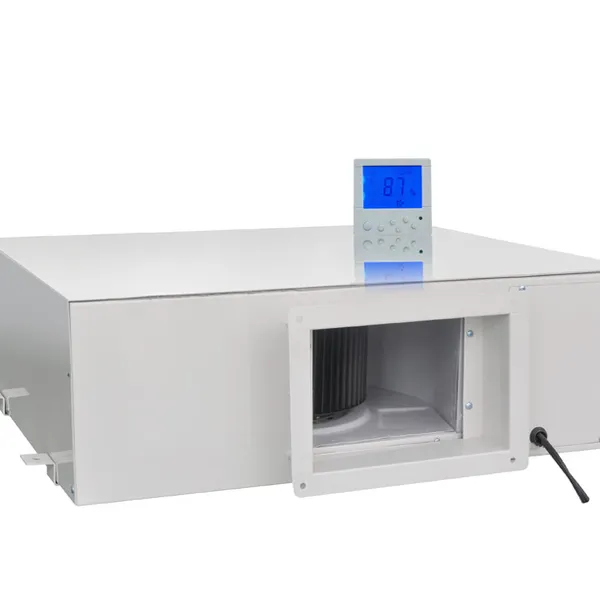
 Large Capacity Ceiling Mounted Space Saving Indoor Pool DehumidifierNegotiableMOQ: 1 Piece
 -
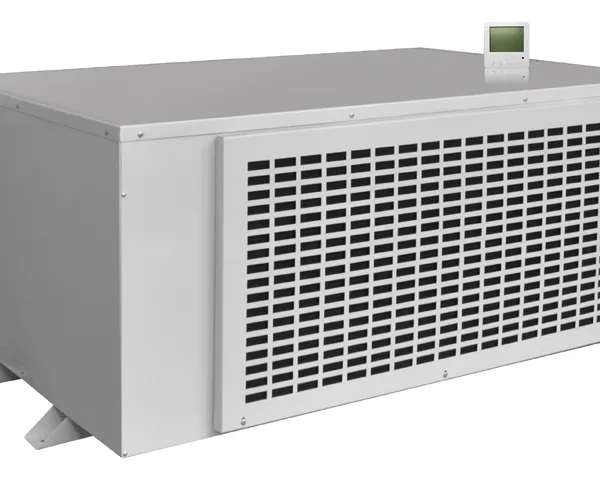
Commercial Home Use Bathroom Dehumidification Swimming Pool Ceiling Mounted Mini DehumidifierNegotiableMOQ: 1 Piece
-
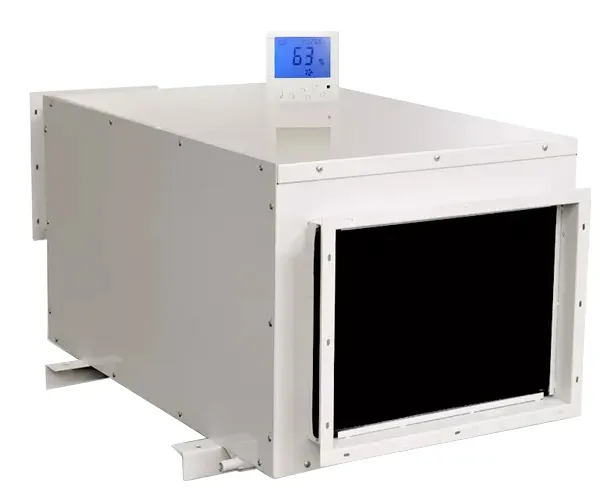
Greenhouse Grow Room Industrial Ceiling Mounted Duct Indoor Pool DehumidifierNegotiableMOQ: 1 Piece
-
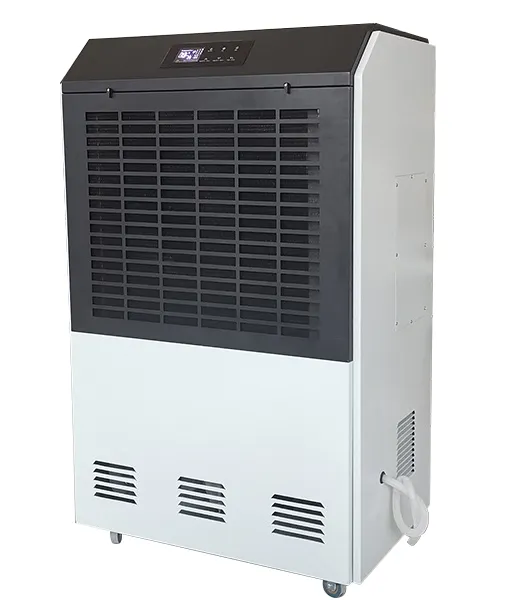
Duokai OEM Indoor Dehumidifier Portable Swimming Pool Dehumidifier in Stock With CENegotiableMOQ: 1 Piece
-
High Quality Low Voltage ODM & OEM PLC Distribution CabinetNegotiableMOQ: 1 Set
-
Saladin Type Malt Production LineNegotiableMOQ: 1 Set
-
Seawater Desalination SystemUS$ 2000 - 1000000MOQ: 1 Set
-
High Speed Synthetic Lane Bowling Ball ReturnUS$ 50 - 2000MOQ: 10 Pieces
-
Reliable Automatic Six Axis Industrial Packing Robot With Self Diagnostic SystemNegotiableMOQ: 1 Piece
-
Multi-Travel Radius Six Axis Servo Robot for Custom Automation WorkstationNegotiableMOQ: 1 Piece

-
Labor Saving 6 Axis Industrial Robot Boost Workshop Production EfficiencyNegotiableMOQ: 1 Piece
-
Factory Direct Wholesale Carton Palletizer Packing Line Robot for MilkNegotiableMOQ: 1 Piece
-
Six-Axis Industrial Robotic Arm for Handling Welding Loading UnloadingNegotiableMOQ: 1 Piece
-
High-Automation High-Precision Six-Axis Metal Laser Industrial Welding RobotNegotiableMOQ: 1 Piece
-
Six-Axis Automatic Industrial Welding Robot Arm With Competitive PriceNegotiableMOQ: 1 Piece