
 Business License

Industrial equipment quotation checklist for B2B buyers
Two quotations arrive for the same equipment category. One is 15% cheaper. Six weeks later, the "cheaper" machine is sitting in a warehouse because commissioning, spare parts, and the right electrical configuration were never in scope. This is what happens when buyers compare prices instead of comparing quotations, and it is exactly the problem an industrial equipment quotation checklist is designed to prevent.
If you source industrial, refrigeration, or electromechanical equipment internationally, you already know that a quotation is more than a price. It is a commercial and technical document that defines exactly what you will receive, when, and under what terms. A weak enquiry produces a weak quotation, and a weak comparison produces a bad purchase.
This guide gives you a complete industrial equipment quotation checklist. You will learn what to prepare before contacting suppliers, what a complete quotation must contain, how to compare offers like-for-like, and which red flags to check before you commit. Every step follows one principle: decisions should be based on documented, model-specific information, not on a number at the bottom of a page.
What should an industrial equipment quotation include?
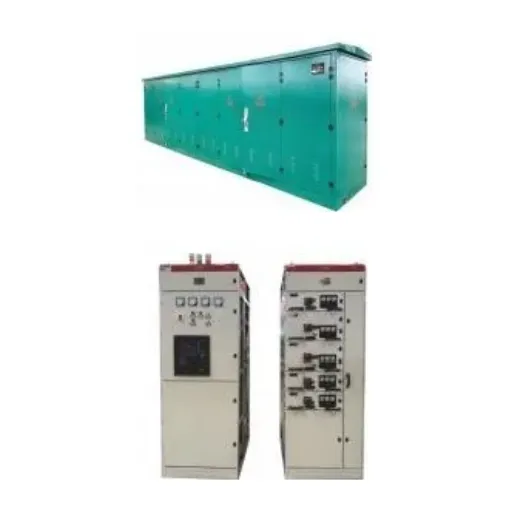
An industrial equipment quotation should identify the exact model, specification, and scope of supply. It should also state price and currency, payment terms, lead time and delivery terms (including the Incoterm), validity period, warranty and after-sales terms, and applicable documentation. Compare quotations only when these elements are stated in writing for each offer.
Prepare your requirements before requesting a quotation
Suppliers can only quote accurately against the information you give them. A vague enquiry gets a generic quotation, and generic quotations hide the differences that matter. Before you contact any supplier with a request for quotation (RFQ), document the following equipment quotation requirements.
Technical information
Equipment category and application: State what the equipment must do, in what process, and under what duty cycle. "A pump" is not a requirement; "a pump for this fluid, flow rate, and head" is.
Capacity and operating conditions: Include output requirements, ambient temperature, operating environment, and any conditions that affect performance ratings.
Utilities and installation: Record the available voltage, frequency, and phase, plus space, water, drainage, or ventilation constraints where relevant.
Destination market: State the destination country, because it determines electrical configuration, documentation language, and compliance requirements.
Commercial information
Quantity and delivery destination: Quantities affect price, and the delivery port or address affects logistics cost.
Target timeline: If you have a project deadline, say so. Lead time is part of the decision.
Evaluation criteria: If your organization weighs price against warranty, documentation quality, or service scope, define those weights before offers arrive.
Here is an illustrative example. A maintenance manager we will call Tomasz needed a replacement blower for a production line. His first enquiry mentioned airflow but not the electrical supply.
Three quotations came back for machines configured for a different voltage and frequency than his facility used. Correcting the enquiries cost three weeks, and the line ran on a temporary fix the whole time. A one-page requirements sheet would have prevented all of it.
Note: Timelines and price differences in this article are illustrative. Your own requirements and supplier documentation determine what applies to your purchase.
If you want a supplier to respond to a structured enquiry, prepare this information and then discuss your application requirements before asking for a price.
The industrial equipment quotation checklist
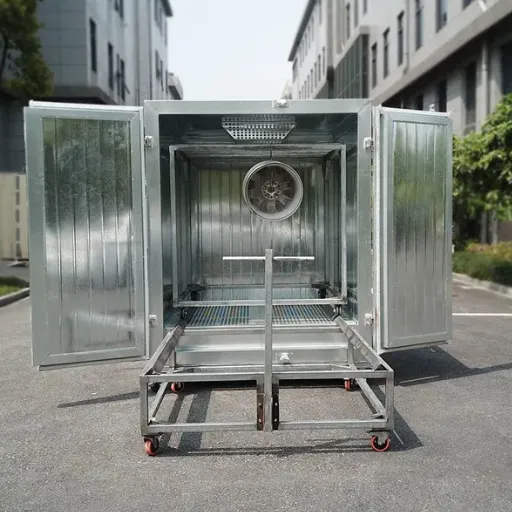
When quotations arrive, check each one against the following list. A quotation that cannot answer these points in writing is not ready for comparison.
1. Supplier and model identification
Supplier legal name, address, and contact details
Exact model number and product name, not just a category label
Document date and quotation reference number
2. Technical specification
Capacity or output rating, with the operating conditions behind the rating
Electrical requirements: voltage, frequency, phase, and rated power
Dimensions, weight, and installation requirements
Materials and key components relevant to your application
Reference to a technical datasheet, with its version or date
3. Scope of supply
What the price includes: accessories, spare parts kits, tools, manuals, commissioning, and training
What the price excludes: installation materials, site work, or consumables
Packaging type and export packing arrangements where relevant
4. Commercial terms
Unit price, total price, and currency
Payment terms and accepted payment methods
Minimum order quantity (MOQ) where applicable
Quotation validity period
5. Delivery terms
Production lead time and estimated shipment timing
Delivery terms stated as a specific Incoterm, such as EXW, FOB, or CIF, with the named place
Who arranges and pays for freight, insurance, and destination charges under that term
Incoterms define which party bears costs and risks at each stage of delivery. The International Chamber of Commerce publishes and maintains these rules; see iccwbo.org for the current Incoterms framework. A quotation that says only "shipping extra" leaves the most important logistics questions unanswered.
6. Documentation and compliance
Product documentation available: technical datasheet, manual, wiring or installation information
Compliance documents applicable to your destination market, confirmed for the specific model
Document language and format
Where a supplier references a standard, confirm the exact designation and edition. The International Organization for Standardization publishes widely used management and technical standards; the catalogue at iso.org helps you check what a cited standard actually covers. Do not treat a general claim of standards compliance as evidence for a specific model.
7. Warranty and after-sales support
Written warranty terms: duration, coverage, and exclusions
After-sales process: how technical questions, parts requests, and claims are handled
Availability of spare parts and manuals for your market
Use this industrial equipment quotation checklist as a scoring sheet. Give each supplier's response a simple yes, partial, or no against every line. The gaps become your follow-up questions, and the completed sheets make your internal approval conversation much easier.
Compare industrial equipment quotations like-for-like
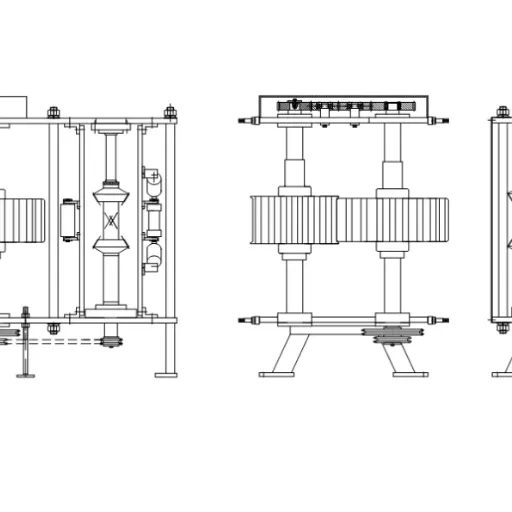
Price comparisons are only valid when scope, specification, and terms are aligned. This is where the industrial equipment quotation checklist earns its keep: two offers that look far apart can converge once you normalize what is actually included.
Build a comparison table
Create a simple table with one row per checklist item and one column per supplier. Fill every cell from the written quotation, not from memory or a sales call. Where a quotation is silent on an item, mark it as "not stated" and request written confirmation.
| Comparison area | What to align before comparing price |
|---|---|
| Model and specification | Same model or genuinely equivalent documented specification |
| Scope of supply | Same accessories, spares, commissioning, and training |
| Delivery terms | Same Incoterm and named place |
| Payment terms | Same payment structure and timing |
| Lead time | Comparable production and shipment timing |
| Warranty and support | Same coverage period and service scope |
Returning to our illustrative thread, a procurement officer we will call Elena compared two quotations for a water-circulation pump. Offer A was 15% cheaper.
Her comparison table showed that Offer A excluded the spare seal kit, used EXW terms against the other offer's CIF, and carried a six-month warranty against two years. Once she added freight, insurance, spares, and the warranty difference, Offer A was the more expensive choice. The checklist turned a misleading price gap into a clear decision.
Weight the decision criteria
Not every factor matters equally for every purchase. A machine critical to continuous production justifies more weight on warranty and parts availability. A one-off project purchase may weigh delivery time more heavily. Define the weights with your team before you score the offers, so the decision reflects your priorities rather than the supplier's formatting.
Adjust the checklist for your equipment category
The core checklist stays the same across categories, but the technical section should reflect what you are buying. A refrigeration equipment enquiry should state the required temperature range, ambient conditions, and refrigerant-related documentation needs. A pump enquiry should define the fluid, flow rate, head, and materials. Electrical equipment enquiries should lead with voltage, frequency, and the standards that apply in your market.
Category-specific detail is what turns a generic quotation into a decision-ready document. If you are not sure which technical points apply to your category, an equipment selection checklist is a practical place to start.
Ready to structure your comparison? Prepare your requirement sheet, then request a quotation that answers every line of the checklist in writing.
Watch for these red flags in equipment quotations
Experience across many equipment categories shows the same warning signs, and every industrial equipment quotation checklist should make them explicit. Treat any of the following as a prompt for written clarification, not as a reason to assume the best:
No model number or a category-only description. Without an exact model, the specification cannot be verified.
Performance figures without operating conditions. A capacity rating without stated conditions is not comparable to anything.
No Incoterm or named place. Delivery cost and risk allocation remain undefined.
No validity period. Prices and terms can change before you finish internal approval.
Vague warranty language. "Standard warranty" means nothing until the coverage, duration, and exclusions are written down.
Missing documentation commitments. If manuals, datasheets, and compliance documents are not listed, ask for them explicitly.
Unusually short lead times without explanation. Confirm whether the offer refers to production time, shipment time, or existing stock, and verify availability claims in writing.
In our third illustrative example, a distributor we will call Amina received a quotation that looked complete but stated no validity period. Her internal approval took five weeks, and when she returned to confirm the order, the supplier's price had risen by 8% with the new month.
Because nothing in writing fixed the terms, she had no basis to hold the original figure. Since then, her team will not route a quotation for approval unless validity, Incoterm, and scope are all stated. A simple checklist item protected every purchase after that.
Confirm support and destination-market details
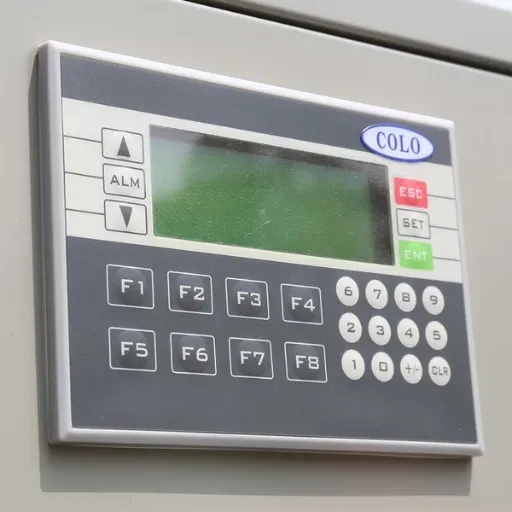
Technical fit and price are only part of the decision. Before you finalize, confirm the commercial and support terms in writing for the specific model and order:
After-sales scope: Which manuals, parts information, and support processes apply to your model and market.
Spare parts supply: Which wear parts are available, expected lead times, and how to order them.
Destination-market suitability: Electrical configuration, documentation language, and applicable compliance requirements for your country. Import duties, documentation rules, and market-access requirements differ by destination; official trade portals such as the United States trade.gov country resources are a useful starting point for your own market checks.
Quality documentation: Which inspection or quality records can be provided for the specific order.
Suppliers that work with international buyers, including XiAn Wisdom Computer Info&tech Co., Ltd, typically expect this kind of structured enquiry. The company lists industrial equipment categories across refrigeration, electromechanical, and water-treatment equipment, and states that quality management and after-sales support are central to its service approach. As with any supplier, confirm model availability, specifications, and service terms from current documentation before ordering. If you need background on the documents themselves, a technical documentation guide can help you structure those requests.
Conclusion: checklist first, decision second
A disciplined quotation process removes most of the risk from industrial equipment purchasing. Keep these takeaways in mind:
Prepare before you enquire. Document your application, technical requirements, utilities, destination, and timeline so every supplier quotes against the same facts.
Use the full checklist. Model identification, specification, scope of supply, commercial terms, delivery terms, documentation, and warranty all belong in writing.
Compare like-for-like. Normalize scope, Incoterms, payment terms, and warranty before you compare prices.
Treat gaps as red flags. A missing model number, validity period, or delivery term is a follow-up question, not a detail to overlook.
Confirm support in writing. Warranty coverage, spare parts, and destination-market documentation decide the real long-term cost.
Your next step is practical: turn this industrial equipment quotation checklist into a one-page requirement sheet for your current purchase, then send it to your shortlisted suppliers.
Submit your equipment requirements or request a quotation →
A structured enquiry gets you comparable offers, fewer surprises, and equipment that matches your application. Build the checklist into your process once, and every future purchase gets easier.
Recently Posted
-
How to request a technical quotation for industrial equipment
August 17, 2026A purchasing assistant sends a one-line email to five suppliers: "Please quote your best price for a water pump." Two we Read More
 -
Custom mold drawing and tolerance requirements for buyers
August 17, 2026A custom mold arrives after eight weeks of tooling work. The first trial parts come off the press, and the snap-fit housing will n Read More
 -
What Information Is Needed for a PVC Molding Machine Enquiry
August 17, 2026A buyer who sends a PVC molding machine enquiry without the right technical details often receives quotes that cannot be compared Read More
 -
Power supply documentation checklist for industrial buyers
August 17, 2026Last March, Elena Vasquez received a shipment of frequency power supplies for a new cold-storage line. Elena is a procurement mana Read More

Contact Us
Recommended Products
-
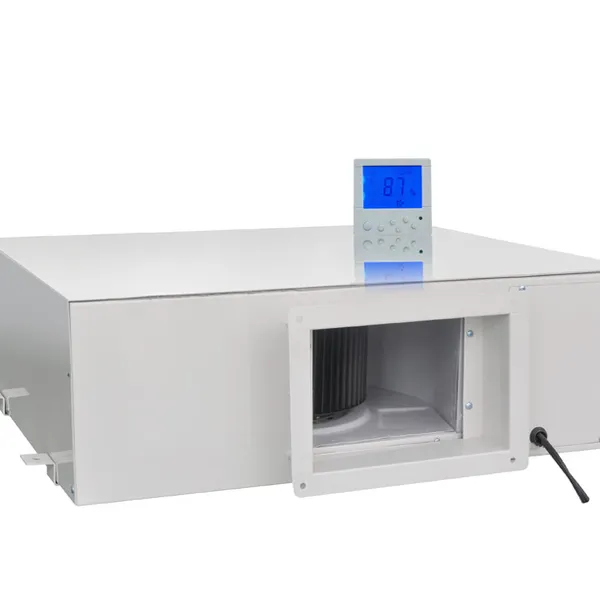
 Large Capacity Ceiling Mounted Space Saving Indoor Pool DehumidifierNegotiableMOQ: 1 Piece
 -
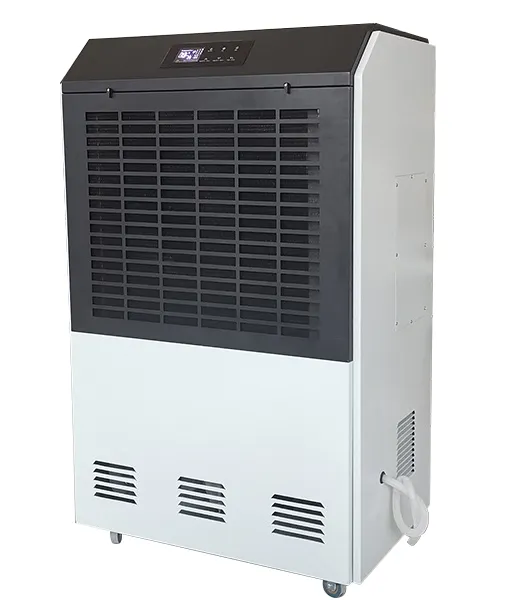
Commercial Home Use Bathroom Dehumidification Swimming Pool Ceiling Mounted Mini DehumidifierNegotiableMOQ: 1 Piece
-
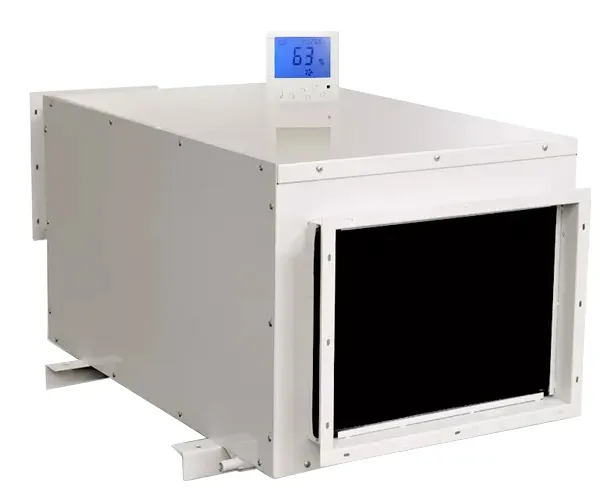
Greenhouse Grow Room Industrial Ceiling Mounted Duct Indoor Pool DehumidifierNegotiableMOQ: 1 Piece
-
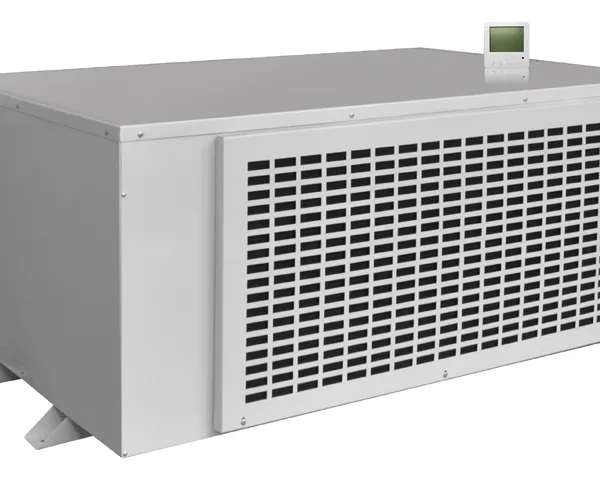
Duokai OEM Indoor Dehumidifier Portable Swimming Pool Dehumidifier in Stock With CENegotiableMOQ: 1 Piece
-
High Quality Low Voltage ODM & OEM PLC Distribution CabinetNegotiableMOQ: 1 Set

-
Amy Autonomous Food Delivery Service Robot for Food Service in Hotels, Restaurants, and Commercial VenuesNegotiableMOQ: 1 Piece
-
6-Axis Automated Arc Welding Workstation for Steel Structure FabricationNegotiableMOQ: 1 Piece
-
Intelligent Inter-Row Weeding Robot Mower for Precision Agricultural CultivationNegotiableMOQ: 1 Piece
-
100kg Capacity Tumble DryerNegotiableMOQ: 2 Sets
-
Saladin Type Malt Production LineNegotiableMOQ: 1 Set
-
Seawater Desalination SystemUS$ 2000 - 1000000MOQ: 1 Set
-
High Speed Synthetic Lane Bowling Ball ReturnUS$ 50 - 2000MOQ: 10 Pieces
-
6-Axis Industrial Welding Robot for H-Beam Automatic Rail Welding StationNegotiableMOQ: 1 Piece
-
Long‑Reach Welding Robot JZJ06C‑180 6KG 1800mm Cutting ApplicationNegotiableMOQ: 1 Piece
-
Steering Gear Steering-sensitive Automotive PartsNegotiableMOQ: 100 Pieces