
 Business License

Power supply documentation checklist for industrial buyers
Last March, Elena Vasquez received a shipment of frequency power supplies for a new cold-storage line. Elena is a procurement manager for a food-processing facility in Mexico. The units matched the model numbers on her purchase order. However, the installation manual was missing the local voltage page, the compliance certificate was issued for a different market, and the warranty terms weren't included.
Her project stalled for eleven days while she requested replacements and clarification.
Most buyers assume that a confirmed model number and a datasheet are enough. In practice, incomplete documentation causes delays, compliance gaps, and unexpected costs. This power supply documentation checklist helps you collect every document and data point needed before selecting, installing, and supporting industrial power equipment. We will cover the electrical parameters to verify, the installation and site records to request, and the compliance, operational, and commercial files to confirm.
XiAn Wisdom Computer Info&tech Co., Ltd provides equipment across industrial power, refrigeration, dehumidification, and water-treatment categories. This checklist reflects the documentation-first approach buyers should use when evaluating any power supply or related equipment.
Need help confirming the right documentation for your project? Discuss your application requirements and request a checklist tailored to your equipment category.
Why a power supply documentation checklist matters
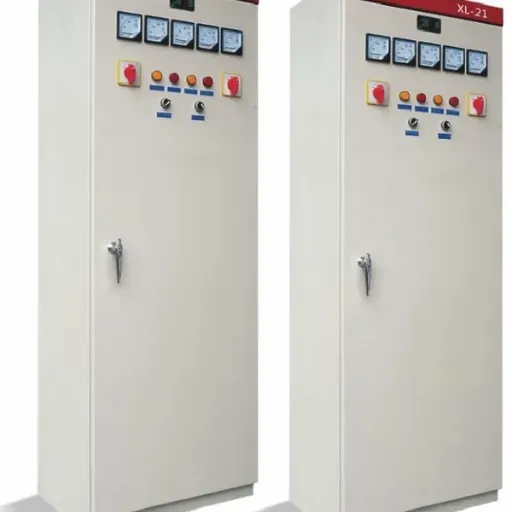
Industrial power equipment isn't a consumer appliance. A frequency power supply, diesel generator, or surge protection device must match the electrical system, load profile, and installation environment of the destination site.
It must also meet local regulations. Industrial power requirements vary by country, site, and load. When documentation is missing or incorrect, the buyer discovers the problem after the equipment has already shipped.
Common consequences of incomplete documentation include:
Installation delays: Missing wiring diagrams, grounding details, or mechanical drawings stop the project until the supplier provides them.
Compliance rejection: A certification issued for one country may not satisfy the electrical safety authority in another market.
Warranty disputes: Unclear warranty terms can leave the buyer responsible for repairs that should have been covered.
Safety risks: Inadequate protection settings or missing safety warnings can create hazards for installers and operators.
Unexpected costs: Retrofitting cooling, replacing cables, or hiring local consultants adds expense that could have been avoided.
Mike Okonkwo, a maintenance supervisor at a Nigerian manufacturing plant, ordered three replacement power supplies for an assembly line. The datasheets listed the correct input voltage, but they didn't specify the ambient temperature derating curve.
After six weeks of summer operation, two units overheated. The supplier noted that the operating-temperature range had been published in a separate environmental document that Mike had never received. The oversight cost the plant three days of downtime and an emergency air-cooling retrofit.
A complete power supply documentation checklist protects the buyer by making sure every critical detail is available before purchase, delivery, and commissioning.
Want a structured way to compare models? Use our equipment selection checklist to prepare voltage, frequency, load, and site requirements before requesting a quotation.
Core electrical parameters for a power supply documentation checklist
The first section of your power supply documentation checklist should capture the electrical data that determines whether the unit will operate safely and correctly. Don't rely on a product title or general category description. Request model-specific documentation for each candidate unit.
Input voltage, frequency, and phase configuration
Confirm the supply side of the installation. The documentation should state:
Rated input voltage in volts (V), including acceptable tolerance range.
Rated input frequency in hertz (Hz), typically 50 Hz or 60 Hz.
Phase configuration: single-phase, split-phase, or three-phase.
Neutral and grounding requirements for the incoming supply.
Power quality limits: acceptable voltage fluctuation, harmonic distortion, and transient conditions.
Voltage and frequency requirements vary by country and application. A unit rated for 480 V / 60 Hz won't operate correctly on a 380 V / 50 Hz site without confirmed compatibility. Always request the datasheet that applies to the exact model number and destination market.
Output characteristics and load ratings
For a frequency power supply or generator, the output side is just as important as the input side. Request documentation that shows:
Rated output voltage, frequency, and current under nominal conditions.
Overload capacity and duration, often expressed as a percentage for a defined time.
Power factor rating and whether the unit supports leading, lagging, or nonlinear loads.
Voltage regulation and frequency stability under load changes.
Starting current capability for motors or compressors that the supply must support.
If the load includes variable-frequency drives, refrigeration compressors, or other nonlinear equipment, ask for harmonic performance data and any derating requirements.
Protection and control features
Protection documentation explains how the unit responds to abnormal conditions. Verify that the following are described:
Overvoltage, undervoltage, and overcurrent protection settings.
Short-circuit protection and fault-clearing coordination.
Overtemperature protection and thermal shutdown behavior.
Ground-fault detection where applicable.
Control interfaces, communication protocols, and remote monitoring options.
Request setting ranges and factory defaults. Some applications require adjustable thresholds to coordinate with upstream protective devices.
Efficiency and thermal data
Energy use and heat rejection affect operating cost and installation design. Ask for:
Efficiency curves at partial and full load.
Power loss or heat dissipation in watts or kilowatts.
Cooling method: natural convection, forced air, or liquid cooling.
Required airflow, clearance, and ambient temperature limits.
This data belongs in the power supply documentation checklist because it links the electrical specification to the physical installation requirements.
Site and installation documentation
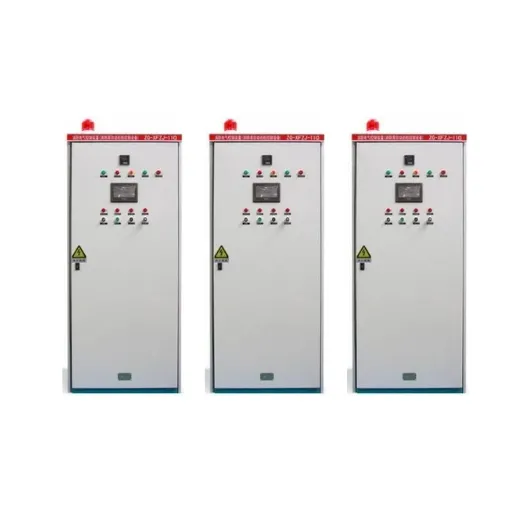
Electrical parameters mean little without the mechanical and environmental context. The next section of your power supply documentation checklist gathers the documents needed to prepare the site.
Mechanical drawings and dimensions
Request dimensioned drawings that show:
Overall width, depth, and height, including protrusions such as cable glands or handles.
Mounting hole locations and fastener specifications.
Weight, including center-of-gravity data for large units.
Clearance requirements for access, ventilation, and maintenance.
These drawings let the installation team confirm that the unit fits the allocated space and that lifting and rigging plans are adequate.
Wiring and grounding diagrams
A safe installation depends on correct wiring. The documentation should include:
Terminal identification for input, output, control, and auxiliary connections.
Conductor sizing recommendations or requirements.
Grounding and bonding instructions that match local electrical codes.
Interconnection diagrams for multi-unit or parallel systems.
For guidance on electrical installation practices, consult the International Electrotechnical Commission (IEC). You can also review standards from the Institute of Electrical and Electronics Engineers (IEEE). Choose the standards that apply to your region and equipment type.
Environmental requirements
Industrial power equipment must survive the conditions at the installation site. Confirm documentation for:
Ambient temperature operating range and storage range.
Maximum altitude without derating.
Humidity limits and condensation protection.
Ingress protection (IP) rating for dust and moisture.
Vibration, shock, and seismic requirements where applicable.
If the unit will operate in a hot, humid, or dusty environment, ask for test reports or application notes that confirm suitability.
Cooling and ventilation details
Heat is one of the leading causes of premature failure. Request:
Cooling airflow direction and volume in cubic meters per minute or cubic feet per minute.
Exhaust temperature and any restrictions on recirculation.
Filter specifications and maintenance intervals for forced-air units.
Liquid-cooling requirements, including flow rate, pressure, and coolant type.
Share these documents with the mechanical contractor early so ducting, louvers, or air-conditioning capacity can be sized correctly.
Compliance, safety, and certification records
Compliance documentation isn't optional for industrial power equipment. Buyers, inspectors, and insurers often require proof that the unit meets recognized safety and performance standards.
Electrical safety certifications
Request certificates or test reports that show compliance with applicable safety standards. Common examples include:
IEC standards for international markets.
UL or cUL listings for North America.
CE declarations for the European Economic Area.
CCC certification for China where required.
Confirm that the certificate references the exact model number and the version or revision of the standard. A certificate for a different model or an outdated standard may not be accepted.
Electromagnetic compatibility documentation
Power supplies can generate or be affected by electromagnetic interference. Ask for:
EMC test reports for conducted and radiated emissions.
Immunity test results for electrostatic discharge, surge, and voltage dip events.
Applicable standards and test levels.
This is especially important when the power supply feeds sensitive control equipment or operates near radio communication systems.
Destination-market standards and approvals
Every country has its own electrical regulations. Before ordering, confirm that the documentation addresses:
Local voltage, frequency, and plug or terminal standards.
National electrical code compliance, such as the National Electrical Code in the United States.
Utility interconnection or grid-code requirements for generators.
Import or customs documentation, including country of origin and harmonized system codes.
For electrical safety in the workplace, reference standards from the National Fire Protection Association (NFPA) and relevant local regulators.
Environmental and energy declarations
Some markets and projects require environmental documentation. This may include:
RoHS and REACH declarations for hazardous substance restrictions.
Energy-efficiency test reports or labels.
Carbon footprint or lifecycle data where requested.
Request these documents during the quotation stage so they can be included in the compliance package.
Operational and maintenance documentation
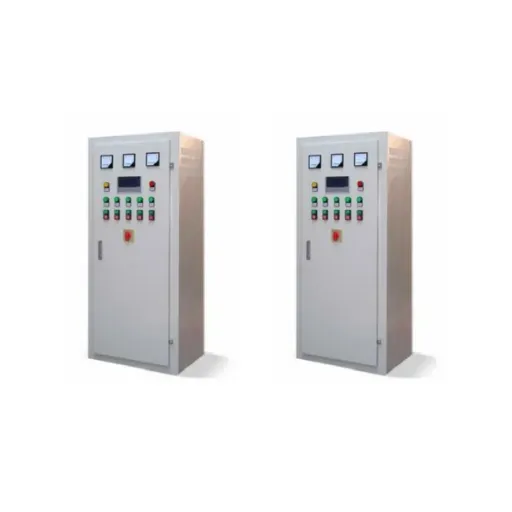
Once the unit is installed, the operations team needs clear instructions. Maintenance records and spare parts lists affect total cost of ownership.
User manual and startup procedure
The user manual should cover:
Control panel layout and indicator meanings.
Startup, shutdown, and emergency stop procedures.
Normal operating range and alarm conditions.
Basic troubleshooting steps for common faults.
A startup checklist from the manufacturer helps the commissioning engineer verify each step and record the baseline settings.
Preventive maintenance schedule
Request a maintenance schedule that lists:
Inspection intervals for connections, cooling systems, and protective devices.
Cleaning procedures and recommended consumables.
Calibration requirements for meters, sensors, and protection relays.
Recommended spare parts for routine replacement.
Documented maintenance intervals help the buyer plan labor, spare parts inventory, and downtime windows.
Troubleshooting guide and fault codes
A good troubleshooting guide reduces response time when problems occur. It should include:
A list of fault codes or alarm messages with explanations.
Recommended actions for each fault condition.
Conditions under which the supplier or authorized service provider should be contacted.
Diagnostic flowcharts for complex issues.
Spare parts list
The spare parts list should identify:
Recommended on-site spare parts for critical applications.
Part numbers, descriptions, and expected lead times.
Compatibility notes for different revisions or options.
Priya Sharma, a project buyer for a UAE-based cold-chain operator, added a documentation clause to her next power supply enquiry. She requested the user manual, maintenance schedule, compliance certificate for the GCC region, and written warranty terms before issuing the purchase order. When the units arrived, her installation team had every document needed. Commissioning was completed in two days instead of the usual week.
Commercial and support documentation
Technical documentation is only part of the package. Commercial documents protect both parties and clarify expectations after delivery.
Warranty terms and conditions
Request the warranty document in writing and confirm:
Warranty period from date of shipment, delivery, or commissioning.
Coverage for parts, labor, and freight.
Exclusions for misuse, improper installation, or unauthorized modification.
Procedure for filing a warranty claim, including required evidence.
Avoid relying on verbal assurances. The warranty terms should be part of the purchase contract or quotation acceptance.
Service and support procedures
Ask how support is organized after the sale. Useful documents include:
Service center locations and contact information.
Response-time commitments, if any are offered in writing.
Remote diagnostic capabilities and requirements.
Escalation process for critical failures.
The company states that after-sales support is a key part of its service approach. Buyers should request the written support information that applies to the selected model and destination market.
Spare parts and availability
In addition to the technical spare parts list, confirm commercial details:
Minimum order quantity and lead time for spare parts.
Pricing validity period.
Shipping options and Incoterms for replacement parts.
Delivery, packaging, and Incoterms
Finally, include commercial logistics documents in your power supply documentation checklist:
Packing list and gross weight.
Shipping marks and handling instructions.
Incoterms that define where risk and cost transfer.
Customs documentation, including certificates of origin and commercial invoices.
How to use this power supply documentation checklist
A checklist is only useful if it's complete and current. Use the following approach to keep your documentation review organized.
Create a document register
A detailed industrial equipment documentation guide can help you build a register that matches your procurement process.
For each power supply under evaluation, create a register that lists:
Model number and revision.
Supplier reference and quotation number.
Required documents by category: electrical, installation, compliance, operational, commercial.
Status of each document: requested, received, verified, or missing.
Name and date of the person who verified each document.
Cross-check against the application
Compare every document against the actual operating conditions. Confirm that voltage, frequency, ambient temperature, altitude, load type, and destination market match the site requirements. Don't assume that a document for one model applies to another model in the same product family.
Update the checklist before each order
Product revisions, standards updates, and market regulations change over time. Review the checklist before each new purchase and update it when new requirements appear. Keep a version history so the procurement team can track what was verified for each shipment.
Frequently asked questions
What documents should a buyer request before ordering a power supply?
Request the datasheet, user manual, installation drawings, wiring and grounding diagrams, compliance certificates for the destination market, EMC test reports, maintenance schedule, spare parts list, warranty terms, and commercial documents such as packing list and certificate of origin.
How do voltage and frequency requirements affect power supply selection?
The input voltage and frequency must match the site supply. A unit rated for 480 V / 60 Hz will not operate correctly on a 380 V / 50 Hz installation without confirmed compatibility. Always verify ratings against approved documentation for the exact model.
Why does destination-market documentation matter?
Safety certifications and electrical standards differ by country. A certificate accepted in one market may not satisfy inspectors in another. Destination-market documentation confirms that the unit meets local regulations and can clear customs without delays.
Conclusion
A thorough power supply documentation checklist turns a risky purchase into a controlled procurement process. By confirming electrical parameters, site conditions, compliance records, operational manuals, and commercial terms before ordering, buyers reduce delays, avoid hidden costs, and protect their investment.
The key takeaways are simple:
Request model-specific documentation for every candidate unit.
Verify that electrical ratings match the site voltage, frequency, and load profile.
Confirm compliance certificates apply to the destination market and the exact model.
Collect installation, maintenance, and spare parts information before delivery.
Get warranty and support terms in writing as part of the purchase agreement.
Ready to put this power supply documentation checklist to work? Request a quotation with your application, electrical requirements, and destination market. Our team will help you confirm the documentation needed for a smooth installation.
Recently Posted
-
How to request a technical quotation for industrial equipment
August 17, 2026A purchasing assistant sends a one-line email to five suppliers: "Please quote your best price for a water pump." Two we Read More
 -
Custom mold drawing and tolerance requirements for buyers
August 17, 2026A custom mold arrives after eight weeks of tooling work. The first trial parts come off the press, and the snap-fit housing will n Read More
 -
What Information Is Needed for a PVC Molding Machine Enquiry
August 17, 2026A buyer who sends a PVC molding machine enquiry without the right technical details often receives quotes that cannot be compared Read More
 -
Industrial equipment voltage and frequency requirements: a buyer's compatibility guide
August 17, 2026In March 2024, a procurement team in Dubai took delivery of a flake ice machine they had ordered from a supplier in East Asia. The Read More

Contact Us
Recommended Products
-
 Large Capacity Ceiling Mounted Space Saving Indoor Pool DehumidifierNegotiableMOQ: 1 Piece
 -
Commercial Home Use Bathroom Dehumidification Swimming Pool Ceiling Mounted Mini DehumidifierNegotiableMOQ: 1 Piece
-
Greenhouse Grow Room Industrial Ceiling Mounted Duct Indoor Pool DehumidifierNegotiableMOQ: 1 Piece
-
Duokai OEM Indoor Dehumidifier Portable Swimming Pool Dehumidifier in Stock With CENegotiableMOQ: 1 Piece
-
High Quality Low Voltage ODM & OEM PLC Distribution CabinetNegotiableMOQ: 1 Set



-
Saladin Type Malt Production LineNegotiableMOQ: 1 Set
-
Seawater Desalination SystemUS$ 2000 - 1000000MOQ: 1 Set
-
High Speed Synthetic Lane Bowling Ball ReturnUS$ 50 - 2000MOQ: 10 Pieces
-
Small Industrial 6-Axis Articulated Robot With Smart Welding System for Precise TasksNegotiableMOQ: 1 Piece
-
Collaborative 6-Axis Welding Robot Arm With Automatic MIG Welder CobotNegotiableMOQ: 1 Piece



-
Smart 6-Axis Articulated Robot Arm for Enhanced Metal Welding PerformanceNegotiableMOQ: 1 Piece
-
Industrial 6-Axis Welding Robot Arm With High Precision for Metal FabricationNegotiableMOQ: 1 Piece
-
Laser 6-Axis Articulated Welding Cobot Robot With Automatic Welding SystemNegotiableMOQ: 1 Piece
-
High-Speed 4-Axis Delta Robot With 3kg Payload, Gripper and Suction Cup for Food Packaging LineNegotiableMOQ: 1 Piece
-
4-Axis Collaborative Robot Arm for CNC Machine Tending and Automation SolutionsNegotiableMOQ: 1 Piece