
 Business License

How to choose an ice cream machine: a buyer's selection guide
What happens when a new dessert shop buys a machine sized for half its real demand, two weeks before opening day? The answer is usually a rushed second purchase, a strained freezer, and a menu that had to be cut down at the last minute. That scenario is more common than most suppliers admit, and it is exactly why ice cream machine selection deserves a structured process.
If you are reading this, you probably already know that an ice cream machine is not a generic appliance. Soft serve, gelato, and industrial frozen desserts each need a different equipment category, and the wrong choice affects product quality, operating cost, and food-safety compliance.
This guide walks you through the selection process step by step. You will learn how to define your application, compare ice cream machine types, plan capacity and product texture, address hygiene and utility requirements, and request the model documentation you need before requesting a quotation. Every recommendation follows one principle: start with your application, then confirm model-specific details from current documentation.
How do you choose an ice cream machine?
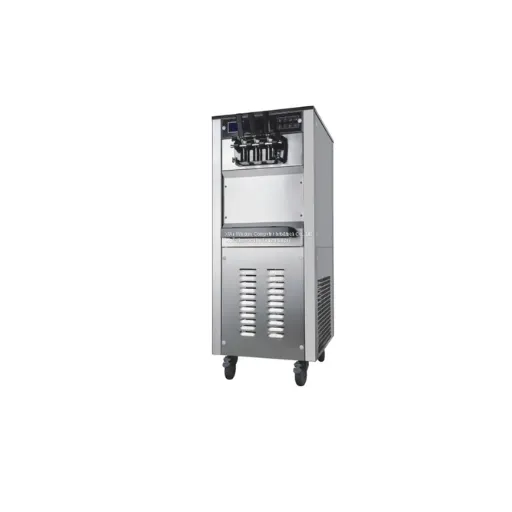
Choose an ice cream machine by defining your product type, peak servings per hour, and service format first. Then select the machine category (soft-serve, batch freezer, or continuous freezer), confirm capacity, overrun, hygiene, and utility requirements, and compare current model documentation before requesting a quotation.
Start with the application, not the machine
The most common selection mistake is comparing ice cream machine prices before defining what the machine must produce. A cafe serving 40 soft-serve cones per hour has almost nothing in common with a gelato shop batch-freezing artisan flavors, or a food factory running continuous production. Price comparisons only make sense inside the right category.
Here is an illustrative example. An operator we will call Priya was fitting out a frozen yogurt kiosk in a shopping mall. She shortlisted machines by footprint and price, and nearly ordered a countertop unit rated for light duty.
Before signing, she estimated her weekend peak at roughly 300 servings in six hours. The countertop model could not sustain that draw rate, and the recovery time between servings would have produced soft, inconsistent product during the lunch rush. Checking the application first moved her to a floor-standing model with a larger freezing cylinder.
Before you contact any supplier, write down the answers to these questions:
What product will you serve? Soft serve, hard ice cream, gelato, sorbet, frozen yogurt, and milkshakes place different demands on the freezing and mixing system.
What is your expected serving volume? Estimate servings per hour at peak, not per day on average. Peak demand determines whether the machine can keep up.
What is your service format? Counter service, self-service, and production for storage each suggest different machine types.
Where will the machine operate? Note ambient temperature, floor or counter space, ventilation, and the available electrical supply.
What mix will you use? Liquid mix, powdered mix, and fresh dairy mixes have different storage and handling needs that affect the machine configuration.
Note: Serving volumes and output figures in this article are illustrative. Measure your own demand pattern and confirm all model capacities against current supplier documentation.
Once these answers are documented, the equipment conversation becomes much more productive. If you want to see how a supplier handles this kind of enquiry, you can request model documentation for the equipment category you are considering before you discuss a specific model.
Understand ice cream machine types
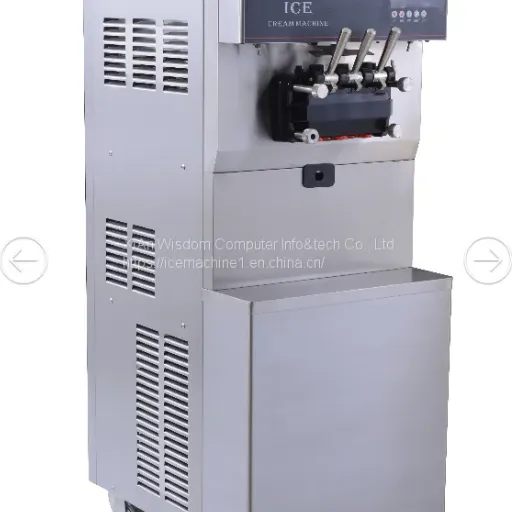
The term ice cream machine covers several distinct equipment categories. Choosing between them is the first real decision, and it should follow directly from your application answers.
Soft-serve machines
A soft-serve machine freezes and aerates a liquid mix, then dispenses it directly into a cone or cup at a serving temperature typically around -6 °C to -8 °C. It combines a mix hopper, a freezing cylinder with a beater, and a dispensing head in one unit.
Within this category, several configuration choices matter:
Gravity-fed versus pump-fed: Gravity machines feed mix into the cylinder by gravity and are simpler to clean. Pump-fed machines inject a controlled amount of air, which gives more consistent overrun and portion weight. Confirm which feed system a model uses.
Single flavor versus twin twist: Twin machines hold two flavors and can dispense them separately or combined. They suit high-variety menus but add cleaning complexity.
Countertop versus floor standing: Countertop units suit lower volumes and limited space. A floor-standing soft serve machine typically offers larger cylinders and hoppers for sustained high-volume service.
Air-cooled versus water-cooled: Air-cooled units need clearance and ventilation and release heat into the room. Water-cooled units need a water supply and drain. Confirm which cooling type a model requires before planning the installation.
Batch freezers
A batch freezer, sometimes called a hard ice cream machine, freezes a measured batch of mix while agitating it, then the product is extracted and moved to a display or storage freezer to harden. This is the standard category for gelato shops, artisan producers, and restaurants making their own hard ice cream.
Batch size, freezing time per batch, and extraction method are the key comparison points. A model suited to gelato production may differ in dasher design and temperature range from one aimed at standard hard ice cream, so confirm the intended product types in the model documentation.
Continuous freezers
A continuous freezer is industrial equipment that freezes, aerates, and discharges product without interruption, feeding filling lines or molds. This category suits food factories and high-volume producers, and selection depends on throughput, overrun control, ingredient feeders, and integration with downstream equipment. Buyers at this scale should expect a project-level technical review rather than a catalogue purchase.
Which type fits which application?
| Application | Product style | Machine category to discuss |
|---|---|---|
| Cafe or kiosk cones and cups | Soft serve | Soft-serve machine, gravity or pump fed |
| High-volume quick service | Soft serve | Floor-standing twin soft-serve machine |
| Gelato or artisan shop | Hard ice cream, gelato | Batch freezer |
| Restaurant in-house desserts | Hard ice cream, sorbet | Batch freezer |
| Factory production for retail | Packaged ice cream, novelties | Continuous freezer |
This table reflects common industry practice, not a model recommendation. Confirm product types, capacities, and configurations for the specific machine under consideration.
Plan capacity, mix handling, and overrun
Capacity for an ice cream machine is not a single number on a datasheet. Your usable capacity depends on the freezing-cylinder size, hopper volume, recovery time between servings, and how long the machine can sustain peak output without product quality dropping.
Match output to peak demand
Size the machine for your busiest hour, then add a margin. Returning to our illustrative example, Priya measured footfall over two weekends at a comparable mall location and estimated her peak at 50 servings per hour, not the 25 she first assumed. She chose a model with documented output above that figure, and her opening-weekend queues moved without texture problems. A machine running at its absolute limit all afternoon is a machine serving soft product by mid-afternoon.
For batch freezers, translate your sales plan into batches per day. If each batch takes, for example, 8 to 12 minutes depending on the model and mix, a single machine can only produce a finite daily volume. Confirm the documented batch size and cycle time, and check whether you need a second machine or a larger model for growth.
Understand overrun before you buy
Overrun is the percentage of air incorporated into the product during freezing. A mix with 50% overrun produces 1.5 liters of ice cream from 1 liter of mix. Overrun strongly affects texture, serving cost, and portion weight. Soft serve often runs at a moderate overrun, while economy products can run much higher.
Two practical implications follow. First, higher overrun lowers your ingredient cost per serving but changes mouthfeel and melting behavior. Second, pump-fed soft-serve machines generally control overrun more consistently than gravity-fed machines. Ask the supplier for the documented overrun range of the model under consideration, and test it with your own mix if a demonstration is available.
Mix supply and storage
Your mix program constrains the machine. Liquid dairy mix needs refrigerated storage and regular delivery. Powdered mix reduces cold-chain pressure but adds preparation labor and water-quality requirements. Some machines include a mix-low indicator or an overnight standby mode that holds the hopper at a safe temperature; confirm whether these features exist on the model you are evaluating, and verify any temperature-holding claims in writing.
Ready to move from planning to specifics? Prepare your product type, peak servings per hour, and site conditions, then discuss your ice cream machine requirements with the supplier so the recommendation can be checked against your situation.
Check hygiene, utility, and installation requirements
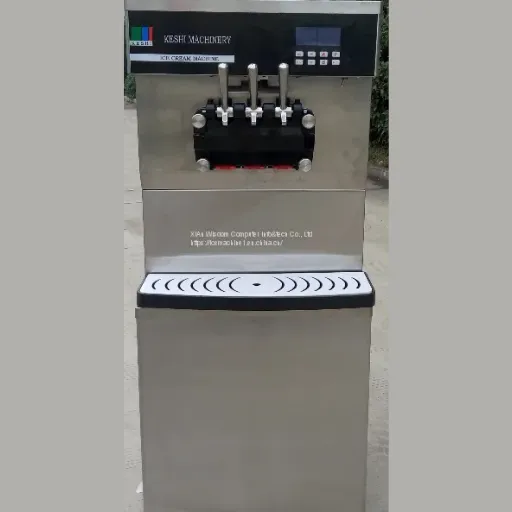
An ice cream machine processes a dairy product, so hygiene, cleaning, and maintenance are design requirements, not afterthoughts. Review these areas before you finalize a model, not after delivery.
Cleaning and sanitation
Cleaning workload varies significantly between models and can determine whether your staff actually follows the procedure. Clarify the following for any candidate machine:
Cleaning frequency: Confirm the documented cleaning interval. Some machines require full disassembly and cleaning on a frequent schedule, while others include heat-treatment systems that pasteurize the mix and extend the interval between full cleanings. Verify the documented interval rather than relying on a sales claim.
Disassembly and parts: Ask how many parts contact the product, how they are removed, and whether replacement seals, O-rings, and beaters are available for your market.
Materials: Confirm that product-contact surfaces use food-grade materials, and request the relevant declarations for your destination market.
Food-safety expectations for frozen dessert equipment are well established. In the United States, for example, the Food and Drug Administration publishes the Food Code, which covers requirements for equipment that handles potentially hazardous foods; see fda.gov for current guidance. Sanitary design standards from organizations such as 3-A Sanitary Standards are widely referenced for dairy-processing equipment, and the Codex Alimentarius provides international food-hygiene principles. Your local authority may impose its own rules, so confirm which requirements apply to your operation and market.
Electrical and installation requirements
Confirm the rated voltage, frequency, phase, and power consumption from the model documentation, and check them against your local supply. Larger floor-standing machines often need a dedicated circuit, and some require three-phase power. Also confirm dimensions, weight, door and corridor clearances for delivery, and the clearance needed for ventilation if the unit is air-cooled.
Ambient conditions matter more than many buyers expect. An air-cooled soft-serve machine in a hot, poorly ventilated kitchen works harder and may lose capacity.
In our third illustrative example, a restaurant buyer we will call Marco installed a machine against a wall with almost no rear clearance to save counter space. The condenser could not breathe, the compressor ran hot, and product consistency suffered during summer service. Relocating the unit to meet the documented clearance solved the problem without any repair. Confirm the documented installation clearances and ambient temperature limits before delivery day.
Water and drainage
Water-cooled condensers need a suitable water supply and drain, and local water regulations may restrict once-through cooling systems. Even air-cooled machines need drainage planning for cleaning and defrost routines. Confirm the water and drainage requirements in the installation section of the model documentation.
Request ice cream machine documentation before comparing models
Price comparisons between suppliers are only meaningful when the underlying specifications are documented and comparable. A general product listing rarely tells you what you need to know. For each candidate model, request current documentation covering the following ice cream machine selection requirements:
Model number and rated output, with the operating conditions behind the rating, such as ambient temperature and mix temperature
Product types and configurations supported by the model, including flavor count and feed system
Overrun range and how it is controlled
Hopper and cylinder capacity, plus any mix-holding or standby modes
Electrical requirements: voltage, frequency, phase, and rated power
Cooling type and the associated ventilation, water, and drainage requirements
Cleaning procedure and documented cleaning interval, including parts lists for wear components
Materials and food-contact declarations relevant to your destination market
Document version and date, so you know the information is current
Compare models on a like-for-like basis. Two machines with the same nominal output can differ in overrun control, cleaning burden, cooling type, and documentation quality. If a specification is not listed, ask for written confirmation rather than assuming compatibility.
You can use an equipment selection checklist to structure this comparison across suppliers, and review the available ice cream machine options once your application requirements are written down.
Confirm commercial and support information
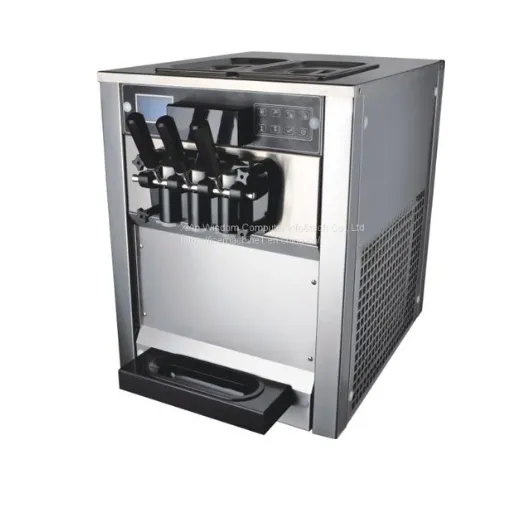
Technical fit is only half of the decision when comparing commercial ice cream equipment. Before you request a final quotation, confirm the commercial and support terms in writing for the specific model and order:
Quotation scope: Confirm what the price includes, such as dispensing heads, spare seals and beaters, commissioning, and operator training.
Lead time and delivery terms: Confirm current production lead time and the delivery arrangement for your destination.
Warranty and service: Request written warranty terms and ask which manuals, parts information, and support processes apply to your model and market.
Payment terms and minimum order quantity (MOQ): Confirm in writing before negotiation.
Destination-market suitability: Confirm electrical configuration, documentation language, food-contact material declarations, and applicable compliance requirements for your country.
Suppliers that work with international buyers, including XiAn Wisdom Computer Info&tech Co., Ltd, typically expect this kind of structured enquiry. The company lists ice cream machines among its product categories and states that quality management and after-sales support are central to its service approach. As with any supplier, confirm model availability, specifications, and service terms from current documentation before ordering.
Conclusion: build your checklist, then compare
Choosing an ice cream machine becomes straightforward when you follow the right order of decisions. Keep these takeaways in mind:
Define the application first. The product style, peak servings per hour, and service format determine everything else.
Choose the machine category (soft-serve machine, batch freezer, or continuous freezer) based on the product you will actually sell, and confirm the feed and cooling configuration.
Plan capacity around peak demand. Size for your busiest hour with a margin, and understand how overrun affects both texture and serving cost.
Treat hygiene as a design requirement. Confirm the documented cleaning interval, parts availability, food-contact materials, and the food-safety rules that apply in your market.
Compare documented models, not listings. Request current technical datasheets, installation requirements, and written commercial terms before deciding.
Your next step is practical: write down your product type, peak serving volume, site conditions, and destination market. Then share that information with your shortlisted suppliers and request model-specific documentation.
Request ice cream machine documentation or discuss your application →
A well-prepared enquiry gets you a better answer, a faster quotation, and a machine that actually fits your operation. Start with the application, verify the model details, and the rest of the decision follows.
Recently Posted
-
How to request a technical quotation for industrial equipment
August 17, 2026A purchasing assistant sends a one-line email to five suppliers: "Please quote your best price for a water pump." Two we Read More
 -
Custom mold drawing and tolerance requirements for buyers
August 17, 2026A custom mold arrives after eight weeks of tooling work. The first trial parts come off the press, and the snap-fit housing will n Read More
 -
What Information Is Needed for a PVC Molding Machine Enquiry
August 17, 2026A buyer who sends a PVC molding machine enquiry without the right technical details often receives quotes that cannot be compared Read More
 -
Power supply documentation checklist for industrial buyers
August 17, 2026Last March, Elena Vasquez received a shipment of frequency power supplies for a new cold-storage line. Elena is a procurement mana Read More

Contact Us
Recommended Products
-
 Large Capacity Ceiling Mounted Space Saving Indoor Pool DehumidifierNegotiableMOQ: 1 Piece
 -
Commercial Home Use Bathroom Dehumidification Swimming Pool Ceiling Mounted Mini DehumidifierNegotiableMOQ: 1 Piece
-
Greenhouse Grow Room Industrial Ceiling Mounted Duct Indoor Pool DehumidifierNegotiableMOQ: 1 Piece
-
Duokai OEM Indoor Dehumidifier Portable Swimming Pool Dehumidifier in Stock With CENegotiableMOQ: 1 Piece
-
High Quality Low Voltage ODM & OEM PLC Distribution CabinetNegotiableMOQ: 1 Set
-
Amy Autonomous Food Delivery Service Robot for Food Service in Hotels, Restaurants, and Commercial VenuesNegotiableMOQ: 1 Piece
-
6-Axis Automated Arc Welding Workstation for Steel Structure FabricationNegotiableMOQ: 1 Piece
-
Intelligent Inter-Row Weeding Robot Mower for Precision Agricultural CultivationNegotiableMOQ: 1 Piece
-
100kg Capacity Tumble DryerNegotiableMOQ: 2 Sets
-
Saladin Type Malt Production LineNegotiableMOQ: 1 Set
-
Seawater Desalination SystemUS$ 2000 - 1000000MOQ: 1 Set
-
High Speed Synthetic Lane Bowling Ball ReturnUS$ 50 - 2000MOQ: 10 Pieces
-
6-Axis Industrial Welding Robot for H-Beam Automatic Rail Welding StationNegotiableMOQ: 1 Piece
-
Long‑Reach Welding Robot JZJ06C‑180 6KG 1800mm Cutting ApplicationNegotiableMOQ: 1 Piece
-
Steering Gear Steering-sensitive Automotive PartsNegotiableMOQ: 100 Pieces