
 Business License

What Information Is Needed for a PVC Molding Machine Enquiry
A buyer who sends a PVC molding machine enquiry without the right technical details often receives quotes that cannot be compared fairly. That is not a supplier problem, it is a specification problem.
If you prepare the key information before requesting a quotation, you will get clearer recommendations, more comparable offers, and fewer unexpected commercial questions later. This guide explains what information is needed for a PVC molding machine enquiry, why each item matters, and how to organize it for a faster response.
Note: XiAn Wisdom Computer Info&tech Co., Ltd lists PVC molding machines among its product categories. Confirm model-specific specifications, availability, and commercial terms with current approved documentation before placing an order.
Why a complete enquiry matters
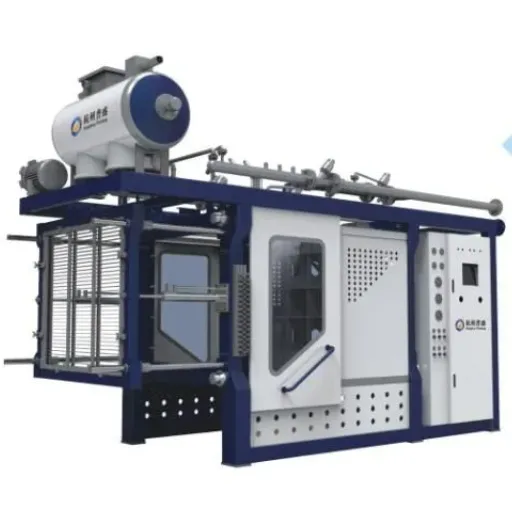
PVC molding machines are used to shape polyvinyl chloride and related materials into finished products. The right machine depends on the part, the mold, the production target, and the operating environment. A supplier cannot recommend a suitable model from a request that says only "I need a PVC molding machine."
The cost of missing information
When technical details are incomplete, quotations arrive with different assumptions. One supplier may quote a smaller machine for low-volume parts. Another may quote a larger machine to cover unknown requirements. The buyer ends up comparing prices for different scopes, not the same solution.
A well-prepared enquiry also protects the buyer after purchase. If the agreed machine cannot fit the mold, reach the required output, or operate on the available power supply, the project stalls. Many of these problems can be avoided by documenting requirements before the quotation stage.
What suppliers need to know
Suppliers generally need information in four areas:
Product and process: what you are making, from which material, and by which molding method
Machine specifications: clamping force, shot size, mold dimensions, and production rate
Site and utilities: power supply, space, cooling, ventilation, and ambient conditions
Commercial scope: quantity, destination, lead time, documentation, and support expectations
This article walks through each area so you can prepare a complete PVC molding machine enquiry.
Product and process information
Start with the end product. The machine must match the part geometry, material behavior, and production method.
Product description
Describe the item you plan to produce. Include dimensions, weight, wall thickness, and any critical tolerances. Photos, sketches, or a sample part help suppliers understand the complexity of the molding task.
If the product is new, provide the expected design in a readable format. If it is an existing product, include current production data such as cycle time, defect rate, and material grade.
Material specification
PVC comes in several forms. Rigid PVC, flexible PVC, and PVC compounds with additives behave differently during molding. State the material grade, hardness, color, and any special requirements such as UV resistance or food-contact compliance.
If you are not certain of the exact grade, describe the application and the expected properties. The supplier can then recommend a suitable material direction and confirm whether the proposed machine can process it.
Molding process
PVC molding usually refers to injection molding, but extrusion, blow molding, and compression molding are also used for PVC products. State the intended process clearly.
For injection molding, note whether the part requires:
single-cavity or multi-cavity production
insert molding or overmolding
hot-runner or cold-runner mold design
special injection profiles for heat-sensitive materials
Verification required: Confirm the proposed machine is compatible with your material grade and process before discussing final pricing.
Machine specification requirements
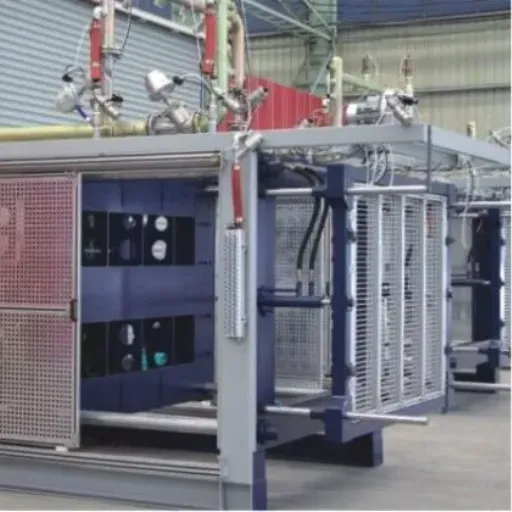
Once the product is defined, identify the machine parameters that affect suitability.
Clamping force
Clamping force holds the mold closed during injection. It is usually measured in tons or kilonewtons. A part with a large projected area or thin walls that require high injection pressure needs more clamping force.
To estimate clamping force, the supplier needs the projected area of the part and the expected injection pressure. If you cannot calculate this, provide the part dimensions and material, and request the supplier's recommended force range.
Shot size and injection capacity
Shot size is the maximum volume of material the machine can inject in one cycle. It must exceed the total part volume including runners, sprues, and any waste.
State the weight or volume of the finished part and the number of cavities. The supplier can then confirm whether the machine's injection capacity is sufficient under your operating conditions.
Mold dimensions and daylight
The machine must physically accommodate the mold. Provide:
mold length, width, and height
mold weight
minimum and maximum mold thickness
required platen size
expected ejection stroke
Daylight is the maximum opening distance between the fixed and moving platens. It must allow the mold to open fully and the part to be removed easily.
Production output and cycle time
State the required daily, weekly, or annual output. If you know the expected cycle time, include it. If not, provide the production target and the number of planned operating hours. The supplier can estimate whether the machine can meet your volume.
Control and automation needs
Modern PVC molding machines may offer programmable controllers, data logging, robotic interfaces, or automated part removal. If you need these features, list them. If you only need manual operation, state that clearly to avoid paying for unnecessary options.
Mold requirements
The mold is as important as the machine. In many PVC molding projects, the mold is supplied separately or must be designed to fit an existing machine.
Mold drawings and specifications
Provide mold drawings if they already exist. Key details include:
cavity layout and number of cavities
runner system design
gate type and location
cooling channel layout
ejection method
material of construction
If the mold has not been designed, share the product drawings and ask the supplier whether they can support mold design, sourcing, or fitting.
Tolerance and surface finish
State the dimensional tolerances the part must hold. Also describe the required surface finish, especially for visible consumer products or parts that need post-molding assembly.
Mold compatibility
If you already own a mold, confirm whether it is designed for the machine type you are considering. Different machines use different mold mounting patterns, ejector layouts, and nozzle radius standards. Provide these details so the supplier can check compatibility.
Site and utility conditions
A machine that works on paper may fail in practice if the site cannot support it.
Power supply
PVC molding machines require specific voltage, frequency, and phase. Common industrial supplies include 380 V / 50 Hz / 3-phase or 460 V / 60 Hz / 3-phase, but requirements vary by machine and market.
State your available power supply and any limits on installed capacity. Also confirm whether the machine needs a transformer, stabilizer, or separate circuit.
Cooling water
Injection molding generates heat that must be removed through a cooling system. The machine or mold may require chilled water at a specific flow rate and temperature.
Provide your cooling water source, temperature range, and available flow rate. If you plan to use a chiller, state its capacity.
Space and layout
Measure the available floor space, including clearance for operation, maintenance, material feeding, and part removal. Note ceiling height, door widths, and floor load limits if the machine must be moved into place.
Ventilation and safety
PVC decomposition at excessive temperatures can release harmful gases. Confirm that your facility has adequate ventilation and temperature control. Also ask the supplier about safety features, guarding, and emergency stops included with the machine.
Commercial and documentation requirements
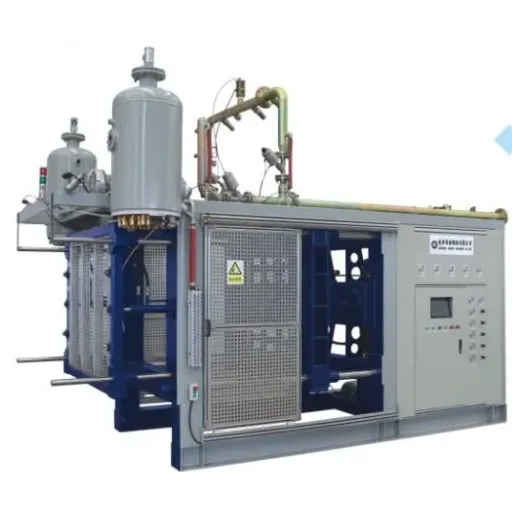
Technical suitability is only part of the decision. The commercial terms and documentation must also be clear.
Quantity and delivery destination
State how many machines you need and where they will be shipped. Delivery destination affects packing, shipping method, customs documentation, and sometimes voltage or certification requirements.
Lead time and installation schedule
Ask for the estimated production lead time and whether installation, commissioning, or training are included. If you have a project deadline, share it so the supplier can confirm feasibility.
Warranty, spare parts, and support
Request written information on warranty coverage, spare parts availability, and after-sales support. For industrial equipment, it is important to confirm whether support is remote, on-site, or handled through a local partner.
Required documentation
List the documents you need with the machine, such as:
operation manual
electrical and hydraulic diagrams
maintenance schedule
spare parts list
quality inspection report
certification documents for your destination market
If your market requires CE, UL, or other marks, state this clearly and request the applicable evidence.
How to structure your enquiry
A clear enquiry format helps suppliers respond quickly and accurately. Consider using the following structure:
Company and contact information: name, location, application, and preferred response method
Product overview: part name, material, process, and expected production volume
Part specifications: dimensions, weight, tolerances, and surface finish
Machine requirements: clamping force, shot size, mold dimensions, and special features
Mold information: existing mold details or design support needed
Site conditions: power, cooling, space, ventilation, and ambient conditions
Commercial terms: quantity, destination, lead time, budget range, and required documentation
Questions: specific points you need the supplier to clarify
A structured enquiry signals that you are a serious buyer and reduces the number of back-and-forth messages needed before a useful quotation.
Common mistakes to avoid
Even experienced buyers sometimes miss key details. Watch for these common problems:
Requesting only a price without specifications: The cheapest quote may be for a machine that does not fit your mold or output target.
Ignoring utility requirements: Power and cooling differences can add unexpected costs after delivery.
Forgetting destination-market compliance: Certification requirements vary by country and should be confirmed before ordering.
Assuming all PVC materials process the same: Additives, hardness, and grade affect machine settings and mold design.
Skipping after-sales confirmation: Warranty, parts, and service terms should be documented before purchase.
What to expect from a supplier response
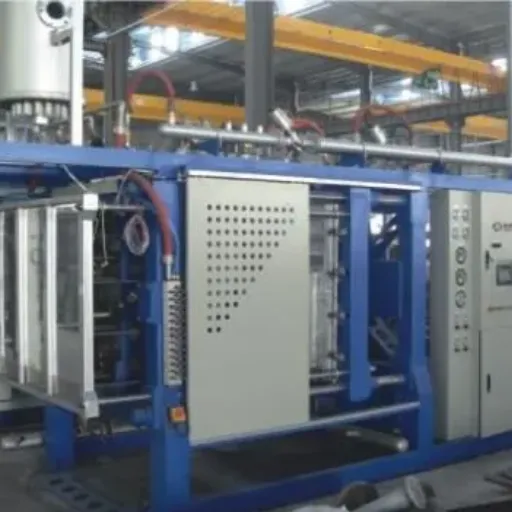
A professional supplier should respond with specific questions, recommendations, or a quotation based on the information you provide. If the response is vague or does not address your stated requirements, ask for clarification before proceeding.
A useful quotation for a PVC molding machine should include:
machine model and key specifications
scope of supply, including accessories and spare parts
power and utility requirements
delivery terms and lead time
price basis and currency
warranty and support terms
documentation included
Compare quotations on a like-for-like basis. If one supplier includes installation and training while another does not, adjust the comparison accordingly.
Mini-story: The incomplete enquiry
Last year, a procurement manager named David sent a generic request to several suppliers for a "PVC injection molding machine for pipe fittings." He received quotes ranging from USD 35,000 to USD 95,000. The suppliers had made different assumptions about mold size, output, and automation.
David had to restart the process. He prepared a one-page specification covering part dimensions, material grade, cavity count, power supply, and production target. The second round of quotes landed within a 15% range, and he could compare them directly. The time he spent organizing the enquiry saved him several weeks of revisions.
Mini-story: The utility surprise
A facilities team in Southeast Asia ordered a PVC molding machine based on output and price. When the machine arrived, they discovered it required a 3-phase 380 V supply at a higher current than their panel could support. The upgrade cost delayed commissioning by three weeks.
Now the team includes power, cooling, and space details in every equipment enquiry. They also ask suppliers to confirm the full utility list before accepting a quotation.
Conclusion
A successful PVC molding machine purchase starts with a complete enquiry. The right information helps the supplier recommend a suitable machine, prepare an accurate quotation, and avoid surprises during installation.
Before you request a quotation, gather your product specifications, machine requirements, mold details, site conditions, and commercial expectations. Present them in a clear format, and ask the supplier to confirm compatibility and documentation.
[Request product information →] Share your application requirements and we can discuss the information needed for a suitable PVC molding machine recommendation.
Recently Posted
-
How to request a technical quotation for industrial equipment
August 17, 2026A purchasing assistant sends a one-line email to five suppliers: "Please quote your best price for a water pump." Two we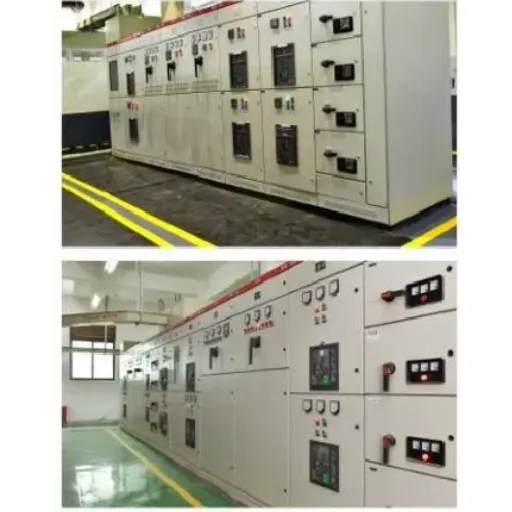 Read More
 -
Custom mold drawing and tolerance requirements for buyers
August 17, 2026A custom mold arrives after eight weeks of tooling work. The first trial parts come off the press, and the snap-fit housing will n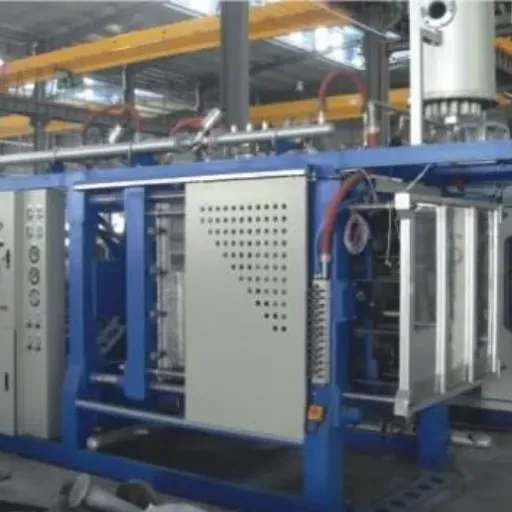 Read More
 -
Power supply documentation checklist for industrial buyers
August 17, 2026Last March, Elena Vasquez received a shipment of frequency power supplies for a new cold-storage line. Elena is a procurement mana Read More
 -
Industrial equipment voltage and frequency requirements: a buyer's compatibility guide
August 17, 2026In March 2024, a procurement team in Dubai took delivery of a flake ice machine they had ordered from a supplier in East Asia. The Read More

Contact Us
Recommended Products
-
 Large Capacity Ceiling Mounted Space Saving Indoor Pool DehumidifierNegotiableMOQ: 1 Piece
 -
Commercial Home Use Bathroom Dehumidification Swimming Pool Ceiling Mounted Mini DehumidifierNegotiableMOQ: 1 Piece
-
Greenhouse Grow Room Industrial Ceiling Mounted Duct Indoor Pool DehumidifierNegotiableMOQ: 1 Piece
-
Duokai OEM Indoor Dehumidifier Portable Swimming Pool Dehumidifier in Stock With CENegotiableMOQ: 1 Piece
-
High Quality Low Voltage ODM & OEM PLC Distribution CabinetNegotiableMOQ: 1 Set

-
Saladin Type Malt Production LineNegotiableMOQ: 1 Set
-
Seawater Desalination SystemUS$ 2000 - 1000000MOQ: 1 Set
-
High Speed Synthetic Lane Bowling Ball ReturnUS$ 50 - 2000MOQ: 10 Pieces
-
Small Industrial 6-Axis Articulated Robot With Smart Welding System for Precise TasksNegotiableMOQ: 1 Piece
-
Collaborative 6-Axis Welding Robot Arm With Automatic MIG Welder CobotNegotiableMOQ: 1 Piece

-
Smart 6-Axis Articulated Robot Arm for Enhanced Metal Welding PerformanceNegotiableMOQ: 1 Piece
-
Industrial 6-Axis Welding Robot Arm With High Precision for Metal FabricationNegotiableMOQ: 1 Piece
-
Laser 6-Axis Articulated Welding Cobot Robot With Automatic Welding SystemNegotiableMOQ: 1 Piece
-
High-Speed 4-Axis Delta Robot With 3kg Payload, Gripper and Suction Cup for Food Packaging LineNegotiableMOQ: 1 Piece
-
4-Axis Collaborative Robot Arm for CNC Machine Tending and Automation SolutionsNegotiableMOQ: 1 Piece