
 Business License

How to choose water treatment equipment: a buyer's selection guide
What would a failed water-quality audit cost your operation? For a food processor, a beverage plant, or a commercial facility, the answer is usually enough to justify taking water treatment equipment selection seriously from the start.
If you are researching this category, you likely already know the frustrating part: "water treatment equipment" covers everything from a simple sediment filter to a multi-stage reverse osmosis plant, and supplier listings rarely explain which one your application actually needs. Choosing on price or on a generic capacity claim often leads to equipment that treats the wrong problem.
This guide gives you a structured selection process. You will learn how to define your water source and treatment objective, understand the main equipment categories, size the system for your flow and quality requirements, plan site conditions and utilities, and request the documentation needed for a confident comparison. The principle throughout is simple: define the water problem first, then confirm model-specific details from current documentation.
Define the water problem before the equipment

Every water treatment decision starts with two facts: what is in your water now, and what quality you need at the outlet. Everything else, including equipment category, capacity, and cost, follows from those two answers.
Here is an illustrative example. A project buyer we will call Priya was sourcing treatment equipment for a beverage production line. Her first enquiry to suppliers asked only for "a 2,000 liters-per-hour system." The quotations she received covered three completely different process designs, and none of the suppliers could explain why their design fit her water.
When she commissioned a source-water analysis, the report showed high hardness and elevated total dissolved solids (TDS), a measure of all dissolved material in the water. That single document narrowed the choice to softening plus reverse osmosis, and the next round of quotations was finally comparable.
Before contacting suppliers, prepare this information:
Water source: Municipal supply, borehole or well water, surface water, or process wastewater for reuse.
Source water analysis: A current laboratory report listing the parameters that matter for your application, such as hardness, TDS, turbidity, iron, manganese, chlorine, and microbiological results where relevant.
Treatment objective: The required outlet quality. For example, potable water, ingredient water for food production, boiler feed water, or discharge compliance.
Required flow rate: Average and peak demand, stated in liters or cubic meters per hour.
Operating schedule: Continuous, batch, or intermittent use.
Note: Water quality requirements differ by application and destination market. Confirm the applicable standard for your use, such as the World Health Organization (WHO) guidelines available at who.int or local potable-water regulations, before specifying outlet quality.
With these five points documented, a supplier can check a recommendation against your actual conditions. You can also request product documentation for the equipment category you are evaluating before discussing a specific model.
Understand the main water treatment equipment categories
Industrial water treatment equipment is usually built from process stages. Each stage removes or controls a specific class of contaminant, and a complete system combines the stages your water analysis calls for.
Filtration and media systems
Filtration removes suspended solids, turbidity, and sediment. Common configurations include multimedia filters, activated carbon filters for chlorine, taste, and odor control, and cartridge or bag filters for finer particle removal. Filtration is often the first stage in a treatment line and protects downstream equipment.
Water softeners
Softeners use ion exchange resin to remove hardness minerals, mainly calcium and magnesium. They are common in boiler feed, laundry, and food-service applications where scale buildup damages equipment. Key selection factors include hardness level, flow rate, and regeneration method. Confirm resin capacity and salt or brine requirements from the model documentation.
Reverse osmosis systems
A reverse osmosis (RO) system forces water through a semi-permeable membrane to remove dissolved salts, most organic material, and many microorganisms. RO is the standard choice when the treatment objective requires low TDS, such as beverage ingredient water or boiler feed for higher-pressure systems. Important documented parameters include recovery rate (the share of feed water that becomes product water), membrane type, operating pressure, and reject-water volume.
Disinfection and dosing systems
Ultraviolet (UV) disinfection units inactivate microorganisms without chemicals. Chemical dosing systems add controlled amounts of treatment chemicals, such as coagulants, disinfectants, or antiscalants for RO membranes. These stages are often combined with filtration or RO rather than used alone.
Matching stages to the treatment objective
| Source water issue | Typical stage to discuss |
|---|---|
| Suspended solids, turbidity | Multimedia or cartridge filtration |
| Chlorine, taste, odor | Activated carbon filtration |
| Hardness (scale) | Ion exchange softener |
| High TDS, dissolved salts | Reverse osmosis system |
| Microbiological risk | UV disinfection or chemical dosing |
| Membrane protection | Antiscalant dosing, pre-filtration |
This table reflects common industry practice, not a system design. Final stage selection depends on your water analysis and must be confirmed with the supplier for the specific models under consideration.
Size the system for flow, quality, and operating conditions

Capacity figures on a listing mean little without the conditions behind them. Three factors deserve attention when you compare water treatment equipment.
Flow rate and peak demand
Size the system for your peak hourly demand, not your daily average. A plant that uses 10 cubic meters per day but draws most of it in two production shifts needs a system rated for the peak rate, or a product-water storage tank to buffer demand. Ask suppliers to state the rated flow and the inlet conditions behind that rating, such as feed-water temperature and TDS, since RO output in particular drops as feed-water temperature falls.
Recovery, rejection, and operating cost
For membrane systems, the recovery rate determines how much feed water becomes usable product and how much goes to drain. A higher recovery reduces water waste but can increase scaling risk, depending on feed-water quality. Request the documented recovery rate and expected operating parameters for the model, and include reject-water disposal in your site planning.
Returning to our illustrative example, Priya compared two RO quotations with the same nominal output. One listed a recovery rate with documented feed-water conditions; the other did not. When she asked, the second supplier confirmed a lower recovery, meaning higher water and pretreatment costs over the equipment's life. The documented number, not the headline capacity, decided the comparison.
Feed-water temperature and seasonal variation
Feed-water conditions change with the seasons. Borehole and surface water temperatures can shift several degrees between summer and winter, and reverse osmosis output falls as feed water gets colder. A system that meets demand in August may fall short in January if the rating assumed warm feed water.
Ask each supplier to state the feed-water temperature behind the rated output and, where relevant, the expected output at your lowest seasonal temperature. Water treatment equipment sized with this margin avoids mid-winter production shortfalls.
Consumables and maintenance load
Every treatment stage has consumables: filter media, cartridges, resin and salt, membranes, UV lamps, and dosing chemicals. Before choosing, ask each supplier for the expected replacement intervals and the documented basis for them. A lower purchase price can hide a higher consumable cost per cubic meter of treated water.
Have your water analysis and flow requirements ready? Discuss your water treatment requirements with the supplier so the recommended system can be checked against your source water and destination market.
Check site, utility, and installation requirements
Water treatment equipment has practical installation demands that belong in the plan before ordering, not after delivery.
Confirm the following for each candidate system:
Electrical supply: Voltage, frequency, phases, and rated power for pumps, control panels, and UV units. Verify against your local supply.
Feed-water conditions: Required inlet pressure, temperature range, and pre-treatment needs stated in the model documentation.
Drainage and reject water: Drain capacity for filter backwash, softener regeneration, and RO reject flow, plus any local discharge rules that apply.
Space and access: System footprint, tank dimensions, and clearance for membrane or media replacement and lamp changes.
Ambient conditions: Temperature, ventilation, and protection from freezing where the equipment will be installed.
Materials and hygiene: Wetted-part materials appropriate for your application, for example stainless steel contact surfaces for food and beverage use, confirmed in the documentation.
Regulatory context matters as well. Potable-water applications must meet destination-market rules. In the United States, for example, the Environmental Protection Agency publishes drinking-water standards at epa.gov.
Management-system standards, such as those published by the International Organization for Standardization at iso.org, may also be relevant to your project documentation. Compliance needs for water treatment equipment vary by market. Confirm which requirements apply to yours and request the corresponding supplier documentation.
Request water treatment equipment documentation before comparing suppliers
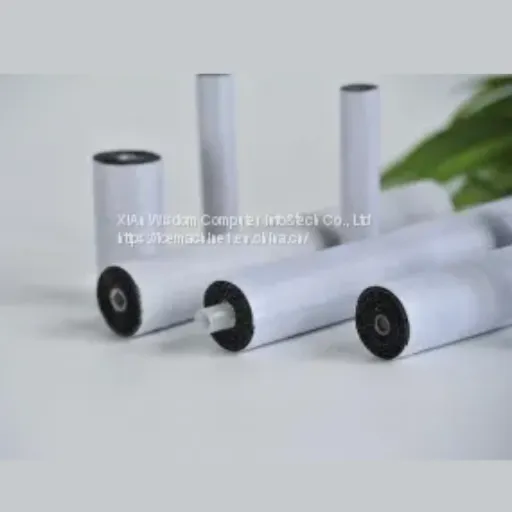
A general listing cannot support a purchase decision for water treatment equipment. For each candidate system, request current documentation covering:
Process design: The stages included and the reason each stage is proposed for your water analysis.
Rated flow and outlet quality, with the feed-water conditions behind those figures.
Recovery rate and reject volume for membrane systems.
Consumables list with expected replacement intervals and the conditions behind them.
Electrical, dimensional, and installation requirements.
Materials of construction for wetted parts.
Control and monitoring scope: instruments, alarms, and automation included in the quotation.
Applicable compliance documentation for your destination market, with document versions and dates.
Compare systems on a like-for-like basis. Two quotations with the same nominal output can differ sharply in recovery, consumable cost, instrumentation, and documentation quality. An equipment selection checklist helps structure this comparison, and you can review the available water treatment equipment options once your water analysis and flow requirements are written down.
Confirm commercial and support information
Technical fit is only part of the decision. Confirm the commercial and support terms in writing for the specific system and order:
Quotation scope: Confirm what is included, such as pre-treatment stages, tanks, instrumentation, commissioning, and operator training.
Performance basis: Ask which outlet-quality figures the supplier commits to in writing, and under what feed-water conditions.
Lead time and delivery terms: Confirm current production lead time and delivery arrangements for your destination.
Warranty and after-sales support: Request written warranty terms, spare-parts availability, and the support process for your market.
Destination-market suitability: Confirm electrical configuration, documentation language, and applicable compliance needs.
Also confirm the spare-parts position. Consumables such as membranes, cartridges, and UV lamps need replacement on a documented schedule, so ask which spares are included with the order and how replacement parts are supplied to your market. Clear answers here reduce downtime risk over the life of the water treatment equipment.
Suppliers experienced in international projects, including XiAn Wisdom Computer Info&tech Co., Ltd, typically expect this kind of structured enquiry. The company lists water-treatment equipment among its stated focus areas and states that quality management and after-sales support are central to its service approach. As with any supplier, confirm model availability, specifications, and service terms from current documentation before ordering.
Consider one more illustrative scenario. A facilities manager we will call Tomas ordered a softener-and-filter package for a hotel project based on a one-page quotation. The equipment arrived without commissioning instructions for the local voltage, and the resin specification was never confirmed in writing.
Two months of back-and-forth followed before the system ran as intended. The equipment was adequate; the missing documentation was the problem. Written confirmation of scope, consumables, and support terms would have prevented the delay.
Conclusion: define the water, then the equipment
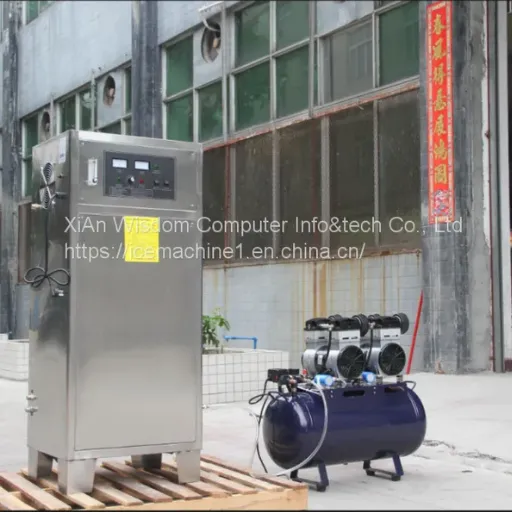
Choosing water treatment equipment is manageable when you follow the right order of decisions:
Document your water source and treatment objective first. A current water analysis is the foundation of every good quotation.
Match process stages to the actual water problem. Filtration, softening, reverse osmosis, and disinfection each solve different issues.
Size for peak flow and real operating conditions. Include recovery rate and reject-water planning in the comparison.
Plan site and utility requirements early. Power, drainage, space, and materials all affect suitability.
Compare documented systems, not listings. Request process design, consumables, compliance documents, and written commercial terms before deciding.
Your next step is practical: obtain a source-water analysis, record your peak flow requirement, and note your site conditions and destination market. Then share that information with shortlisted suppliers and request system-specific documentation.
Request water treatment equipment documentation or discuss your application →
A well-prepared enquiry produces a comparable quotation, a system that fits your water, and fewer surprises after delivery. Start with the water, verify the model details, and the rest of the decision follows.
Recently Posted
-
How to choose a surge protection device
August 13, 2026Nadia manages a food-processing plant. After an electrical storm, the control board on her packaging line stopped responding. The Read More
 -
Diesel Generator Sizing Guide: How to Choose the Right Set
August 13, 2026Marta manages a cold-storage facility that loses product every time the grid supply drops. When the operations team bought a backu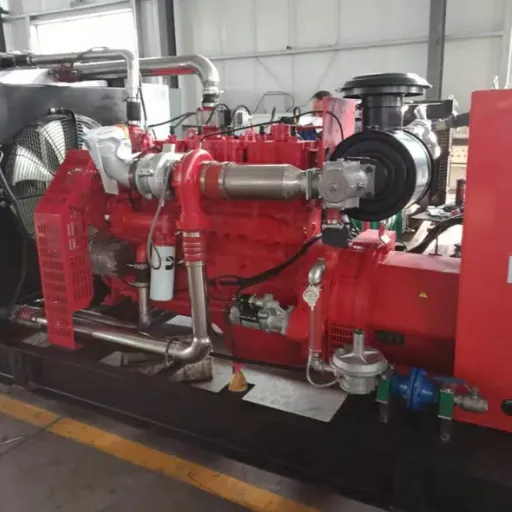 Read More
 -
Diesel Generator Maintenance Guide: What to Check and When
August 13, 2026A diesel generator set fails when it is needed most, and rarely by accident. The standby set in the engine room has seen no servic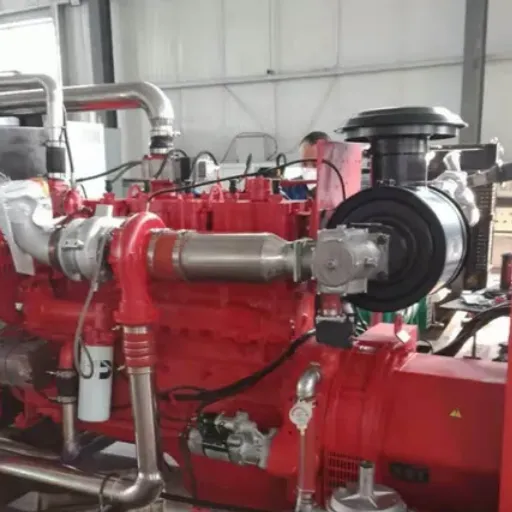 Read More
 -
Frequency Power Supply Selection: How to Choose the Right Equipment
August 13, 2026Marek runs an equipment-testing lab that recently took on three-phase units rated for 60 Hz. His site is supplied at 50 Hz, so the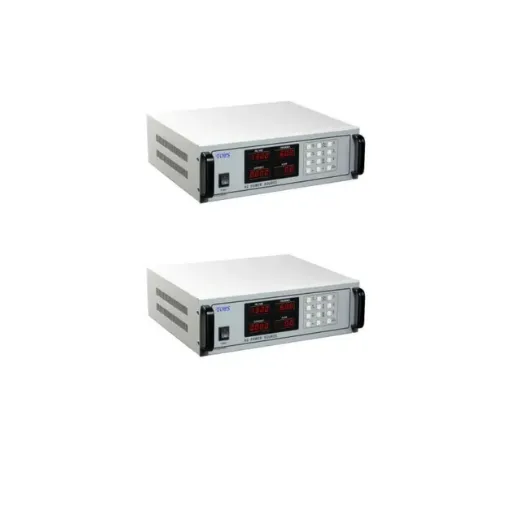 Read More

Contact Us
Recommended Products
-
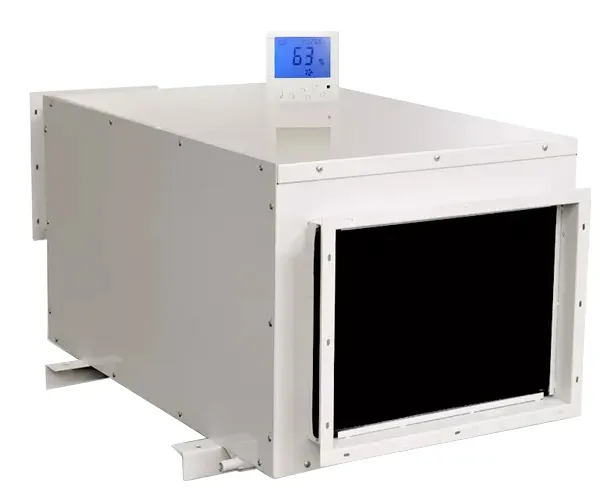
 Large Capacity Ceiling Mounted Space Saving Indoor Pool DehumidifierNegotiableMOQ: 1 Piece
 -
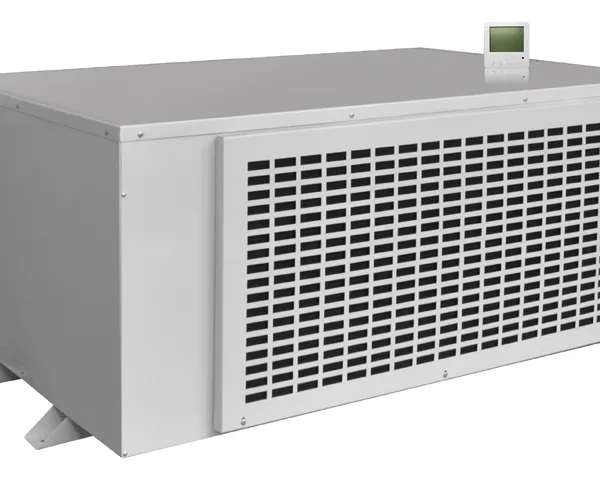
Commercial Home Use Bathroom Dehumidification Swimming Pool Ceiling Mounted Mini DehumidifierNegotiableMOQ: 1 Piece
-
Greenhouse Grow Room Industrial Ceiling Mounted Duct Indoor Pool DehumidifierNegotiableMOQ: 1 Piece
-
Duokai OEM Indoor Dehumidifier Portable Swimming Pool Dehumidifier in Stock With CENegotiableMOQ: 1 Piece
-
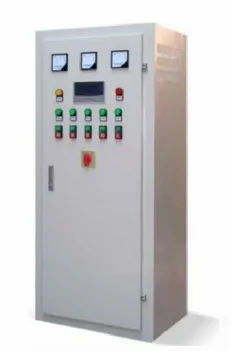
High Quality Low Voltage ODM & OEM PLC Distribution CabinetNegotiableMOQ: 1 Set
-
Saladin Type Malt Production LineNegotiableMOQ: 1 Set
-
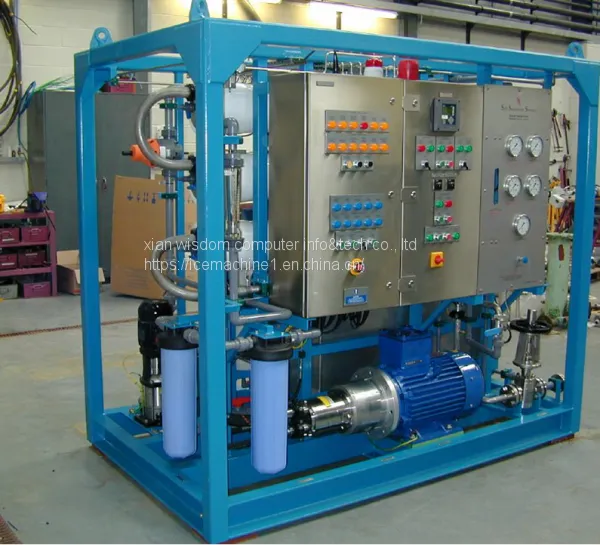
Seawater Desalination SystemUS$ 2000 - 1000000MOQ: 1 Set
-
High Speed Synthetic Lane Bowling Ball ReturnUS$ 50 - 2000MOQ: 10 Pieces
-
Reliable Automatic Six Axis Industrial Packing Robot With Self Diagnostic SystemNegotiableMOQ: 1 Piece
-
Multi-Travel Radius Six Axis Servo Robot for Custom Automation WorkstationNegotiableMOQ: 1 Piece

-
Labor Saving 6 Axis Industrial Robot Boost Workshop Production EfficiencyNegotiableMOQ: 1 Piece
-
Factory Direct Wholesale Carton Palletizer Packing Line Robot for MilkNegotiableMOQ: 1 Piece
-
Six-Axis Industrial Robotic Arm for Handling Welding Loading UnloadingNegotiableMOQ: 1 Piece
-
High-Automation High-Precision Six-Axis Metal Laser Industrial Welding RobotNegotiableMOQ: 1 Piece
-
Six-Axis Automatic Industrial Welding Robot Arm With Competitive PriceNegotiableMOQ: 1 Piece