
 Business License

Refrigeration Equipment Maintenance Questions Every Buyer Should Ask
Picture a facilities team at a mid-sized cold storage warehouse during a summer heat wave. Their main refrigeration unit fails. When they call for service, they learn the warranty requires documented quarterly maintenance that was never performed. The repair drags on for days. Spoiled inventory and emergency rental cooling eat the year's maintenance budget several times over. None of this is the equipment's fault. The team simply never asked the right refrigeration equipment maintenance questions before signing the purchase order.
This scenario is hypothetical, but the risk behind it is real. Buyers focus on capacity, price, and delivery time. Maintenance requirements often get a single line in the quotation review, if that. Yet the answers to a handful of maintenance questions can determine whether your equipment runs reliably for 15 years or becomes a recurring source of downtime and unplanned cost.
This guide gives you those questions. You'll learn what to ask about routine maintenance tasks, service documentation, spare parts, refrigerant handling, warranty conditions, and long-term support. Use it as a checklist before you finalize any refrigeration equipment purchase, whether you're evaluating refrigerated cabinets, cold rooms, or process cooling systems.
Why maintenance questions belong in the buying process
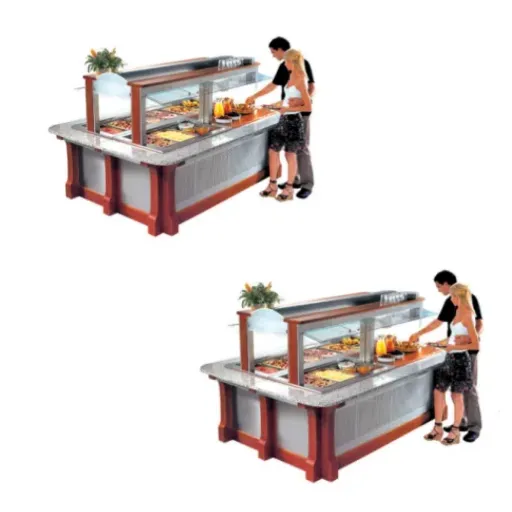
Most buyers treat refrigeration maintenance as a post-purchase topic. That's a mistake. Maintenance requirements affect total cost of ownership, staffing plans, and even equipment selection itself.
Consider a simple comparison. Unit A costs 15% less than Unit B but requires monthly condenser cleaning and a refrigerant check every quarter. Unit B needs cleaning every three months and an annual inspection. Over five years, Unit A's additional service labor can exceed the initial price difference. Without asking maintenance questions upfront, you'd never see that coming.
Maintenance requirements also vary by equipment category. Refrigerated cabinet maintenance in a supermarket, for example, looks different from servicing an industrial cold room or a process chiller. The only reliable source for model-specific requirements is the manufacturer's documentation, which you should request before ordering.
Before you compare quotations, compare maintenance obligations. Discuss your application and operating conditions so the recommended equipment category can be checked against your maintenance capacity.
Questions about routine maintenance tasks
Start with the day-to-day and month-to-month work. These questions tell you what your team must actually do, whether you operate a single display case or manage cold storage maintenance across multiple rooms.
What routine tasks does this model require?
Ask for a written maintenance schedule for the exact model under consideration. A general answer like "regular cleaning" isn't enough. The schedule should list each task, its frequency, and who can perform it.
Typical routine tasks for refrigeration equipment include:
Condenser coil cleaning: Dust and debris on condenser coils reduce heat rejection and raise energy consumption. Frequency depends on the environment, from monthly in dusty facilities to quarterly in clean rooms.
Evaporator and drain inspection: Frost patterns, blocked drains, and ice buildup affect cooling performance and hygiene.
Door gasket and seal checks: Damaged gaskets let warm air in, forcing the compressor to work harder.
Temperature and controller verification: Confirm displayed temperatures match actual conditions with a calibrated reference thermometer.
Fan and motor inspection: Listen for unusual noise and check for vibration or wear.
Ask which tasks your own staff can handle and which require a qualified technician. That distinction drives your labor planning.
How do operating conditions change the schedule?
A maintenance schedule written for a clean, climate-controlled showroom won't fit a humid seafood processing plant. Ask how the schedule changes under your actual conditions.
Factors that usually accelerate maintenance needs:
High ambient temperature: Increases condenser load and compressor run time.
High humidity or washdown environments: Raises corrosion and drainage risks.
Dusty or greasy air: Clogs coils and filters faster.
Frequent door openings: Increases frost buildup and temperature recovery work.
Continuous-duty operation: Shortens inspection intervals compared with intermittent use.
Verification required: Confirm the maintenance schedule against the current manual for the selected model, and ask the supplier to note any adjustments for your stated operating conditions.
Questions about service documentation and manuals
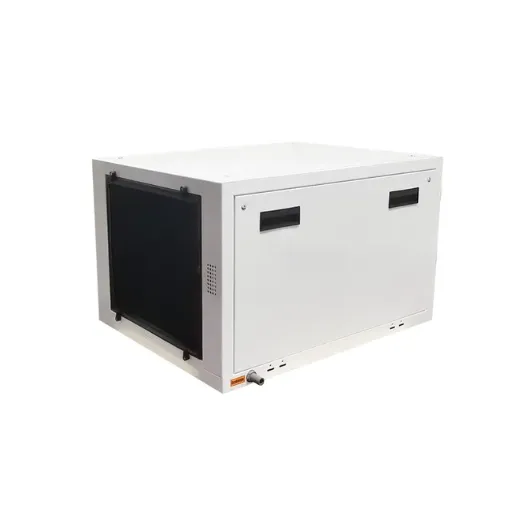
Good maintenance depends on good refrigeration equipment documentation. Before you buy, confirm exactly what documents come with the equipment.
Which documents are included with the unit?
Request a written list of the documentation supplied with the model. At minimum, expect:
User and operation manual: Covers startup, daily operation, and shutdown.
Maintenance manual: Lists tasks, intervals, required tools, and consumables.
Electrical schematic and wiring diagram: Essential for troubleshooting and safe repairs.
Refrigerant information: Type, charge quantity, and handling requirements.
Parts list or exploded diagram: Identifies components by part number for ordering.
Check the language of each document. If your maintenance team reads English, confirm an English version exists and is current. An outdated or poorly translated manual creates real operational risk.
Are the documents model-specific and current?
Documentation written for a product family can hide differences between models. A wiring diagram for a similar unit may not match yours. Ask for the document version, revision date, and the exact model numbers each document covers.
If the supplier can't produce model-specific documentation before the sale, treat that as a warning sign about post-sale support. Review the technical documentation guide for the category you're evaluating, and request the actual files rather than a promise that they exist.
Want to review documentation before committing? Request model documentation for the equipment you're evaluating, including the maintenance manual and parts list.
Questions about spare parts and consumables
Equipment downtime often comes down to one missing part. Parts questions deserve direct answers before you sign.
Which parts are considered wear items?
Every refrigeration system has components that wear out on a predictable schedule. Ask for a list of recommended spare parts with expected service life. Common wear items include:
Door gaskets and seals: Often replaced every 2 to 5 years depending on use.
Filters and driers: Protect the refrigerant circuit from moisture and contaminants.
Fan motors and belts: Subject to continuous mechanical wear.
Sensors and probes: Temperature sensors drift or fail over time.
Contactors, relays, and fuses: Electrical components with finite cycle life.
Ask which of these the supplier recommends keeping in on-site stock. A gasket that costs little but takes six weeks to ship can shut down a cold room just as effectively as a failed compressor.
How are parts supplied, and for how long?
Confirm the practical details of parts supply:
Availability period: How many years after purchase will parts remain available?
Identification: Does the parts list use clear part numbers matched to the exploded diagram?
Lead times: What are typical delivery times for common wear items to your region?
Substitutes: Are third-party or generic parts acceptable, or does the warranty require original parts?
Get the answers in writing. "Parts are available" means little without a timeframe and a process.
Questions about refrigerant and compliance
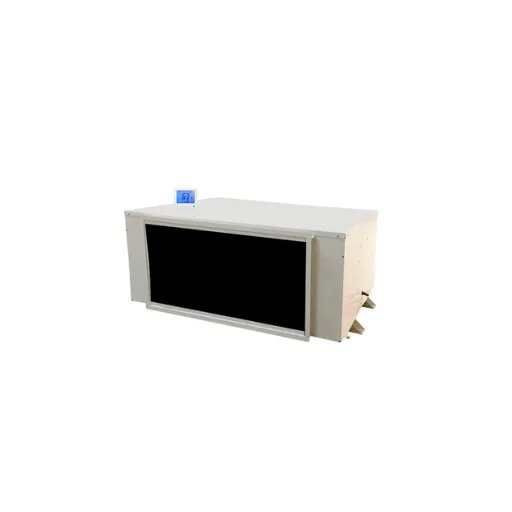
Refrigerant handling is regulated in most markets, and the rules affect maintenance planning directly. This is one area where guessing is expensive.
What refrigerant does the unit use, and what does that require?
Ask for the refrigerant type and charge quantity for the selected model. Then confirm what that means in your destination market:
Technician certification: Many refrigerants may only be handled by certified technicians. In the United States, for example, the Environmental Protection Agency (EPA) requires Section 608 certification for most refrigerant work. The European Union applies similar rules under the F-Gas Regulation for fluorinated gases.
Leak-check obligations: Some jurisdictions require periodic leak inspections based on refrigerant type and charge size, with documented records.
Availability and cost: Ask whether the refrigerant is widely available in your market and whether any phase-down schedule could raise future service costs.
Safety classification: Refrigerants such as ammonia or hydrocarbons carry specific ventilation, detection, and training requirements.
These aren't theoretical concerns. A distributor importing equipment for resale needs to know whether local technicians can legally and practically service the refrigerant inside it.
Who handles refrigerant work after the sale?
Clarify responsibility before purchase. Ask whether the supplier offers commissioning support, whether local service partners exist in your region, and what happens if a refrigerant-related fault appears during the warranty period. Request written confirmation of the support scope rather than relying on verbal assurances.
Questions about warranty conditions and maintenance records
Warranties and maintenance are linked. Many equipment warranties become void if documented maintenance wasn't performed, which is exactly what caught the Rotterdam warehouse team.
What maintenance does the warranty require?
Ask these questions in writing:
Which tasks must be performed, at what intervals, to keep the warranty valid?
Who may perform them? Some warranties require authorized technicians; others allow in-house staff with training.
What records must be kept? Maintenance logs, service reports, and dated receipts are common requirements.
What exclusions apply? Wear items, refrigerant, and damage from missed maintenance are frequently excluded.
Compare warranty terms across suppliers on this specific point. A longer warranty with strict maintenance conditions may protect you less than a shorter warranty with realistic ones.
How are service requests handled?
Understand the refrigeration equipment service process before you need it:
Contact channel: Is there a defined process for technical enquiries and service requests?
Response process: What steps follow a reported fault, and how is remote diagnosis handled?
Parts under warranty: Who pays shipping for warranty parts, and how are returns processed?
Escalation: What happens if an initial fix doesn't resolve the problem?
The company states that after-sales support is a key part of its service approach. As with any supplier, request written confirmation of the support terms for your selected model and order, including manuals, parts information, and the applicable service process.
Questions about energy performance and long-term costs
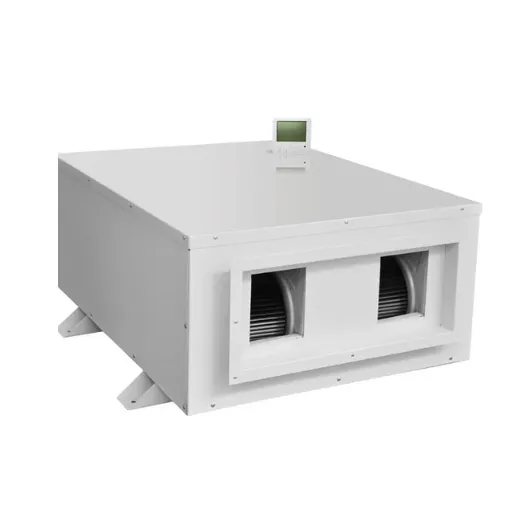
Maintenance and energy use are connected. Dirty coils, worn gaskets, and low refrigerant charge all increase power consumption. Asking about this connection helps you budget realistically.
How does maintenance affect energy consumption?
Ask the supplier for documented energy information for the model, stated with units and test conditions. Then ask how neglected maintenance changes those figures. Industry guidance consistently shows that fouled condenser coils and refrigerant undercharge can raise energy use noticeably, but the magnitude depends on the model and conditions. Treat any percentage claim as model-specific until documented.
What monitoring should we plan for?
Ask whether the equipment supports practical monitoring:
Temperature logging: Built-in or add-on data logging for compliance and diagnostics.
Alarm functions: Alerts for high temperature, door-open, or power failure.
Energy metering: Whether consumption can be tracked at the unit level.
For food storage applications, temperature records often support food safety management systems such as those aligned with ISO 22000 or HACCP principles. Confirm what your market and auditors require, then check that the equipment and its documentation can support it.
Building your refrigeration equipment maintenance questions checklist
Pull the questions from this guide into a single checklist you can send with every refrigeration equipment enquiry:
Routine tasks: Request the model-specific maintenance schedule with task frequencies.
Conditions: Ask how your environment changes that schedule.
Documentation: Confirm which manuals, schematics, and parts lists are supplied, in which language, and at which revision.
Wear parts: Get the recommended spare parts list with expected service life and lead times.
Refrigerant: Confirm type, charge, certification requirements, and local serviceability.
Warranty: Clarify maintenance conditions, record-keeping requirements, and exclusions in writing.
Support: Confirm the service request process and the scope of after-sales support for your order.
Energy: Request documented energy information and ask how maintenance affects it.
Send this checklist to every supplier you're evaluating. The quality and speed of the answers tell you as much about the supplier as the answers themselves.
Ready to put this checklist to work? Request service information and the current documentation for the model you're considering, and confirm support terms before you order.
Conclusion
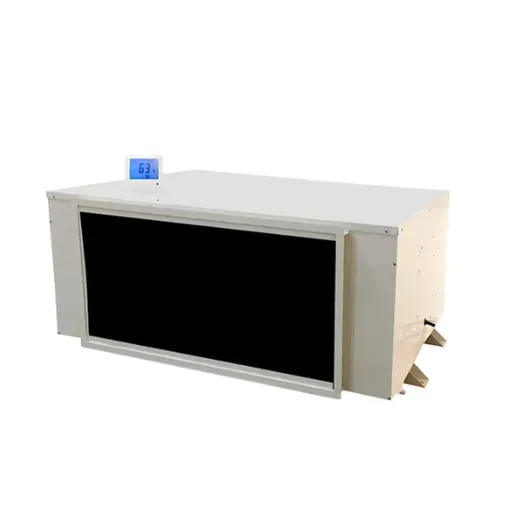
Refrigeration equipment maintenance questions belong at the start of the buying process, not after the first breakdown. The buyers who avoid expensive surprises are the ones who ask about routine tasks, documentation, spare parts, refrigerant requirements, warranty conditions, and support processes before they commit.
Here's what to take away:
Ask for model-specific maintenance schedules and adjust them for your operating conditions.
Confirm documentation including manuals, schematics, and parts lists, in a language your team reads.
Plan for wear parts with realistic stock levels and confirmed lead times.
Verify refrigerant requirements against your market's certification and leak-check rules.
Get warranty and support terms in writing, including the maintenance records needed to keep coverage valid.
XiAn Wisdom Computer Info&tech Co., Ltd lists refrigeration equipment among its stated focus areas, including refrigerated cabinets, and states that after-sales support is a stated priority. As with any supplier, confirm model-specific details and service terms with current documentation before ordering.
Recently Posted
-
Centrifugal blower selection: how to choose the right model for your application
August 12, 2026Most centrifugal blower selection mistakes are not made inside the machine. They are made before the enquiry goes out, when a buye Read More
 -
How to Select a Pump for Your Application: A Buyer's Guide
August 12, 2026In March 2026, a maintenance supervisor at a beverage plant in Monterrey filed a one-line request: "Get us a new water pump.& Read More
 -
Industrial Pump Selection: A Practical Guide for Buyers
August 12, 2026A plant engineer at a beverage bottling facility in Rotterdam ordered three pumps in March 2025, choosing them by flow rate and pr Read More
 -
How to choose water treatment equipment: a buyer's selection guide
August 12, 2026What would a failed water-quality audit cost your operation? For a food processor, a beverage plant, or a commercial facility, the Read More

Contact Us
Recommended Products
-
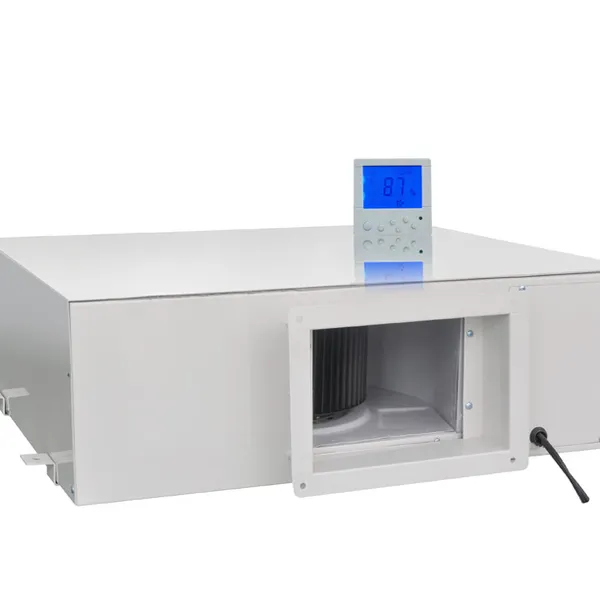
 Large Capacity Ceiling Mounted Space Saving Indoor Pool DehumidifierNegotiableMOQ: 1 Piece
 -
Commercial Home Use Bathroom Dehumidification Swimming Pool Ceiling Mounted Mini DehumidifierNegotiableMOQ: 1 Piece
-
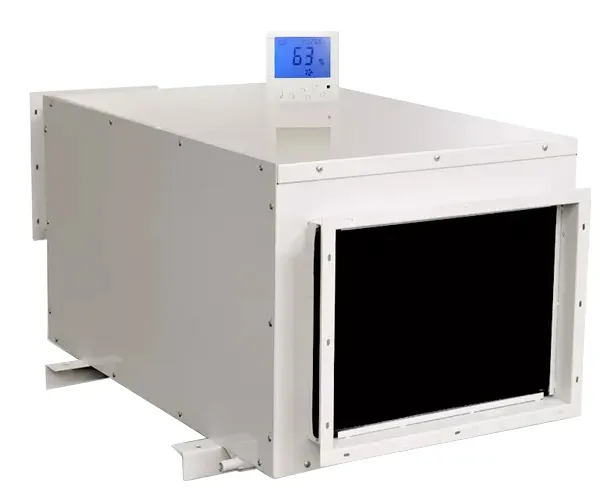
Greenhouse Grow Room Industrial Ceiling Mounted Duct Indoor Pool DehumidifierNegotiableMOQ: 1 Piece
-
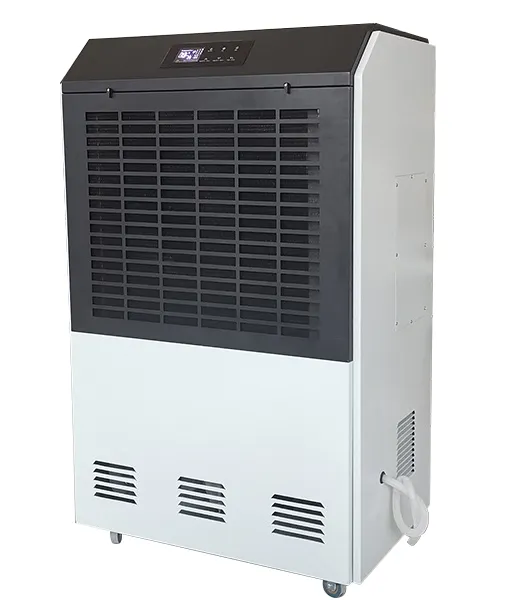
Duokai OEM Indoor Dehumidifier Portable Swimming Pool Dehumidifier in Stock With CENegotiableMOQ: 1 Piece
-
High Quality Low Voltage ODM & OEM PLC Distribution CabinetNegotiableMOQ: 1 Set
-
Saladin Type Malt Production LineNegotiableMOQ: 1 Set
-
Seawater Desalination SystemUS$ 2000 - 1000000MOQ: 1 Set
-
High Speed Synthetic Lane Bowling Ball ReturnUS$ 50 - 2000MOQ: 10 Pieces
-
Reliable Automatic Six Axis Industrial Packing Robot With Self Diagnostic SystemNegotiableMOQ: 1 Piece
-
Multi-Travel Radius Six Axis Servo Robot for Custom Automation WorkstationNegotiableMOQ: 1 Piece

-
Labor Saving 6 Axis Industrial Robot Boost Workshop Production EfficiencyNegotiableMOQ: 1 Piece
-
Factory Direct Wholesale Carton Palletizer Packing Line Robot for MilkNegotiableMOQ: 1 Piece
-
Six-Axis Industrial Robotic Arm for Handling Welding Loading UnloadingNegotiableMOQ: 1 Piece
-
High-Automation High-Precision Six-Axis Metal Laser Industrial Welding RobotNegotiableMOQ: 1 Piece
-
Six-Axis Automatic Industrial Welding Robot Arm With Competitive PriceNegotiableMOQ: 1 Piece