
 Business License

How to choose an industrial dehumidifier for a facility
A facility manager opens a storage bay and finds condensation running down a cold wall. Packaging feels damp, labels are curling, and the floor is slippery. The natural reaction is to buy a dehumidifier. The more useful reaction is to stop and define the problem first.
Choosing an industrial dehumidifier starts with the facility's actual moisture-control requirement, not with a capacity figure. This guide sets out the steps a buyer should complete before comparing models. Define the humidity target, estimate the moisture load, and check the site conditions. Then compare documented specifications and confirm the commercial information for the selected unit.
Every model is different. Capacity, operating range, power supply, drainage, and documentation vary by unit and by application. Treat this article as a selection framework. Confirm each model-specific detail against the current documentation before you order.
How do you choose an industrial dehumidifier?
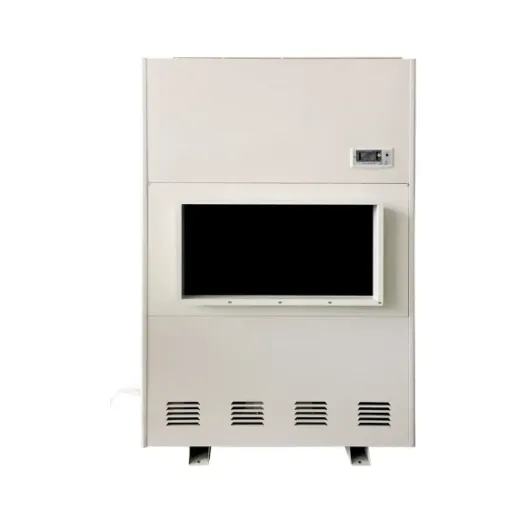
Choose an industrial dehumidifier by defining the humidity target, estimating the moisture load, and confirming the site conditions. Then compare the documented capacity, operating range, power supply, and drainage for each candidate model under the same conditions before requesting a quotation.
The sections below explain each step, the information to collect, and the documentation to confirm before you order.
Start with the facility's humidity requirement
Identify the problem the dehumidifier must solve
Different problems lead to different equipment choices. Common reasons a facility adds an industrial dehumidifier include:
Protecting stored materials, packaging, or finished products from moisture
Preventing condensation on cold surfaces, pipes, or walls
Controlling humidity for a process such as drying, coating, or packaging
Maintaining a documented humidity band for an application or certification
Reducing the risk of mold, corrosion, or product damage
Write the problem down in one sentence. A clear problem statement makes every later decision easier to test. "Prevent condensation on the concrete floor of the ground-floor storage bay" is more useful than "make the building less humid."
If you are not sure which problem matters most, describe the space, the stored goods or process, and the conditions you have observed. That description is enough to start a requirements discussion with a supplier.
Set a target relative humidity and temperature
Relative humidity (RH) is the amount of water vapour in the air compared with the maximum the air can hold at a given temperature. The same moisture content produces a different RH when the temperature changes. That is why a target is usually stated as a relative-humidity value together with a temperature condition.
Confirm what the space actually needs before you choose a target. Possible sources for the target include:
The product, material, or process specification
An industry standard or facility policy for the application
An engineer's recommendation based on the stored goods or process
Documented requirements from a customer or certification body
A target stated as "hold RH at 50% at 20 °C" is clearer than "keep the room dry." Record the value, the temperature, and the tolerance. State the margin above and below the set point. Then check whether the standard or specification you used is current for your facility and your destination market.
How capacity is stated in documentation
Equipment documentation states capacity under specific operating conditions. A rated capacity at one temperature and RH does not automatically apply at another. When you compare units, note the conditions attached to each capacity figure, including air temperature, relative humidity, and any test method or document version.
Verification required: Confirm the rated capacity, the operating conditions, and the applicable document version for each model you compare. Do not infer a specification from a category page or another model.
If you are still defining the humidity target for your facility, start with the stored goods, process, or product specification. Describe the conditions you have observed, and use that description to begin a requirements discussion with a supplier.
Estimate the moisture load and operating conditions
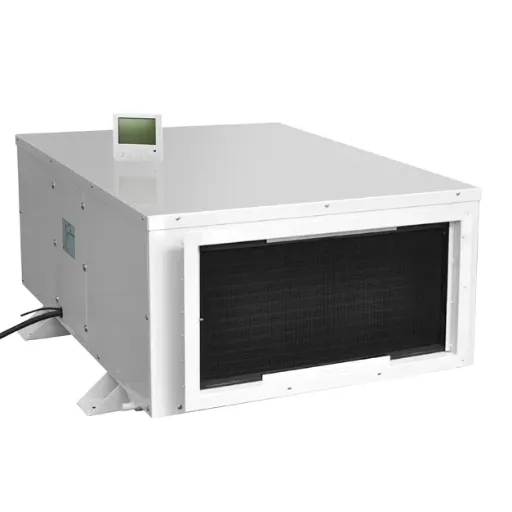
Room volume, air changes, and infiltration
An industrial dehumidifier must remove the moisture that enters the space. Estimate the sources before you choose capacity:
Room volume: Larger spaces need more moisture removal, all other factors being equal.
Air changes: Fresh-air intake brings in outdoor humidity. Each air change adds moisture the unit must remove.
Infiltration: Leaks around doors, windows, and wall openings let humid air enter.
Door and vehicle openings: Frequent openings raise the load, especially in warm, humid weather.
Record the room dimensions, the fresh-air rate, and the expected opening pattern. Then compare dehumidifiers on the same basis. If the ventilation system runs at a higher air-change rate than the space needs for humidity control, the dehumidifier must handle that extra load.
Consider a packaging room as an example. The room measures roughly 500 m2 with a 4 m ceiling, giving a volume of about 2,000 m3. The ventilation system draws in outdoor air at a set air-change rate, so each cubic metre of fresh air carries outdoor moisture into the room. The product stored there may require a relative humidity no higher than a stated value.
With those three facts, a buyer can estimate the moisture-removal rate the dehumidifier must deliver. Without them, any capacity figure is a guess.
Internal moisture sources
Moisture can come from inside the space, not only from outside air. Identify internal sources such as:
Processes that release water vapour, including washing, drying, cooking, or steam use
People and activity levels in the space
Wet products, materials, or packaging brought into the room
Water spillage, cleaning, or open water surfaces
Uninsulated cold surfaces that cause condensation
Each source changes the required moisture-removal rate. A unit selected for a quiet storage room may not suit a processing area with open water and regular traffic. Define the worst realistic condition, then size for that condition.
Ambient temperature and seasonal variation
Outdoor conditions change through the year. In warm, humid months the outdoor air carries more moisture, so the dehumidifier load rises. In cooler months the load may fall.
Consider the worst seasonal period the facility actually experiences, not a yearly average. A unit sized for average conditions may not hold the target during the peak season. Note the ambient temperature and humidity that apply to your location, and confirm that the model's operating range covers the conditions you expect.
Check utilities, drainage, and installation conditions
Power supply and electrical requirements
An industrial dehumidifier needs a confirmed electrical supply. Before comparing units, record:
Available voltage and phase, for example 220 V single-phase or 380 V three-phase
Frequency, for example 50 Hz or 60 Hz
The connection and protection requirements for the selected model
The rated input shown in the model documentation
Confirm the values against the site supply and the destination-market electrical system. A mismatch in voltage or frequency can make a unit unsuitable for the installation. Do not assume that the supply is standard for the location.
Drainage and condensate handling
A dehumidifier removes water from the air and must dispose of it. Confirm how the unit handles condensate before you install it:
Gravity drain to a floor drain or drain point
Condensate pump for routing water to a higher drain location
Collection container, where permitted and emptied on schedule
Connection requirements, hose size, and pump head for the selected model
Plan the drain location and route before purchase. A unit without a practical drain path can become a maintenance problem, especially in a space that runs continuously.
Ventilation, airflow, and clearance
Airflow affects performance. Confirm the airflow the unit requires and whether the space allows it to circulate air properly:
Clearance around the unit for intake, discharge, and service access
An airflow path free of obstructions and blocked returns
Ventilation that does not continuously introduce humid outdoor air
The temperature of the air reaching the unit
A unit installed in a tight corner or behind storage will not condition the space evenly. Confirm the dehumidifier installation requirements, including clearance and airflow, from the model documentation before you commit to a location.
Operating temperature range
Dehumidification technology has limits. Refrigerant-based units reduce capacity at low air temperatures, while desiccant-based units can operate across a wider temperature range. The right category depends on the air temperature in the space.
Confirm the minimum and maximum operating temperature for each model, and check it against the coldest and warmest conditions the unit will see. Do not rely on a category description alone when the temperature range decides whether the unit can work.
Compare industrial dehumidifier models
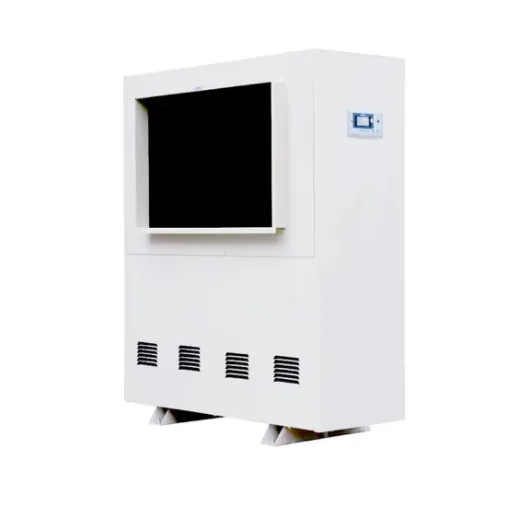
Dehumidifier categories at a general level
Two broad categories are common in industrial dehumidification:
Refrigerant or condensation dehumidifiers: Cool the air so moisture condenses. They work within a stated temperature range and are common where temperatures stay moderate.
Desiccant dehumidifiers: Use a drying material to remove moisture. They can operate at lower temperatures and in conditions where refrigerant units lose capacity.
These are general categories, not a recommendation for a specific model. Confirm which category fits the operating conditions, then compare the current documentation for the specific units under review.
Capacity, airflow, and operating range
Dehumidifier capacity is commonly stated as a moisture-removal rate, for example litres per day, at specified conditions. When you compare models:
Note the temperature and RH at which each capacity figure is rated
Compare like-for-like conditions rather than different operating points
Check airflow and how the unit distributes conditioned air
Confirm the operating range covers the facility's conditions
Record the document version for each specification
Two units with the same headline capacity can behave differently in a real space if the rated conditions differ. Request the capacity information for the conditions that match your facility.
How to compare models fairly
Build a comparison table with the same fields for every model. Suggested fields include:
Model number and document version
Rated capacity and the operating conditions for that rating
Airflow and operating temperature range
Power supply requirements and rated input
Dimensions, weight, and installation clearance
Drainage and condensate options
Applicable documentation and any stated standards
Compare only information from current, approved documentation. If a field is missing, request it rather than assuming a value.
Energy and operating information
Energy use is a legitimate selection factor, but it must be confirmed for the specific model and operating conditions. Request the current operating and efficiency information for the unit you are evaluating, including the conditions that affect the figures.
Do not rely on a general claim that a category is energy saving. Ask for documented, model-specific operating data that applies to your application, and record the source and conditions.
When you are ready to compare specific units, request the current documentation for each model under review. Confirm the operating conditions and document version with each request so the comparison stays like-for-like.
Plan for operation and maintenance
Confirm the maintenance tasks from the manual
An industrial dehumidifier works reliably when the routine tasks are understood before installation. Use the manual for the selected model to confirm the maintenance schedule, not a generic checklist. Common tasks to check include:
Cleaning or replacing filters
Clearing the drain line and checking the condensate route
Cleaning the cooling coils or the desiccant system as the manual requires
Checking airflow intake and discharge for obstructions
Recording operating conditions and any error codes
Assign an owner for the routine checks. A condensate line that is hard to reach will not be cleaned on schedule. A filter hidden behind stacked pallets will be ignored. Plan the service route while the space is still being set up.
Spare parts and service information
Confirm which parts the facility may need to replace and how those parts are supplied for the selected model. Ask for written information covering the support process, parts availability, and any warranty terms that apply to the order.
The company states that after-sales support is a central part of its service approach. Request the applicable service information for the specific unit and destination market, and confirm the terms in writing before you order.
Confirm commercial, documentation, and support information
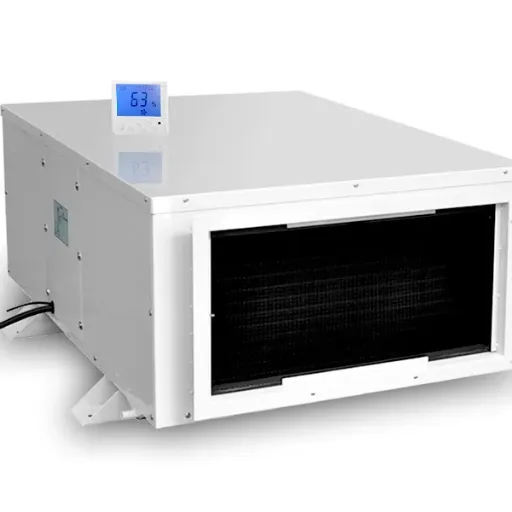
Documentation to request before ordering
Before you request a quotation or place an order, compile the dehumidifier documentation you need:
Current datasheet for the exact model
Manual covering installation, operation, and maintenance
Wiring and electrical information where applicable
Capacity information at your operating conditions
Any certificates or compliance documents that apply to the model and market
Request the documentation in writing and confirm the document version. Keep the model number and application details with the request so the response matches the unit you are evaluating.
Destination-market and compliance checks
Confirm the requirements that apply to the facility's location and the destination market before you finalize an order:
Electrical system voltage and frequency
Applicable safety and electrical standards
Local compliance or documentation requirements for the equipment
Conditions that affect installation, drainage, or operation
The company states that its products are exported to several regions. Public content and purchase decisions should rely on approved evidence for the specific model and market. Confirm what documentation applies before making a compliance claim.
Industrial dehumidifier selection checklist
Work through these steps before you compare dehumidifiers or request a quotation. The checklist assumes that an industrial dehumidifier is the appropriate answer to the moisture problem you defined in the first section:
State the moisture problem in one sentence.
Record the target RH, temperature, and tolerance.
Estimate the room volume, air changes, and infiltration.
List the internal moisture sources and the worst realistic condition.
Confirm the power supply: voltage, phase, frequency, and connection.
Plan drainage and condensate removal.
Check ventilation, airflow, and installation clearance.
Confirm the operating temperature range for the space.
Request current documentation for each candidate model.
Compare capacity and specifications at the same operating conditions.
Confirm energy and operating information for the specific model.
Confirm maintenance tasks, spare parts, and service terms.
Confirm warranty, support, and destination-market documentation.
A complete checklist produces a better-qualified enquiry. It also makes quotations easier to compare, because every supplier answers the same set of requirements. Send the completed checklist with your enquiry so the response addresses your actual site conditions.
Conclusion
Choosing an industrial dehumidifier for a facility is a verification process, not a purchase decision based on a headline capacity. Define the humidity target, estimate the moisture load, confirm the utilities and installation conditions, and compare documented specifications at the same operating conditions.
Before you order, request the current documentation for the selected model and confirm the commercial and support terms in writing. XiAn Wisdom Computer Info&tech Co., Ltd lists dehumidification equipment among its product categories. Discuss your application, humidity target, site conditions, and power requirements so the suitable equipment category and available models can be reviewed against your needs.
Recently Posted
-
Centrifugal blower selection: how to choose the right model for your application
August 12, 2026Most centrifugal blower selection mistakes are not made inside the machine. They are made before the enquiry goes out, when a buye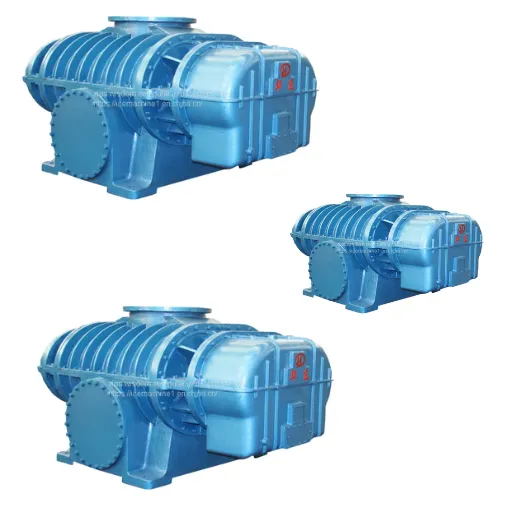 Read More
 -
How to Select a Pump for Your Application: A Buyer's Guide
August 12, 2026In March 2026, a maintenance supervisor at a beverage plant in Monterrey filed a one-line request: "Get us a new water pump.&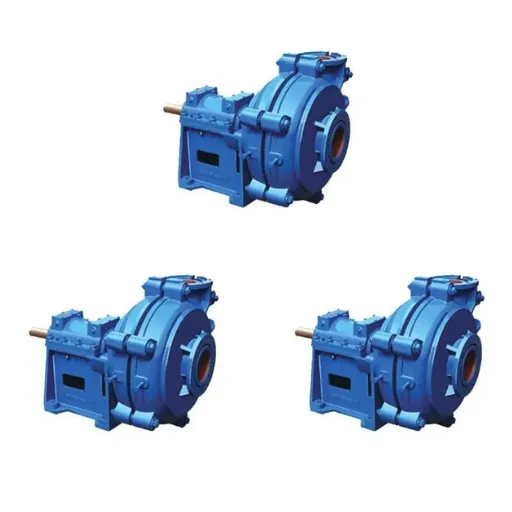 Read More
 -
Industrial Pump Selection: A Practical Guide for Buyers
August 12, 2026A plant engineer at a beverage bottling facility in Rotterdam ordered three pumps in March 2025, choosing them by flow rate and pr Read More
 -
How to choose water treatment equipment: a buyer's selection guide
August 12, 2026What would a failed water-quality audit cost your operation? For a food processor, a beverage plant, or a commercial facility, the Read More

Contact Us
Recommended Products
-
 Large Capacity Ceiling Mounted Space Saving Indoor Pool DehumidifierNegotiableMOQ: 1 Piece
 -
Commercial Home Use Bathroom Dehumidification Swimming Pool Ceiling Mounted Mini DehumidifierNegotiableMOQ: 1 Piece
-
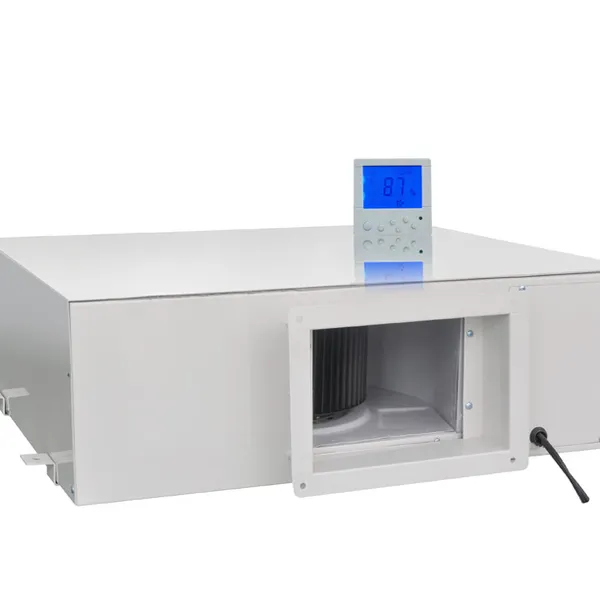
Greenhouse Grow Room Industrial Ceiling Mounted Duct Indoor Pool DehumidifierNegotiableMOQ: 1 Piece
-
Duokai OEM Indoor Dehumidifier Portable Swimming Pool Dehumidifier in Stock With CENegotiableMOQ: 1 Piece
-
High Quality Low Voltage ODM & OEM PLC Distribution CabinetNegotiableMOQ: 1 Set
-
Saladin Type Malt Production LineNegotiableMOQ: 1 Set
-
Seawater Desalination SystemUS$ 2000 - 1000000MOQ: 1 Set
-
High Speed Synthetic Lane Bowling Ball ReturnUS$ 50 - 2000MOQ: 10 Pieces
-
Reliable Automatic Six Axis Industrial Packing Robot With Self Diagnostic SystemNegotiableMOQ: 1 Piece
-
Multi-Travel Radius Six Axis Servo Robot for Custom Automation WorkstationNegotiableMOQ: 1 Piece

-
Labor Saving 6 Axis Industrial Robot Boost Workshop Production EfficiencyNegotiableMOQ: 1 Piece
-
Factory Direct Wholesale Carton Palletizer Packing Line Robot for MilkNegotiableMOQ: 1 Piece
-
Six-Axis Industrial Robotic Arm for Handling Welding Loading UnloadingNegotiableMOQ: 1 Piece
-
High-Automation High-Precision Six-Axis Metal Laser Industrial Welding RobotNegotiableMOQ: 1 Piece
-
Six-Axis Automatic Industrial Welding Robot Arm With Competitive PriceNegotiableMOQ: 1 Piece