
 Business License

Refrigeration Equipment Selection: How to Choose the Right Equipment
Rosa manages a cold-storage facility that added a new refrigerated cabinet last spring. On paper, the unit looked fine. By midsummer, the room temperature drifted, the compressor cycled unevenly, and the utility bill climbed.
The cabinet was not the real problem. The selection had been based on a rough capacity figure, not the facility's actual operating conditions.
That experience is common. Refrigeration equipment selection most commonly fails when a buyer treats it as a single-number decision.
A model that performs well in one site can struggle in another. The application, ambient conditions, utilities, and documentation all matter. This guide covers five steps: the application, the site, documented model information, commercial terms, and installation and maintenance planning.
By the end, you'll have a checklist you can use before you request a quotation. You'll also know which documents to ask for and which conditions to confirm with the supplier.
What refrigeration equipment selection involves
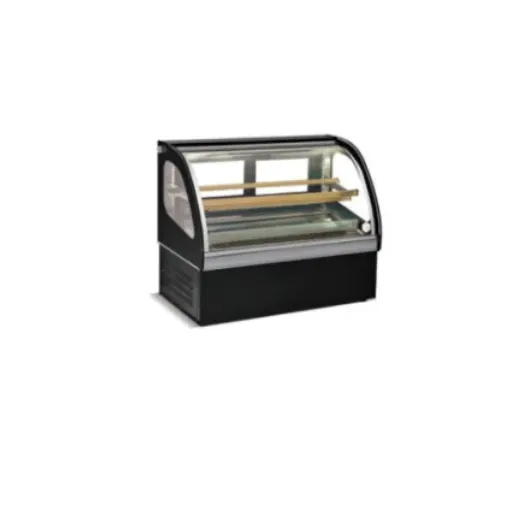
Refrigeration equipment selection is the process of matching a cooling, storage, or process requirement to a documented model under defined operating conditions. For most commercial and industrial buyers, the equipment in scope includes refrigerated cabinets, cold rooms, and other refrigeration units used for storage, display, processing, or temperature control.
XiAn Wisdom Computer Info&tech Co., Ltd includes refrigeration equipment among its stated focus areas, alongside dehumidification, electromechanical, and water-treatment equipment. Availability and specifications require confirmation for each enquiry. Selection guidance, therefore, helps a buyer identify the right category and prepare the information needed before a specific model is discussed.
Why does selection matter? A mismatch shows up in different ways: temperature drift under load, excessive compressor cycling, higher operating costs, and earlier service requirements. Most of these problems are avoidable when the buyer defines requirements first and verifies the chosen model against current documentation.
Step 1: Define the application and required conditions
Selection starts with the application, not with a catalogue page. Before comparing models, write down exactly what the equipment must do.
What are you cooling, storing, or processing?
Name the product or material and the reason it needs refrigeration. A pharmaceutical cold-storage requirement differs from a beverage display or a food-processing buffer. Each application carries different temperature, hygiene, load, and operating expectations.
Prepare these details:
The product or material being cooled or stored.
The intended use: storage, display, processing, or buffer.
Expected load patterns, including peak periods and door openings.
The temperature range the product must be kept within.
Operating temperature and ambient conditions
Every refrigeration system works against an ambient environment. The required storage or process temperature is only half of the equation. The ambient temperature, humidity, and ventilation in the equipment room affect how the unit performs.
A useful illustration: a cabinet set for 2 to 8 °C behaves differently in an unconditioned warehouse at 35 °C than in an air-conditioned area at 25 °C. The difference isn't a defect. It's a heat load the system must remove.
That load affects sizing and operating behavior. Confirm the intended ambient range with the supplier. Don't assume a single rating applies everywhere.
Capacity, volume, and daily use
Define the capacity in units you can verify. For refrigerated cabinets, that may be storage volume or usable shelf area. For process refrigeration, it may be a daily throughput or a heat load. Record the hours of operation, the frequency of loading, and the temperature recovery time required after loading.
Capacity figures are model-specific. Don't infer a capacity from the equipment category or from a similar-looking unit. Request the current datasheet and confirm the conditions under which the stated figure applies.
Refrigerant and environmental factors
Note the refrigerant type and any regulation dates that apply in your market. Refrigerant selection affects performance, compliance, and future service options.
If a model uses a regulated refrigerant, confirm the applicable rules and the documentation the supplier can provide. Buyers and suppliers commonly reference guidance from bodies such as the U.S. EPA and ASHRAE when checking these requirements.
Step 2: Check site and utility conditions
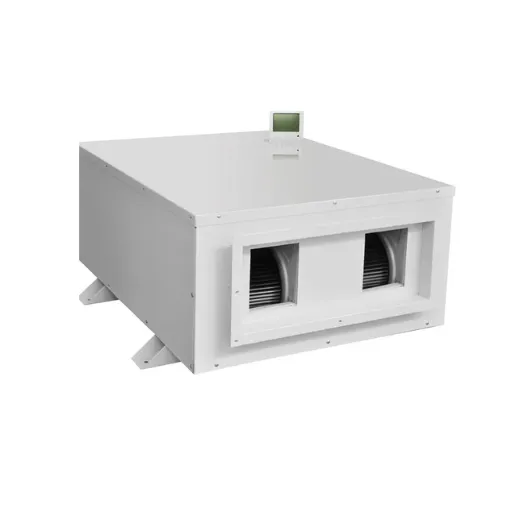
Site conditions decide whether a technically suitable model can actually run in your facility. Collect these before you ask for a quotation.
| Site condition | Why it matters |
|---|---|
| Power supply | Voltage, phase, and frequency must match the model |
| Ventilation | Blocked airflow raises the ambient temperature and load |
| Space and access | Clearances, door swing, and delivery route affect fit |
| Drainage | Condensate needs a drain point or a pump |
| Floor and structure | Weight and vibration need a suitable surface |
Power supply and voltage
Confirm the available power at the installation point: voltage, phase, frequency, and available current. Common industrial supplies include 380 V / 50 Hz and 208-230 V / 60 Hz, but local conditions vary. A model built for one supply may require a different configuration. Note the supply in your enquiry.
Ventilation and heat rejection
A refrigeration system removes heat from the product and rejects it to the surrounding air. If the room is sealed or undersized, the rejected heat raises the ambient temperature, and the system works harder. Check for airflow around the condenser, and note any restrictions such as shelves, walls, or adjacent equipment.
Space, access, and installation clearances
Measure the space where the equipment will sit, including door swing, service access, and the clearances the manufacturer specifies. Confirm how the unit will reach the location. A cabinet that fits the plan dimensions can still fail to pass through a doorway or down a stairwell.
Drainage and condensate handling
Most refrigeration equipment produces condensate. Confirm the drainage arrangement: a floor drain, a condensate pump, or a tray that requires emptying. The water load is small per cycle, but an unplanned drainage point is a common installation surprise.
Step 3: Compare documented model information
Once the application and site are clear, compare candidate models using their current documentation. This is where most buyers save time and avoid mistakes.
Which specifications to compare
Build a like-for-like comparison. Compare each model under the same operating conditions. Don't compare a peak rating from one datasheet with a continuous rating from another.
| Specification | What to confirm |
|---|---|
| Model number | Exact model and document version |
| Capacity | Volume or throughput under stated conditions |
| Dimensions | External size and required clearances |
| Power input | Voltage, phase, frequency, connected load |
| Temperature range | Storage or process range and ambient limits |
| Refrigerant | Type and applicable regulations |
| Documentation | Datasheet, manual, installation guide |
A comparison table is only as useful as its source. State the document version and the conditions for each figure. If a specification is missing, request it instead of assuming. Don't guess.
Request the current documentation
Ask the supplier for the datasheet, operating manual, installation guide, and any test or inspection documentation that applies to the model under consideration. Confirm the document version and the model scope. For OEM or custom projects, also confirm drawings, tolerances, and the intended equipment.
Confirm operating conditions with the supplier
A datasheet lists ratings, but ratings apply under stated conditions. Confirm how the model behaves at your ambient temperature, at your load pattern, and after frequent door openings. A documentation-first request is a normal part of the enquiry process.
Step 4: Confirm commercial and support information
Technical fit is necessary, but the commercial and support picture matters just as much. Confirm these items in writing.
Consider a procurement officer named Tomas who received three quotations for the same application. The lowest price looked attractive until he compared the supporting documents.
One quotation named a specific model with a datasheet. Another described only a product category with no model number. Tomas requested the missing documentation and confirmed the voltage and ambient conditions for his site.
The cheapest option was not the one that matched his requirements.
Quotation, lead time, and minimum order quantity
Ask for a quotation that names the model, quantity, applicable units, and conditions. Confirm the lead time and the minimum order quantity (MOQ), and state what each price covers. Request that commercial terms are tied to the relevant model and order conditions rather than to a broad category.
Payment, shipping, and delivery
Confirm the payment terms, delivery basis, and shipping arrangement for the order. Ask what the quoted price includes, such as packaging, export documentation, or destination-country compliance documents. Delivery times and commercial conditions are order-specific, so confirm them in writing for the model and quantity you plan to order.
Warranty, after-sales support, and parts
Ask which warranty terms apply, what the support process covers, and which spare parts and manuals are available. Confirm these for the selected model and destination market.
XiAn Wisdom Computer Info&tech Co., Ltd states that after-sales support is central to its service approach. Public claims about coverage or response times still need approved service terms. Request written clarification for your specific order.
Destination-market and compliance requirements
Confirm the electrical, safety, and environmental requirements for the destination country. Refrigerant selection, for example, is increasingly regulated. The U.S. Environmental Protection Agency (EPA) and the American Society of Heating, Refrigerating and Air-Conditioning Engineers (ASHRAE) publish guidance and standards that buyers and suppliers reference. Confirm which standards apply to your market and request the applicable documentation.
Step 5: Plan for installation and maintenance
A model can be technically correct and commercially confirmed, yet still fail if installation and maintenance are not planned.
Installation and commissioning
Plan the installation before delivery. Confirm who supplies the power, drainage, and structural support, and who commissions the unit. Ask for the installation guide and confirm the clearances, ventilation, and start-up requirements.
Maintenance and spare parts
Ask which maintenance tasks are required and at what intervals, including cleaning of condenser coils and checking of door seals. Confirm which spare parts are available and how they are sourced. A documented maintenance plan protects operating cost and service life.
A facilities lead named Ines tracked why two similar cabinets performed differently after two years. The difference was not the equipment.
One unit received regular condenser cleaning and seal checks. The other sat in a dusty alcove with blocked airflow. The documented maintenance plan explained most of the gap in operating cost.
Operating cost and energy information
When energy use matters to the decision, request documented operating information for the specific model and conditions. Don't rely on a general efficiency claim. Energy-related figures must be confirmed for the model, ambient conditions, and duty pattern you plan to use.
What should you confirm before choosing refrigeration equipment?
Confirm five things: the application and required temperature range, the site and utility conditions, the current documentation for each candidate model, the commercial and support terms, and the installation and maintenance plan. Verify the selected model's datasheet under the same operating conditions you plan to use before you request a quotation.
Common refrigeration equipment selection mistakes
Most selection errors trace back to the same habits:
Choosing by price alone without checking installation and utility conditions.
Comparing ratings from different documents or operating conditions.
Assuming one model suits every site because the category matches.
Ordering without confirming the current datasheet and manual.
Leaving drainage, ventilation, or power unplanned until delivery.
A structured checklist prevents most of these errors. Define the application, verify the site, compare documented data, confirm commercial terms, and plan the installation. That's the whole process in one line.
Conclusion
Rosa's cabinet taught her team the value of a structured selection process. The follow-up order was specified against the facility's actual operating conditions, and the model documentation was confirmed before delivery. The lesson applies beyond one facility: refrigeration equipment selection works best when it starts with the application and ends with verified information.
Before you request a quotation, prepare five items:
The application and required temperature range.
The site and utility conditions.
The current documentation for each candidate model.
The commercial and support terms.
The installation and maintenance plan.
Then confirm the selected model's specifications and current documentation with the supplier.
If you're evaluating refrigeration equipment for a facility, discuss your application requirements and request the current product documentation so the model can be checked against your operating conditions.
Confirming those details before you order saves time, avoids installation surprises, and gives you a sound basis for comparing offers.
Recently Posted
-
Centrifugal blower selection: how to choose the right model for your application
August 12, 2026Most centrifugal blower selection mistakes are not made inside the machine. They are made before the enquiry goes out, when a buye Read More
 -
How to Select a Pump for Your Application: A Buyer's Guide
August 12, 2026In March 2026, a maintenance supervisor at a beverage plant in Monterrey filed a one-line request: "Get us a new water pump.& Read More
 -
Industrial Pump Selection: A Practical Guide for Buyers
August 12, 2026A plant engineer at a beverage bottling facility in Rotterdam ordered three pumps in March 2025, choosing them by flow rate and pr Read More
 -
How to choose water treatment equipment: a buyer's selection guide
August 12, 2026What would a failed water-quality audit cost your operation? For a food processor, a beverage plant, or a commercial facility, the Read More

Contact Us
Recommended Products
-
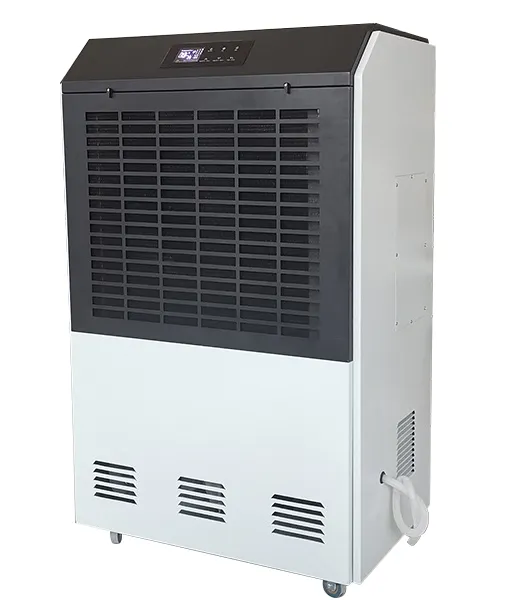
 Large Capacity Ceiling Mounted Space Saving Indoor Pool DehumidifierNegotiableMOQ: 1 Piece
 -
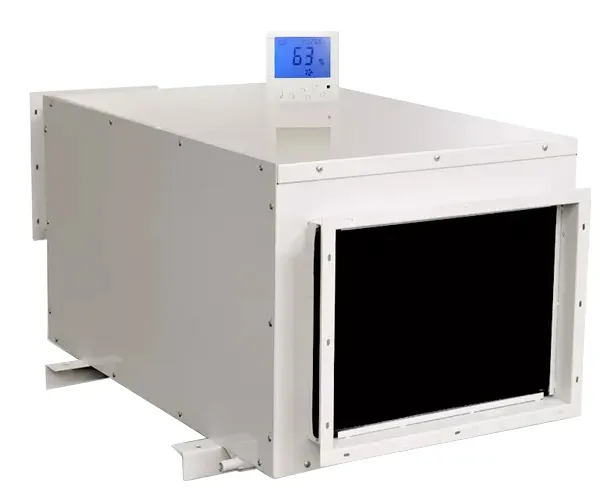
Commercial Home Use Bathroom Dehumidification Swimming Pool Ceiling Mounted Mini DehumidifierNegotiableMOQ: 1 Piece
-
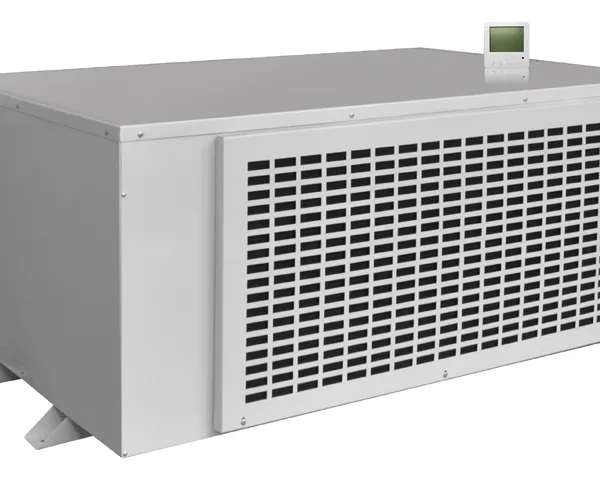
Greenhouse Grow Room Industrial Ceiling Mounted Duct Indoor Pool DehumidifierNegotiableMOQ: 1 Piece
-
Duokai OEM Indoor Dehumidifier Portable Swimming Pool Dehumidifier in Stock With CENegotiableMOQ: 1 Piece
-
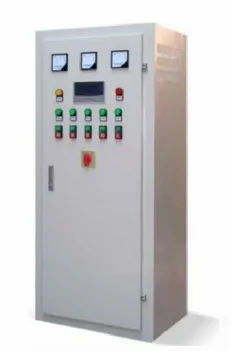
High Quality Low Voltage ODM & OEM PLC Distribution CabinetNegotiableMOQ: 1 Set
-
Saladin Type Malt Production LineNegotiableMOQ: 1 Set
-
Seawater Desalination SystemUS$ 2000 - 1000000MOQ: 1 Set
-
High Speed Synthetic Lane Bowling Ball ReturnUS$ 50 - 2000MOQ: 10 Pieces
-
Reliable Automatic Six Axis Industrial Packing Robot With Self Diagnostic SystemNegotiableMOQ: 1 Piece
-
Multi-Travel Radius Six Axis Servo Robot for Custom Automation WorkstationNegotiableMOQ: 1 Piece

-
Labor Saving 6 Axis Industrial Robot Boost Workshop Production EfficiencyNegotiableMOQ: 1 Piece
-
Factory Direct Wholesale Carton Palletizer Packing Line Robot for MilkNegotiableMOQ: 1 Piece
-
Six-Axis Industrial Robotic Arm for Handling Welding Loading UnloadingNegotiableMOQ: 1 Piece
-
High-Automation High-Precision Six-Axis Metal Laser Industrial Welding RobotNegotiableMOQ: 1 Piece
-
Six-Axis Automatic Industrial Welding Robot Arm With Competitive PriceNegotiableMOQ: 1 Piece