
 Business License

Dehumidifier installation and drainage requirements: a buyer's guide
In March 2024, a maintenance team at a seafood processing plant installed a commercial dehumidifier without checking the drain slope. By the second week, condensate backed up into the electrical panel and forced a two-day shutdown. The repair bill exceeded the price of the unit. Most buyers focus on capacity and price, but installation and drainage are what make the unit work safely over time.
If you are preparing to install an industrial or commercial dehumidifier, the right setup starts long before the unit is unpacked. This guide explains the dehumidifier installation and drainage requirements that buyers should review before ordering: site conditions, power requirements, placement checks, drainage options, safety considerations, and commissioning. Use it to prepare a clear requirement list before requesting a quotation or finalizing an order.
The U.S. Environmental Protection Agency emphasizes that controlling indoor moisture is the first step in limiting mold growth in damp spaces.
Verification required: Confirm every specification in this guide against the current datasheet and installation manual for the exact model under consideration. Do not assume that one dehumidifier category has the same requirements as another.
Start with the application and site conditions
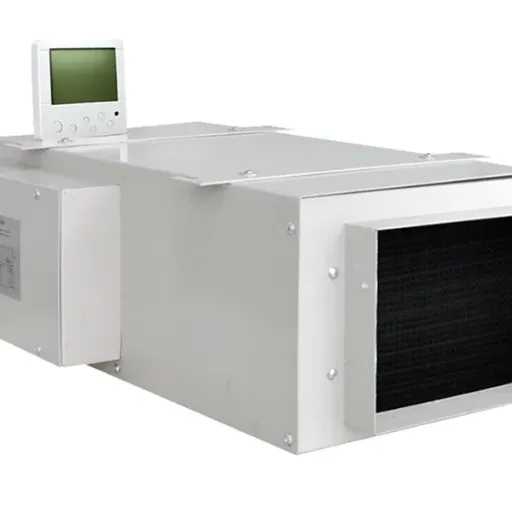
A dehumidifier is not chosen by capacity alone. The intended application defines the humidity target, the operating temperature range, the expected moisture load, and the running schedule. Start by recording the following:
Application: Is the goal protecting stored goods, controlling condensation on production lines, drying a construction site, or maintaining comfort in a conditioned space?
Target humidity: What relative humidity level must the space maintain under normal operation?
Operating temperature: Dehumidifiers behave differently at 5 °C than at 25 °C. Confirm the minimum and maximum ambient temperature.
Moisture sources: People, open water, fresh produce, wash-down cycles, and outside air can all add moisture.
Running hours: Will the unit run continuously, or only during production shifts?
When Lin, a procurement manager for a cold-storage distributor, prepared her enquiry, she listed the room size, the stored products, the door-opening frequency, and the local power supply. That simple list saved two rounds of specification questions and let the supplier recommend a model with the correct drainage arrangement on the first attempt.
A clear application summary also helps the supplier confirm whether the quoted model is suitable for the destination market. Electrical frequency, voltage, and plug or terminal types vary by country. Request written confirmation that the selected model matches the site supply.
Capacity ratings are often based on test conditions defined by standards such as the AHAM dehumidifier standards, so confirm the test conditions used for the model.
Want to prepare your requirement list before contacting a supplier? Review an equipment selection checklist to organize the information you will need.
Installation requirements for placement, clearance, and power
Where the dehumidifier sits affects its performance, service access, and safety. Before finalizing the location, check the following:
Clearance and airflow
Dehumidifiers need free air movement across the coil and exhaust. Blocked airflow reduces capacity and can overheat the compressor. The installation manual should state the minimum clearance on each side, above, and in front of the unit. Common recommendations include at least 150 mm to 300 mm on the sides and back and clear space in front of the air intake or outlet.
Do not place the unit against a wall that blocks the discharge air, inside a cupboard, or behind stored goods. If the unit has a top outlet, confirm ceiling height and any overhead obstructions. For ducted installations, verify that the duct size, length, and bends match the fan performance curve in the datasheet and the relevant ASHRAE standards.
Floor loading and leveling
Large industrial dehumidifiers can weigh hundreds of kilograms when filled with water or refrigerant. Confirm that the floor can support the static and dynamic load. Castors make relocation easier, but they do not remove the need for a level surface. A unit that rocks or tilts can cause condensate to pool unevenly, trigger float switches, or strain the compressor.
Electrical supply
Check the nameplate and datasheet for:
Voltage and phase: Common ratings include 220-240 V single phase and 380-415 V three phase.
Frequency: 50 Hz or 60 Hz must match the local grid.
Circuit size: The unit may need a dedicated circuit with a specific breaker rating.
Earth/ground connection: Metal-cased industrial units need a reliable earth connection.
Control wiring: Ducted or remote-humidistat models may require low-voltage control cables.
Do not rely on a generic electrical specification. A 415 V unit connected to a 230 V supply will not run correctly, and an undersized circuit can trip repeatedly. Ask the supplier for the electrical drawing and recommended protection device before installation.
If you are comparing dehumidifier options, an industrial dehumidifier selection guide can help you match the application to the right category.
Dehumidifier drainage options and installation checks
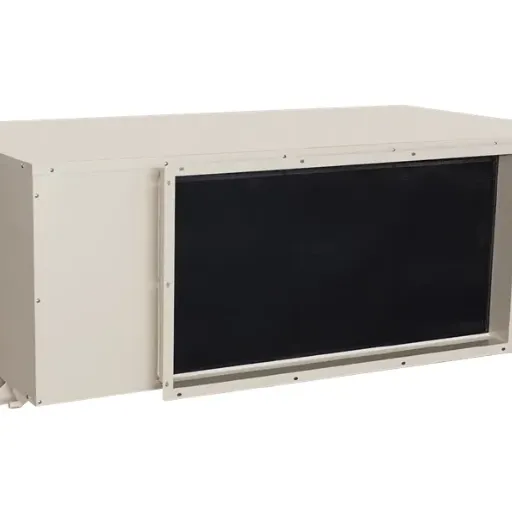
The drainage system is the part most often underestimated. A dehumidifier can produce many liters of water per day, and that water has to go somewhere reliably. Understanding dehumidifier drainage options before ordering prevents overflow and water damage.
Gravity drainage
The simplest method is a gravity drain to a floor drain, sink, or soak-away. For gravity drainage to work:
The drain outlet on the unit must be higher than the drain point.
The hose or pipe must slope continuously toward the drain.
The hose should be short enough to avoid kinks and sagging.
The drain must be able to handle the peak flow rate on the hottest, most humid day.
A common rule of thumb is a minimum slope of 2%, or roughly 20 mm drop per meter of run. Check the manual for the recommended hose diameter; using a smaller hose can cause backups.
Condensate pumps
When a nearby drain is lower than the unit, or when the drain is far away, a condensate pump moves water uphill or across a longer distance. Key points to confirm:
Pump head and flow: The pump must lift the water to the required height and deliver the expected flow rate.
Reservoir and float: Understand the pump reservoir size, the float switch behavior, and what happens during a power outage.
Noise and vibration: Locate the pump where noise will not disturb the workspace.
Alarm or safety shutoff: Some pumps include a high-level alarm that shuts the dehumidifier down if the pump fails.
Condensate pumps add a maintenance item, so ask for the cleaning interval and replacement part numbers.
Drain line materials and routing
Use materials that resist algae growth and can handle the condensate temperature. Rigid PVC or reinforced hose is common. Avoid materials that collapse under vacuum if a pump is used. Route the line so it cannot be tripped over, crushed by pallets, or damaged by cleaning equipment. In food or pharmaceutical spaces, the drain must meet local hygiene standards.
Cold-weather and contamination precautions
If the drain line runs through an unheated area, the condensate can freeze and block the pipe. Insulate the line, route it through heated space, or use a trace heater if low temperatures are expected. Also make sure the drain terminates in a location that will not reintroduce moisture into the space or create slip hazards.
Verification required: Confirm the condensate flow rate, drain connection size, recommended hose diameter, and maximum pump lift from the model documentation before ordering accessories.
Dehumidifier installation checklist
A methodical installation reduces callbacks and protects warranty coverage. Use the following dehumidifier installation checklist during commissioning:
Inspect on delivery: Check the unit for shipping damage before signing. Note any dents, leaks, or missing parts.
Position and level: Move the unit to its final location, leave the required clearances, and check that it is level.
Connect power: Have a qualified electrician connect the supply according to the local wiring rules and the manufacturer drawing.
Install drainage: Fit the drain hose or condensate pump, check the slope, and test the path with clean water.
Set controls: Program the target humidity, fan speed, defrost schedule, and any timer or remote sensor inputs.
Commission: Run the unit for several hours while monitoring inlet and outlet conditions, drain flow, and control behavior.
Record settings: Write down the final setpoints and the installation date for future service visits.
When the maintenance team at a regional logistics warehouse followed this checklist, they discovered that their floor drain was partially blocked before the unit was connected. Cleaning the drain took 20 minutes and prevented the standing-water problems that had affected an earlier installation at a different site.
Safety and compliance checks
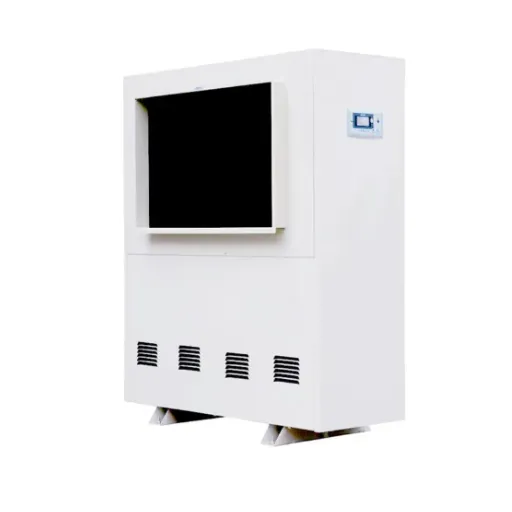
Dehumidifiers combine water, electricity, and refrigerant. Treat installation with the same care as any other industrial equipment.
Electrical safety
Only a licensed electrician should connect the supply. Confirm that the supply is isolated, locked out, and tagged out during installation. Use the correct cable size, breaker type, and earth connection. If the unit has an internal humidistat or control panel, make sure it is accessible but protected from wash-down sprays.
Refrigerant handling
If the unit is pre-charged, do not open the refrigerant circuit. If field piping is required for a split or ducted system, use a qualified refrigeration technician. Recover and handle refrigerants according to local environmental regulations.
Condensate disposal
Check local codes for where condensate may be discharged. In some jurisdictions, condensate from industrial processes must be treated before discharge. In food facilities, it may need to be routed to a grease or waste-water system. Ask the supplier for a water-quality statement if the application requires it.
Structural and fire considerations
Confirm that wall or ceiling mounting brackets are rated for the unit weight plus dynamic loads. Keep flammable materials away from hot exhaust air. If the unit is installed in a hazardous area, verify that the enclosure rating meets the zone classification.
Common installation mistakes
Many problems can be traced back to a few repeated errors. Watch for these:
Wrong slope: A flat or uphill drain line is the most common cause of overflow.
Undersized electrical circuit: Extension cords and shared circuits often trip or overheat.
Blocked airflow: Stacking pallets or curtains around the unit cuts capacity and strains the compressor.
Ignoring ambient temperature: A standard refrigeration dehumidifier may ice up below 10 °C; a desiccant unit may be needed instead.
Skipping commissioning: Running the unit for a few minutes is not enough to confirm drainage and control behavior.
No spare parts plan: Float switches, pumps, and filters wear out. Ask for the recommended maintenance kit.
Maintenance after installation
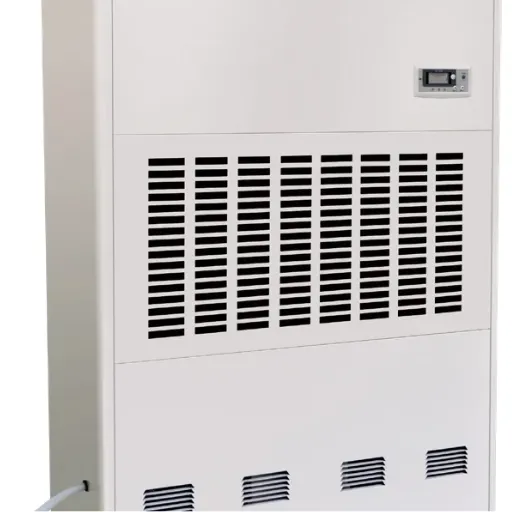
Installation is not the end of the process. A dehumidifier needs periodic maintenance to keep the drainage system clear and the capacity stable.
Clean or replace filters according to the manual. Dirty filters reduce airflow and increase energy use.
Inspect the drain line for algae, sludge, or blockages.
Check the condensate pump reservoir and test the float switch.
Verify humidistat calibration at least annually, especially in critical applications.
Request service documentation for the selected model, including the wiring diagram, refrigerant type, and recommended spare parts.
XiAn Wisdom Computer Info&tech Co., Ltd states that quality management and after-sales support are central to its customer service approach. Buyers should still request the specific service terms, warranty scope, and documentation that apply to the selected model and order.
When to involve a qualified installer
Some installation steps are straightforward for an in-house maintenance team. Others should be handled by a licensed electrician, refrigeration technician, or plumber. Bring in a qualified installer when the unit requires a new dedicated circuit, field refrigerant piping, ceiling or wall mounting, or a condensate pump with a long drain run.
A professional can also verify that the installation meets local electrical and plumbing codes. Document the installer's qualifications and any test results. If the supplier offers installation guidance, request it in writing and share it with the installer before the work begins. This step reduces the risk of warranty disputes and helps the unit reach its documented performance.
Conclusion
Dehumidifier installation and drainage requirements are not afterthoughts. The right location, power supply, airflow, and drainage arrangement determine whether the unit protects your space or creates new problems. Before ordering, define the application, confirm the site conditions, and prepare a checklist that covers placement, electrical requirements, drainage method, and commissioning.
Key takeaways:
Start with the application, operating temperature, and target humidity.
Leave adequate clearance and route airflow correctly.
Match the electrical supply to the nameplate requirements.
Choose gravity drainage or a condensate pump based on site layout, and verify slope and flow.
Commission the unit and record settings before handover.
Request model-specific documentation, service information, and written commercial terms.
If temperature control is part of the same project, review refrigerated cabinet requirements as well.
Ready to discuss your project? Share your application, site conditions, and destination-market requirements so the supplier can confirm the right model and installation plan. Then request the current datasheet, installation manual, and quotation before finalizing your order.
Recently Posted
-
Refrigerated cabinet power and temperature requirements: a buyer's checklist
August 8, 2026In March 2025, a buyer named Elena took delivery of three refrigerated cabinets for a grocery store her company was fitting out. T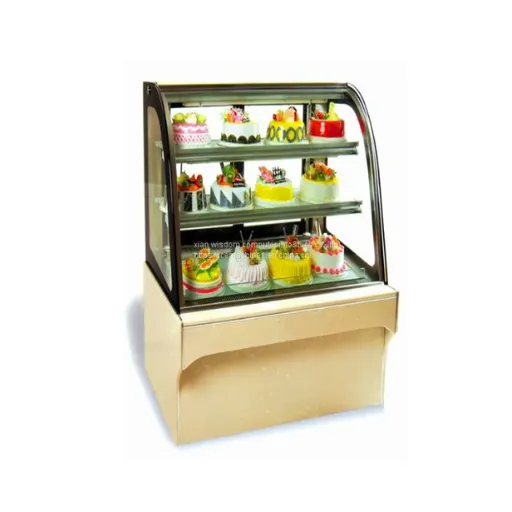 Read More
 -
Refrigerated Cabinet Selection Checklist: How to Specify the Right Unit for Your Operation
August 8, 2026Maria, a procurement manager for a mid-sized foodservice distributor, thought she had done everything right. She compared three re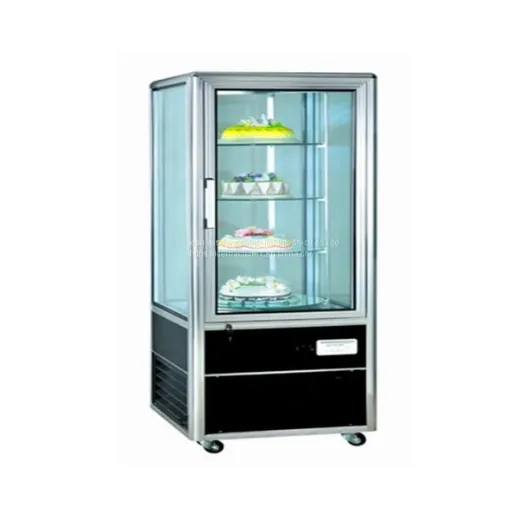 Read More
 -
What affects dehumidifier capacity? A buyer's guide to accurate sizing
August 8, 2026Last summer, a warehouse manager in Florida ordered a 50 L/day dehumidifier for a 2,000 m² storage area because the supplier's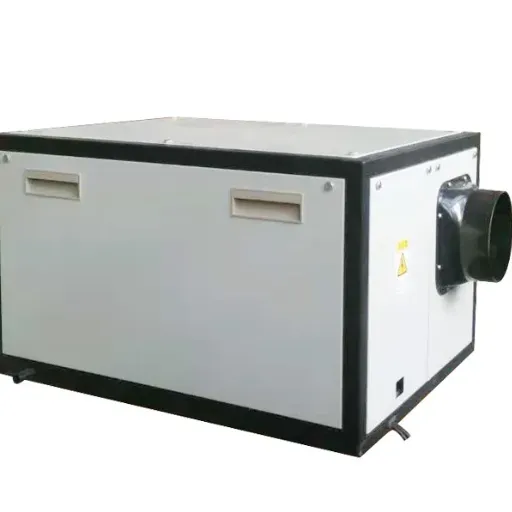 Read More
 -
How to choose an industrial dehumidifier for a facility
August 8, 2026A facility manager opens a storage bay and finds condensation running down a cold wall. Packaging feels damp, labels are curling,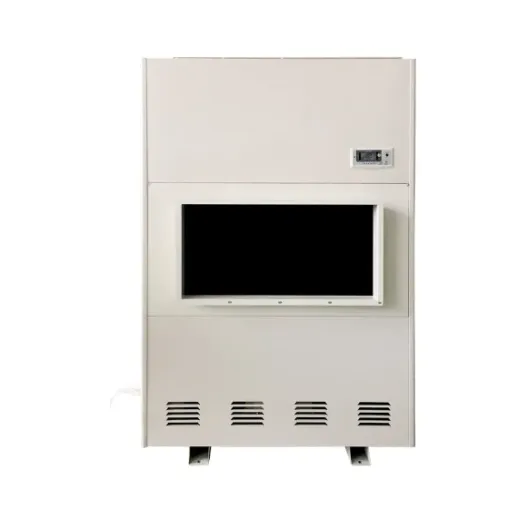 Read More

Contact Us
Recommended Products
-
 Large Capacity Ceiling Mounted Space Saving Indoor Pool DehumidifierNegotiableMOQ: 1 Piece
 -
Commercial Home Use Bathroom Dehumidification Swimming Pool Ceiling Mounted Mini DehumidifierNegotiableMOQ: 1 Piece
-
Greenhouse Grow Room Industrial Ceiling Mounted Duct Indoor Pool DehumidifierNegotiableMOQ: 1 Piece
-
Duokai OEM Indoor Dehumidifier Portable Swimming Pool Dehumidifier in Stock With CENegotiableMOQ: 1 Piece
-
High Quality Low Voltage ODM & OEM PLC Distribution CabinetNegotiableMOQ: 1 Set


-
Saladin Type Malt Production LineNegotiableMOQ: 1 Set
-
Seawater Desalination SystemUS$ 2000 - 1000000MOQ: 1 Set
-
High Speed Synthetic Lane Bowling Ball ReturnUS$ 50 - 2000MOQ: 10 Pieces
-
Reliable Automatic Six Axis Industrial Packing Robot With Self Diagnostic SystemNegotiableMOQ: 1 Piece
-
Multi-Travel Radius Six Axis Servo Robot for Custom Automation WorkstationNegotiableMOQ: 1 Piece

-
Labor Saving 6 Axis Industrial Robot Boost Workshop Production EfficiencyNegotiableMOQ: 1 Piece
-
Factory Direct Wholesale Carton Palletizer Packing Line Robot for MilkNegotiableMOQ: 1 Piece
-
Six-Axis Industrial Robotic Arm for Handling Welding Loading UnloadingNegotiableMOQ: 1 Piece
-
High-Automation High-Precision Six-Axis Metal Laser Industrial Welding RobotNegotiableMOQ: 1 Piece
-
Six-Axis Automatic Industrial Welding Robot Arm With Competitive PriceNegotiableMOQ: 1 Piece