
 Business License

Refrigerated cabinet temperature requirements: A buyer's guide
A refrigerated cabinet that runs a few degrees warm does not always announce itself. The stock still looks cold, and the compressor keeps cycling. The result usually appears later, in shorter shelf life or in a temperature record that does not match the stated requirement.
Most buyers begin a refrigerated cabinet enquiry with size and capacity. Temperature requirements often come second, after the stored product and the operating environment have changed the answer. That ordering is easy to understand, but it can lead to a cabinet that holds the wrong temperature for the actual application.
This guide explains how to set refrigerated cabinet temperature requirements before you compare models. It covers the temperature range to target by product, the operating conditions that affect performance, the documentation to request, and the checklist to build before you ask for a quotation.
Consider a bakery manager who ordered a refrigerated cabinet for chilled pastry and selected the unit on internal volume alone. The cabinet arrived with a serving-temperature setting rather than the storage temperature the product needed, and the mismatch did not show up until the first shelf-life check. Defining the requirement first prevents that outcome.
By the end of this guide, you will have a short list of questions to send to any supplier. You will also know which documents to request so the temperature claim can be checked against your operating needs.
Why refrigerated cabinet temperature requirements matter
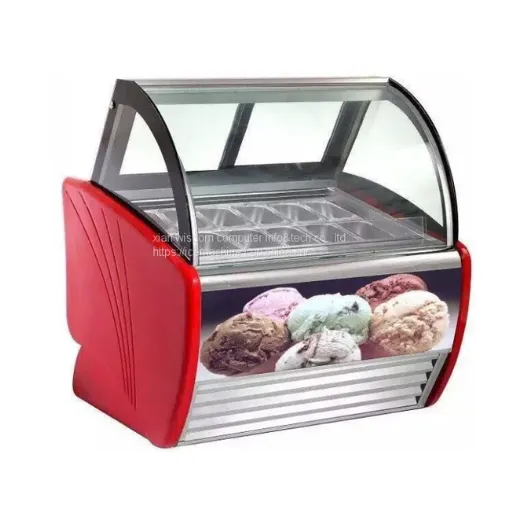
The stored product sets the target temperature
A refrigerated cabinet is a storage box with a temperature target. The product you store determines that target. Fresh produce, dairy, meat, seafood, prepared food, beverages, and frozen goods all have different holding requirements. A cabinet rated for one range may not hold another, so the product decision should come first.
Chilled products commonly need holding temperatures from about 0 °C to 8 °C, depending on the product and the market rules that apply. Frozen products generally need -18 °C or below. Some products, such as certain ice cream or seafood specifications, require colder holding temperatures. Confirm the figure from the product specification rather than from a general rule.
Temperature stability matters as much as the target number. A product can tolerate a maximum of 5 °C, but it also needs the cabinet to stay within a defined fluctuation during defrost cycles and door openings. For example, a slight rise during defrost is normal, but the cabinet must recover quickly enough to keep the product safe. Record both the target temperature and the acceptable range before you compare equipment.
Food-safety rules set the minimum bar
Food-safety rules translate temperature into a compliance requirement. In the United States, the FDA Food Code requires time or temperature control for safety (TCS) foods to be held at 41 °F (5 °C) or below. In the European Union, Regulation (EC) No 852/2004 requires food businesses to maintain the cold chain for food that cannot be stored safely at ambient temperatures.
National rules add their own figures. For example, food-safety guidance in the United Kingdom commonly specifies chilled storage at or below 8 °C. These numbers differ between markets, so confirm the rule that applies to the destination country and the product type. A cabinet that works in one market may not meet the requirement in another.
Compliance also affects how you monitor the cabinet. Many food businesses must record temperatures, hold the records for a set period, and show them during inspection. If the cabinet cannot maintain the required range in your operating conditions, the records will show it. Temperature requirements therefore become documentation requirements too.
A temperature gap can cost more than the cabinet
Consider Rosa, who managed a deli and ordered a refrigerated cabinet for sliced meat. She recorded a target of 4 °C but did not write down how the cabinet would be used. Staff loaded it to the front edge, left the door open during service, and placed it beside a hot pass-through. On busy days the interior climbed toward 10 °C.
The deli spent more time discarding product and logging corrections than it saved in the original purchase.
The lesson is practical: define how the cabinet will actually be used before you define its size. Load pattern, opening frequency, and nearby heat sources all become temperature requirements once the unit is installed. A short conversation about use at the enquiry stage can prevent a long correction process after delivery.
Before you compare models, write down your application, target temperature, and site conditions. Preparing these details now makes the later documentation request more useful, and it gives any supplier a clear basis for a recommendation. Discuss your application requirements with the supplier so the refrigerated cabinet category can be checked against your needs.
What temperature range should a refrigerated cabinet hold?
Chilled storage: about 0 °C to 8 °C in most food applications
For chilled products, most commercial applications target a holding range between about 0 °C and 8 °C. Fresh meat and seafood often sit at the lower end, near 0 °C to 4 °C, while some produce and beverages tolerate slightly warmer storage. The exact range depends on the product specification and the local food-safety rule.
The useful question is not "what is the average setting?" but "what is the warmest temperature the product can be held at, and how much fluctuation is acceptable?" A cabinet that averages 5 °C but peaks at 10 °C during defrost may fail the requirement even when the average looks correct.
The answer also depends on how the cabinet is used. A closed-door storage cabinet holds temperature more easily than an open-front display unit, because customer access brings in warm air. Match the cabinet design to the task rather than assuming one unit serves every role.
Frozen storage: -18 °C or below for most frozen products
Most frozen-food standards call for -18 °C or below. The FDA Food Code cites frozen storage at 0 °F (-18 °C) or below for frozen foods. Some products require colder holding temperatures, so confirm the required figure from the product specification and the applicable standard before finalizing an order.
Frozen storage places different demands on the cabinet. The refrigeration system must remove heat from the product as well as the cabinet itself, and warm product loaded at delivery raises the internal temperature quickly. Confirm how the model handles load recovery and whether the operating manual states a recommended loading limit.
Serving and display temperatures vary by application
A refrigerated cabinet used for display or self-service may run warmer than a storage cabinet, because customer access increases door openings and warm air entry. Some beverage applications hold product at about 2 °C to 7 °C, while delicatessen cases hold prepared food at 4 °C or below. The application determines the requirement, and the cabinet type must match it.
For display use, the temperature class and the test standard matter more, because the cabinet is tested with a defined loading and operating pattern. Ask which standard applies and whether the stated performance covers the display conditions you plan to run.
Temperature classes for commercial cabinets
Commercial refrigerated display cabinets are classified under standard test conditions, such as ISO 23953, into temperature classes for frozen, chilled, and temperate products. The class that applies to your product, along with the test method and ambient conditions used, should appear in the model documentation. Do not infer a class from the cabinet type alone.
The table below lists common holding ranges as a starting point. Confirm the figure for your product from its specification and the applicable standard, because ranges vary by product, market, and test method.
| Product type | Common holding range | What to confirm |
|---|---|---|
| Fresh produce | About 0 °C to 8 °C | Product specification |
| Dairy | About 0 °C to 4 °C | Product specification |
| Meat and poultry | About -1 °C to 4 °C | Product specification |
| Seafood | About -1 °C to 4 °C | Product specification |
| Prepared food and delicatessen | About 0 °C to 4 °C | Local food-safety rule |
| Beverages | About 2 °C to 7 °C | Product specification |
| Frozen food | -18 °C or below | Product specification and standard |
| Ice cream | Often below -18 °C | Product specification |
Operating conditions that affect refrigerated cabinet temperature requirements
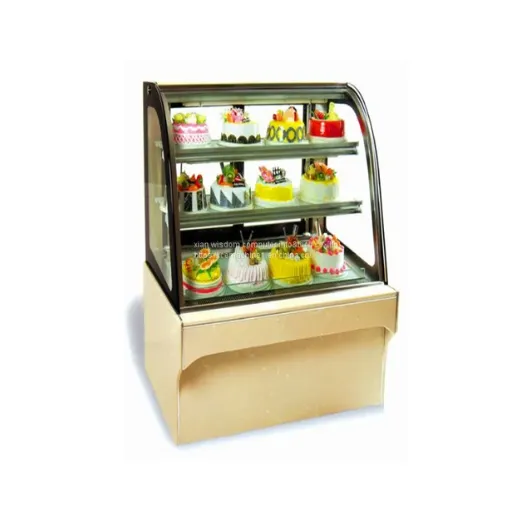
Ambient temperature and climate class
A refrigerated cabinet must reject heat to the room around it. If the room is hot, the cabinet works harder. Climate classes describe the ambient temperature range a cabinet is designed to operate in. Common classes are SN (10 °C to 32 °C), N (16 °C to 32 °C), ST (16 °C to 38 °C), and T (16 °C to 43 °C).
Consider a restaurant that installed a refrigerated cabinet in a service area beside the ovens. The cabinet was rated for a temperate climate class, but the kitchen often reached 35 °C on busy evenings. On those evenings the interior temperature climbed above target and the compressor ran almost continuously. Moving the cabinet to a cooler location and confirming the climate class for the actual room changed the outcome more than any setting adjustment.
A cabinet rated for SN or N may not hold temperature in a hot kitchen or in direct sunlight. Measure the warmest part of the intended room, and confirm the climate class from the documentation. Seasonal changes matter too: a room that is cool in winter may become too warm in summer, so base the decision on the warmest period of the year.
Load, door openings, and defrost cycles
Every door opening lets warm air in. Frequent openings, open display fronts, and heavy loading all increase the cooling load. Defrost cycles also raise the internal temperature briefly, and the cabinet must recover within the holding requirement. Confirm how the cabinet handles defrost and whether the recovery time is stated in the documentation.
Loading method matters as well. Warm product added in large batches raises the interior temperature for a period, and the cabinet must pull it back down. If your operation loads heavily during a short window, such as after delivery, confirm that the model's recovery capability matches that pattern.
Air circulation and internal loading
A refrigerated cabinet keeps temperature stable through internal air circulation. Blocking the airflow with overfilled shelves or stacked packaging creates warm spots. Load the cabinet so air can move around the product, and keep product below the load line indicated in the operating manual.
Even a correctly specified cabinet can fail if it is loaded incorrectly. For example, pressing product against the rear evaporator area or covering air vents reduces circulation and creates temperature variation. Train staff on the loading rules in the manual, and check the temperature in different parts of the cabinet rather than at a single point.
Installation space and ventilation
The condenser needs airflow to reject heat. Clearance requirements, such as gaps behind and above the unit, are usually stated in the installation guide. Placing a cabinet against a wall or in a corner without clearance reduces performance and may invalidate the installation requirements.
Confirm the installation space before delivery. Check the electrical connection point, the floor condition, and the route the cabinet will travel. A small change in the planned position can affect both ventilation and servicing access, so record the intended position and the clearances on the order.
Refrigerated cabinet power and installation requirements
Electrical supply and connections
Confirm the rated voltage, frequency, and input power from the model datasheet before installation. Common supplies are 230 V / 50 Hz single-phase in many markets, with larger equipment using three-phase supplies. Confirm the plug or connection type and whether a dedicated circuit is required. These details belong in the current documentation for the selected model, not in a general assumption.
Check the electrical supply at the installation site as well. The available voltage, frequency, and circuit capacity must match the cabinet's requirements. If the site supply differs from the model specification, ask for confirmation before ordering rather than planning a conversion later.
Drainage and condensation handling
Defrost produces water. Some cabinets use an internal evaporation tray; others require a drain connection to a floor waste. Confirm the drainage method, the amount of condensate produced, and whether floor drainage is needed at the installation site. Water left on the floor creates a slip risk and a cleaning problem.
The drainage requirement also affects the installation position. If the cabinet needs a floor drain, the position must provide access to one. If it uses an evaporation tray, confirm the tray capacity and how often it needs attention. Include drainage in the site survey rather than discovering the requirement after delivery.
Physical dimensions and clearance
Confirm the external dimensions, door swing, and any clearance needed for servicing. Check the door opening, corridor width, and ceiling height at the installation point, and measure the route the cabinet will travel. A cabinet that fits the final position may not fit the corridor that leads to it.
Consider the working height and how staff will load the cabinet. For example, a cabinet intended for high-use service should place the storage level at a comfortable height. Confirm the internal layout as well, because shelf spacing and door type affect how much product the cabinet holds in practice.
Refrigerant and energy information
Ask which refrigerant the cabinet uses and request current operating or energy information for the model under consideration. Refrigerant selection can affect the applicable regulations and the servicing options in your market. Treat energy figures as model-specific data that must come from the current documentation, with the test conditions stated.
Energy use is not a fixed number. It changes with ambient temperature, load, opening frequency, and cabinet type. When energy use is a purchase requirement, request the current data for the exact model and compare it under the same stated conditions.
How to verify refrigerated cabinet temperature performance before ordering
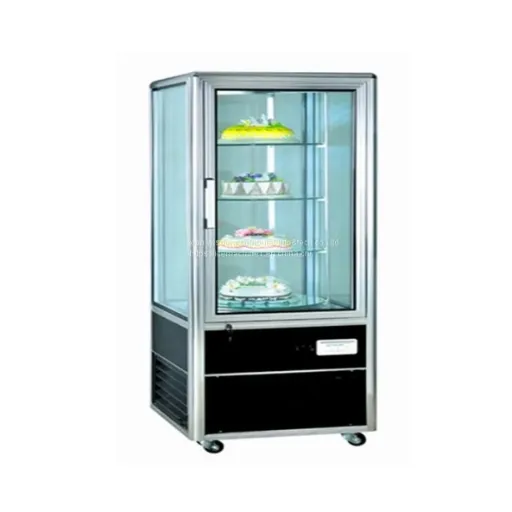
Request the current model documentation
Temperature performance belongs in the model documentation. Request the current datasheet, the installation and operating manual, and any test or type-approval records that apply to the model under consideration. Confirm the model number, the stated temperature range, the climate class, and the test conditions.
Consider Elena, a procurement lead who compared three refrigerated cabinet quotes for a bakery. She asked each supplier for the current datasheet, the climate class, and the test conditions behind the stated temperature range. Two suppliers could not confirm the details in writing. The third provided a datasheet with the operating conditions stated, so Elena shortlisted the documented option because she could compare it on the same basis as the others.
Confirm the test conditions behind the figures
A stated temperature range means little without its test conditions. Ask whether the figure was measured in a standard test room, at a specific ambient temperature, with a defined load, and under steady-state conditions. Different test conditions produce different results, so compare like-for-like figures only.
Record the document version as well. A datasheet from an earlier revision may not reflect the current model. Ask for the document date and revision number, and keep the version that matches the model you plan to order.
Plan temperature monitoring and calibration
After installation, temperature performance must be verified in the real operating environment. Plan how you will measure and record temperatures, where the sensor or thermometer will be placed, how often it will be checked, and how it will be calibrated. A temperature log turns an assumption into evidence.
Placement matters for accurate readings. A sensor near the door opening reads a different temperature than one at the rear of the cabinet, and both differ from the product temperature. Use the monitoring points recommended in the operating manual, and record the ambient conditions during the check so the result can be interpreted correctly.
Refrigerated cabinet requirement checklist
Use this checklist before you request a quotation. If any item is unclear, request the model documentation to confirm the detail before you compare offers.
Product type and target holding temperature, stated in °C or °F
Acceptable temperature fluctuation and defrost behavior
Storage, serving, or display application and expected use pattern
Applicable food-safety or destination-market rule for the product
Cabinet type, internal volume, and number and type of doors
Warmest ambient temperature at the installation point
Climate class required for the operating environment
Electrical supply: voltage, frequency, input power, and connection type
Drainage method and floor-drain requirement
External dimensions, door swing, and access route
Refrigerant and current energy or operating information
Current documentation required: datasheet, manual, test records
Information to confirm in writing: model number, temperature range, climate class, test conditions, lead time, and commercial terms
Conclusion
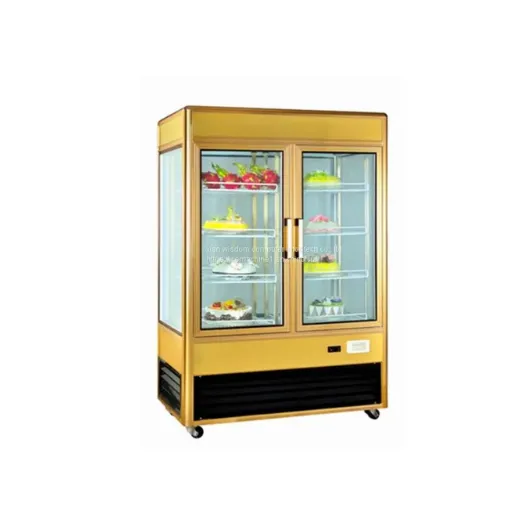
Refrigerated cabinet temperature requirements start with the product, not with the cabinet. Define the target holding temperature, confirm the food-safety rule that applies to your market, and check the operating conditions that will affect performance, such as ambient temperature, climate class, load, and installation space.
Then verify the model before you commit. Request the current datasheet and manual, confirm the temperature range, climate class, and test conditions, and plan how you will monitor temperature after installation. Documented information beats an assumption at every step.
The next step is straightforward: write down your application requirements and ask the supplier for the model documentation that matches them. When you have the documents for the shortlisted options, compare them on the same operating basis before you request a quotation.
Recently Posted
-
Centrifugal blower selection: how to choose the right model for your application
August 12, 2026Most centrifugal blower selection mistakes are not made inside the machine. They are made before the enquiry goes out, when a buye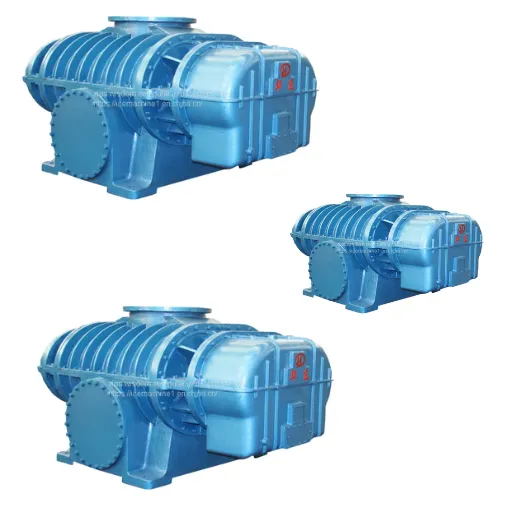 Read More
 -
How to Select a Pump for Your Application: A Buyer's Guide
August 12, 2026In March 2026, a maintenance supervisor at a beverage plant in Monterrey filed a one-line request: "Get us a new water pump.&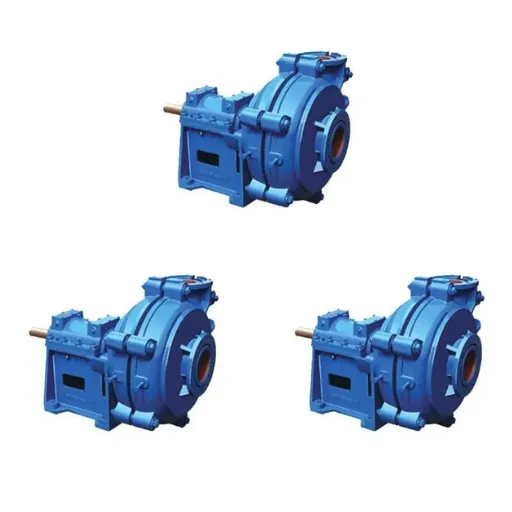 Read More
 -
Industrial Pump Selection: A Practical Guide for Buyers
August 12, 2026A plant engineer at a beverage bottling facility in Rotterdam ordered three pumps in March 2025, choosing them by flow rate and pr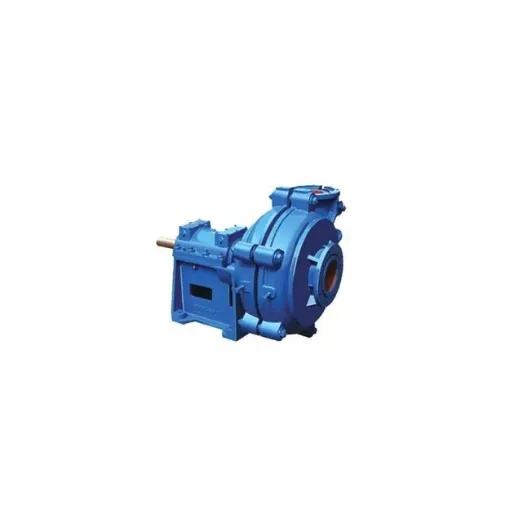 Read More
 -
How to choose water treatment equipment: a buyer's selection guide
August 12, 2026What would a failed water-quality audit cost your operation? For a food processor, a beverage plant, or a commercial facility, the Read More

Contact Us
Recommended Products
-
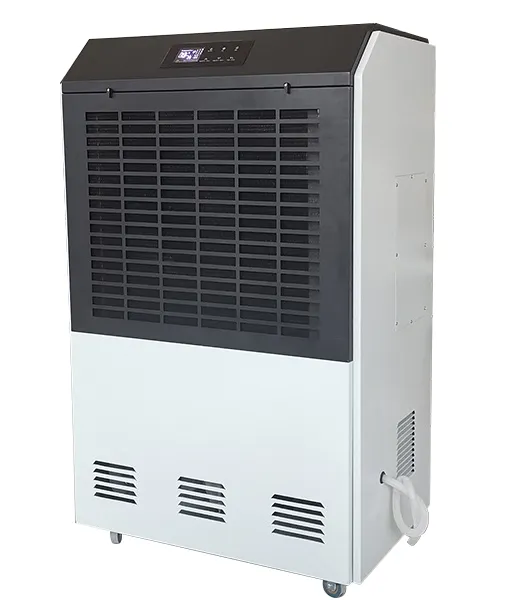
 Large Capacity Ceiling Mounted Space Saving Indoor Pool DehumidifierNegotiableMOQ: 1 Piece
 -
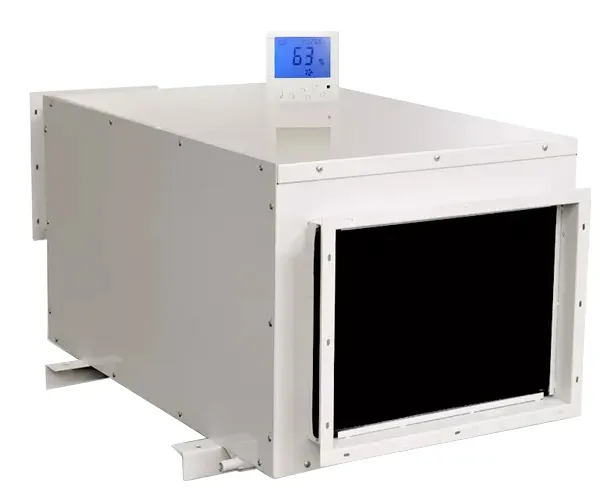
Commercial Home Use Bathroom Dehumidification Swimming Pool Ceiling Mounted Mini DehumidifierNegotiableMOQ: 1 Piece
-
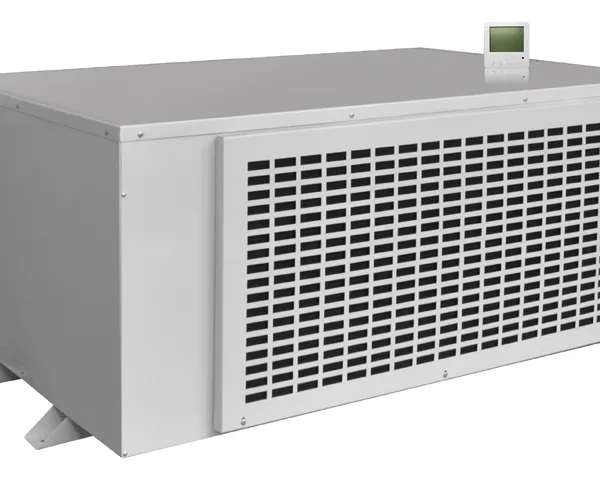
Greenhouse Grow Room Industrial Ceiling Mounted Duct Indoor Pool DehumidifierNegotiableMOQ: 1 Piece
-
Duokai OEM Indoor Dehumidifier Portable Swimming Pool Dehumidifier in Stock With CENegotiableMOQ: 1 Piece
-
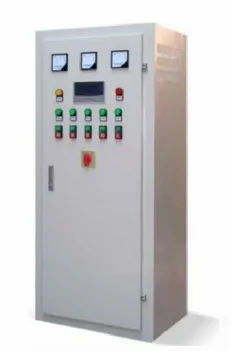
High Quality Low Voltage ODM & OEM PLC Distribution CabinetNegotiableMOQ: 1 Set
-
Saladin Type Malt Production LineNegotiableMOQ: 1 Set
-
Seawater Desalination SystemUS$ 2000 - 1000000MOQ: 1 Set
-
High Speed Synthetic Lane Bowling Ball ReturnUS$ 50 - 2000MOQ: 10 Pieces
-
Reliable Automatic Six Axis Industrial Packing Robot With Self Diagnostic SystemNegotiableMOQ: 1 Piece
-
Multi-Travel Radius Six Axis Servo Robot for Custom Automation WorkstationNegotiableMOQ: 1 Piece

-
Labor Saving 6 Axis Industrial Robot Boost Workshop Production EfficiencyNegotiableMOQ: 1 Piece
-
Factory Direct Wholesale Carton Palletizer Packing Line Robot for MilkNegotiableMOQ: 1 Piece
-
Six-Axis Industrial Robotic Arm for Handling Welding Loading UnloadingNegotiableMOQ: 1 Piece
-
High-Automation High-Precision Six-Axis Metal Laser Industrial Welding RobotNegotiableMOQ: 1 Piece
-
Six-Axis Automatic Industrial Welding Robot Arm With Competitive PriceNegotiableMOQ: 1 Piece