
 Business License

How to Choose a Refrigerated Cabinet for Your Commercial Operation
Maria opened the bakery's new pastry case on a humid July morning. The buttercream had begun to sag. The cabinet looked professional, but its temperature band was designed for beverage cooling, not delicate desserts. By noon, she had moved the pastries to a backup unit and started a return conversation that cost her three days of sales.
That experience is more common than it should be. A commercial refrigerated cabinet is not just a box that makes things cold. The right unit matches the product, the environment, the workflow, and the documentation that supports the purchase.
This guide walks through refrigerated cabinet selection from the buyer's perspective. First, you will learn how to define your application. Next, you will set the correct temperature range and size the cabinet for real operations. You will also check site and utility conditions, compare cabinet configurations, and confirm the technical and commercial documents you need before ordering.
Start with the application and stored products
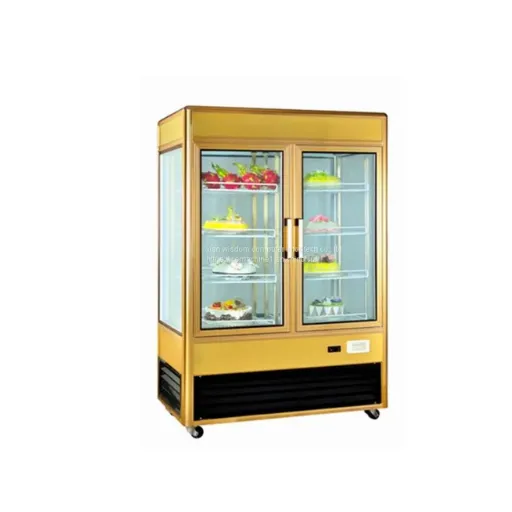
The first question is not which cabinet looks best. It is what you intend to store, how long it will stay inside, and how staff will use the unit during a typical day.
Different products need different conditions. Fresh meat, seafood, dairy, prepared salads, desserts, beverages, and floral products each have their own safe holding temperature and humidity tolerance. For example, a cabinet that works for bottled drinks may ruin fresh cream cakes. A unit designed for packaged beverages may struggle with the door openings required in a busy kitchen.
Map your product categories
List the products you plan to store now and the products you may add within the next two to three years. For each category, note:
Required storage temperature
Sensitivity to temperature fluctuation
Sensitivity to humidity and airflow
Packaging type and stacking method
Typical hold time before use or sale
Whether the product is open, covered, or sealed
This list becomes the basis for every specification you request. It also helps the supplier recommend the right cabinet category instead of a generic model.
Define the workflow
Think about how staff will interact with the cabinet. A grab-and-go retail case is opened dozens of times per hour. A back-of-house reach-in may see fewer openings but heavier loads. A prep kitchen needs quick access during service.
Each pattern affects compressor sizing, door type, shelf layout, and energy use. Therefore, the best refrigerated cabinet for a fast-casual restaurant may differ from the best unit for a hotel banquet kitchen, even when both hold similar products.
Verification required: Confirm that any recommended temperature range matches the safety and quality requirements for your specific products and local food-safety regulations.
Refrigerated cabinet temperature requirements: range and capacity
Temperature is the most visible specification on any refrigerated cabinet datasheet. However, it is easy to misread. A unit rated for 2 °C to 8 °C may not maintain the lower end reliably in a hot kitchen. A freezer-style cabinet may cycle too aggressively for products that need only light chilling.
Match the temperature band to the product
Commercial refrigerated cabinets generally fall into these temperature bands:
Chilled display and storage: approximately 2 °C to 8 °C, suitable for dairy, prepared foods, beverages, and some produce
Fresh meat and seafood: close to 0 °C to 4 °C, often with higher humidity control
Blast chilling and holding: rapid pull-down to safe temperatures, then holding within a controlled band
Frozen storage: -18 °C to -22 °C or lower for long-term frozen goods
The U.S. Food and Drug Administration Food Code recommends keeping potentially hazardous foods at 5 °C (41 °F) or below. Always cross-check product-specific requirements against local regulations, not just the cabinet label.
Size capacity for real load, not shelf volume
Capacity is usually expressed in litres or cubic feet. Those numbers describe internal volume, not usable storage. A cabinet with thick insulation, large fans, or awkward shelf spacing may hold far less than its rating suggests.
When sizing a refrigerated cabinet, estimate:
Peak daily inventory in kilograms or number of containers
Container dimensions and how they stack
Air gaps needed between products for circulation
Future growth over 12 to 24 months
Whether you need display space, storage space, or both
A common rule of thumb is to size for 20% more capacity than your current peak load. That buffer reduces crowding, improves airflow, and gives you room to grow without replacing the unit.
Mini-story: The restaurant that sized for average, not peak
Tom's bistro installed a single reach-in refrigerated cabinet based on a typical Tuesday load. On Friday and Saturday nights, the kitchen team stacked containers until they touched the evaporator. Within six months, the compressor failed from overwork.
Tom paid for an emergency replacement during the holiday season. A slightly larger cabinet with better airflow would have cost less than the repair and lost inventory combined. The lesson: size for peak demand, not average use.
Check site conditions and utilities
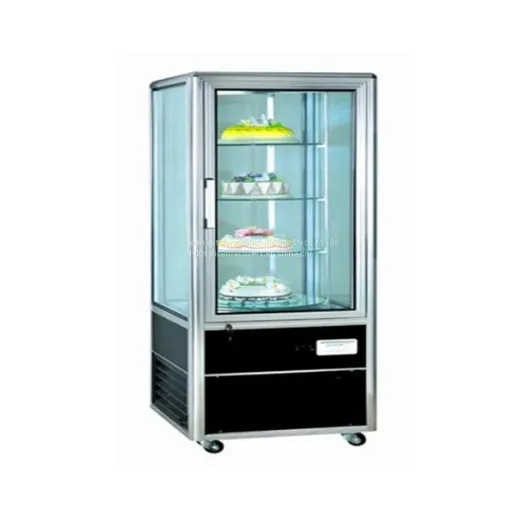
Even a well-specified cabinet will underperform if the site cannot support it. Before comparing models, collect the installation conditions and share them with the supplier.
Ambient temperature and ventilation
Refrigerated cabinets reject heat through their condensers. If the unit is placed against a wall, in a corner, or in a small, poorly ventilated room, the ambient temperature around the condenser rises. The compressor then works harder, uses more energy, and wears out faster.
Ask these questions about the installation location:
What is the highest expected ambient temperature in summer?
Is the unit in an air-conditioned space or a hot kitchen?
How much clearance is available around the condenser?
Is there a route for warm exhaust air to escape?
Will dust, grease, or flour affect the condenser fins?
Most manufacturers specify a maximum ambient temperature. Operating above that limit voids performance claims and shortens equipment life.
Electrical supply
Confirm the available voltage, frequency, and phase. Common commercial supplies include 220-240 V / 50 Hz single-phase and 380-415 V / 50 Hz three-phase. Regional standards vary, so a cabinet purchased for one market may not work in another without modification or a different model.
Also check:
Dedicated circuit capacity and breaker rating
Proximity of the outlet to the installation location
Whether a hardwired connection is required
Local plug and cable standards
Backup power availability if the product must stay cold during outages
Flooring, drainage, and access
Upright cabinets need level flooring and enough doorway clearance for delivery. Undercounter and counter-top units must fit existing counters. Larger walk-in or pass-through cabinets may need reinforced floors, floor rails, or special access routes.
If the cabinet has automatic defrost, check whether it drains to a floor waste or collects water in an internal tray that staff must empty. Drainage location affects where the unit can be placed and how much maintenance it needs.
Compare refrigerated cabinet types and configurations
Once you know the application, temperature band, capacity, and site conditions, you can compare cabinet categories. Each configuration trades access, capacity, display value, and footprint differently. The right refrigerated cabinet configuration should match your workflow first and your floor plan second.
Upright reach-in cabinets
Upright reach-in cabinets are vertical units with hinged or sliding doors. They use floor space efficiently and suit back-of-house storage, prep kitchens, and smaller retail spaces. Glass-door versions allow customers to see products without opening the cabinet.
Considerations include door swing clearance, shelf adjustability, internal lighting, and fan placement. Solid doors usually insulate better than glass doors, while glass doors support merchandising.
Undercounter and worktop cabinets
Undercounter cabinets fit beneath preparation counters, keeping ingredients within arm's reach. They save steps in busy kitchens but offer less capacity than upright units. Worktop models add a stainless-steel surface above the cabinet for immediate prep.
These units are useful when space is tight and access speed matters more than bulk storage. Pay attention to ventilation clearance underneath and whether the compressor can handle continuous door openings.
Display and serve-over cabinets
Display refrigerated cabinets are designed for customer-facing areas. They include curved or flat glass fronts, internal lighting, and shelving arranged for visual appeal. Serve-over counters are common in delis, bakeries, and butcher shops.
Because these cabinets are opened frequently, compressor sizing and airflow design matter more than in storage-only units. Look for models with night covers or insulated shutters to reduce energy use after hours.
Pass-through and roll-in cabinets
Pass-through cabinets have doors on both sides. Staff can load from the kitchen and serve from the front. Roll-in cabinets accept standard racks or trolleys, which simplifies batch production and reduces handling.
These configurations are larger and more expensive, but they can transform workflow in high-volume operations. Confirm rack dimensions and compatibility before ordering.
Mini-story: The hotel chain that standardized on the wrong door type
A procurement team for a mid-size hotel chain chose sliding-door cabinets for all back-of-house locations to save aisle space. In the pastry kitchen, staff needed both hands free to slide trays inside. The sliding rails also collected flour and sugar, making doors stick.
After the first year, properties began replacing half the units with swing-door models. The lesson: match the door and access style to the actual task, not just the floor plan.
Request refrigerated cabinet documentation before ordering
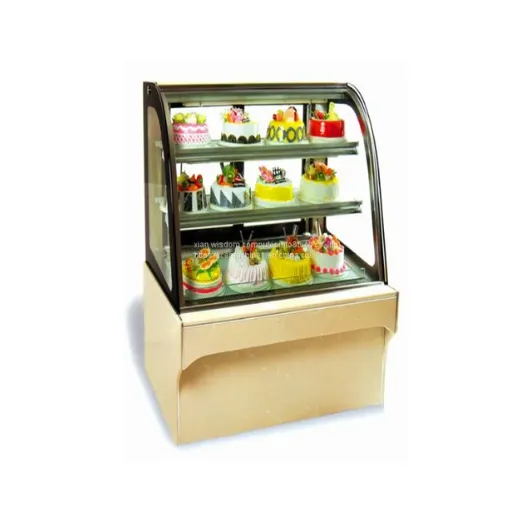
Documentation is where many buying decisions fall apart. A glossy catalogue photo does not confirm that the cabinet meets your voltage, temperature, or compliance needs. Before placing an order, request the documents that let you compare models fairly.
A structured equipment selection checklist can help you collect the right information before contacting suppliers.
Technical datasheet
The datasheet should include:
Model number and configuration code
External and internal dimensions
Net and gross capacity
Temperature range and control type
Refrigerant type and charge
Electrical requirements
Maximum ambient temperature
Noise level
Weight
Shelf quantity, material, and load rating
Compare datasheets for candidate models under the same operating conditions. A cabinet rated at 2 °C in a 25 °C room will behave differently in a 35 °C kitchen. Refer to the technical documentation guide for a fuller list of documents to request.
Compliance and certification documents
Depending on your destination market, you may need evidence of electrical safety, energy efficiency, hygiene design, or refrigerant compliance. Common reference standards include EN 1686 for commercial refrigerating appliances and the U.S. Department of Energy commercial refrigeration equipment standards. The CEN-CENELEC refrigerating systems standards page provides access to European reference documents.
Request certificates or test reports that apply to the exact model and voltage version you plan to buy. A certificate for a different model or market may not satisfy your local inspector or customer.
Warranty, spare parts, and after-sales information
Ask for written confirmation of:
Warranty period and what it covers
Spare parts availability
Recommended service interval
Whether installation and commissioning are included
How to reach technical support
The company states that after-sales support is a key part of its service approach. Use that as a prompt to request the specific support documents for your selected model.
Verification required: Confirm that certifications, warranty terms, and service scope apply to the exact model, voltage, and destination market before finalizing an order.
Plan installation, operation, and maintenance
A refrigerated cabinet is a long-term asset. The way it is installed, operated, and maintained will determine whether it reaches its expected service life.
Installation checklist
Before the cabinet is positioned:
Verify floor load and level.
Confirm electrical supply matches the nameplate.
Allow manufacturer-specified clearance around condenser and vents.
Check that doors open fully without obstruction.
Ensure drainage or defrost water management is in place.
Allow the unit to settle after transport before energizing, usually for several hours.
Record the initial temperature pull-down time and final stable temperature.
Operating practices
Train staff on temperature targets, loading limits, and door discipline. Overloading blocks airflow and creates warm spots. Leaving doors open while preparing orders forces the compressor to run continuously. That wastes energy and shortens compressor life.
A simple log of morning and evening temperatures can catch problems before they cause spoilage. Small habits often matter more than small efficiency differences.
Maintenance routine
Planned maintenance keeps efficiency high and avoids emergency repairs. A typical schedule includes:
Daily: check internal temperature and door seals
Weekly: clean door gaskets and visible surfaces
Monthly: clean condenser coils and check drainage
Quarterly: inspect fans, hinges, and refrigerant lines for damage
Annually: professional service including refrigerant check, control calibration, and compressor inspection
Keep a maintenance log with dates, actions, and any temperature deviations. The log supports warranty claims and helps diagnose recurring issues.
Energy and operating cost considerations
Energy use depends on cabinet size, insulation, compressor efficiency, door openings, and ambient temperature. While specific power figures must be confirmed per model, you can reduce operating cost by:
Choosing the right size so the unit does not run continuously
Keeping the condenser clean and well ventilated
Using night blinds or covers on display cabinets
Setting defrost cycles based on actual frost buildup
Replacing worn door seals promptly
If energy use is a selection criterion, request current, model-specific efficiency and operating information for your application. Do not rely on general category claims when energy use is a purchase requirement.
Conclusion
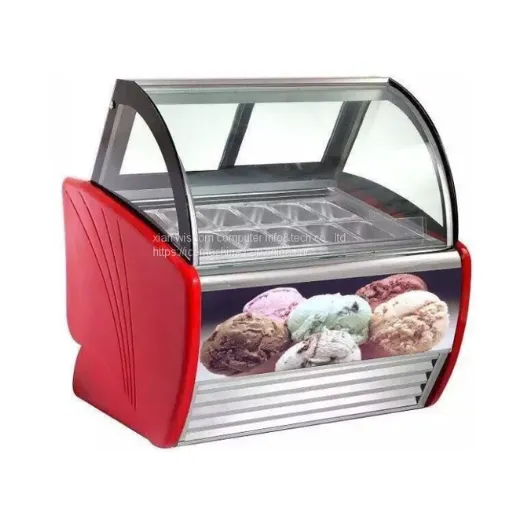
Choosing a refrigerated cabinet starts with the product, not the product page. Define what you will store, at what temperature, in what volume, and under what site conditions. Compare cabinet types against those requirements, and use the datasheet, not the marketing description, to judge suitability. Then confirm certifications, warranty, and support documents before ordering.
The key takeaways for refrigerated cabinet selection are simple:
Match the temperature band and humidity control to your products.
Size for peak load plus growth, not average use.
Check ambient temperature, ventilation, power supply, and drainage before selecting a model.
Choose the cabinet configuration that fits the workflow, not just the floor space.
Request model-specific documentation and confirm it applies to your market and voltage.
If you are planning a new commercial refrigeration installation, start by preparing your application requirements and site conditions. Then discuss suitable refrigeration equipment categories. Request current model documentation before requesting a quotation.
Recently Posted
-
Refrigerated cabinet power and temperature requirements: a buyer's checklist
August 8, 2026In March 2025, a buyer named Elena took delivery of three refrigerated cabinets for a grocery store her company was fitting out. T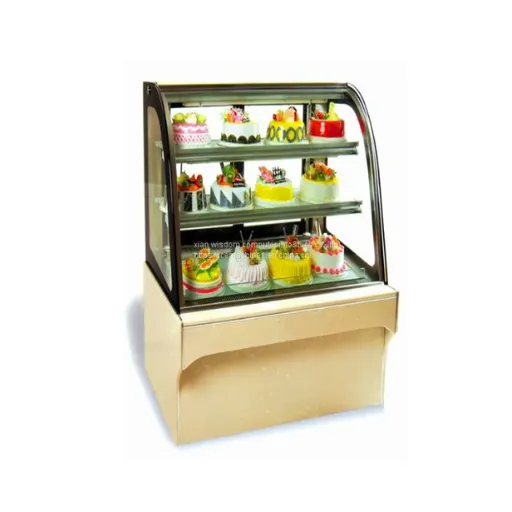 Read More
 -
Refrigerated Cabinet Selection Checklist: How to Specify the Right Unit for Your Operation
August 8, 2026Maria, a procurement manager for a mid-sized foodservice distributor, thought she had done everything right. She compared three re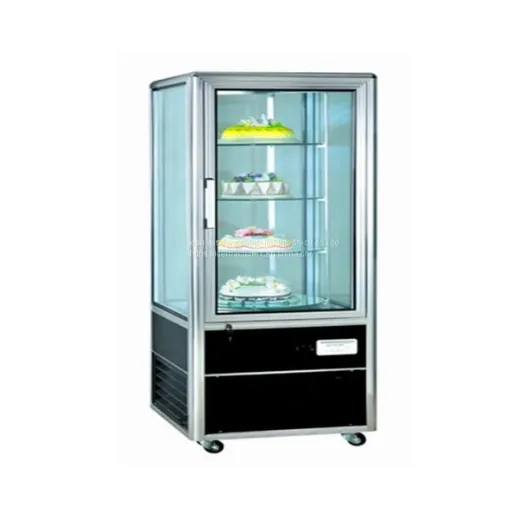 Read More
 -
What affects dehumidifier capacity? A buyer's guide to accurate sizing
August 8, 2026Last summer, a warehouse manager in Florida ordered a 50 L/day dehumidifier for a 2,000 m² storage area because the supplier's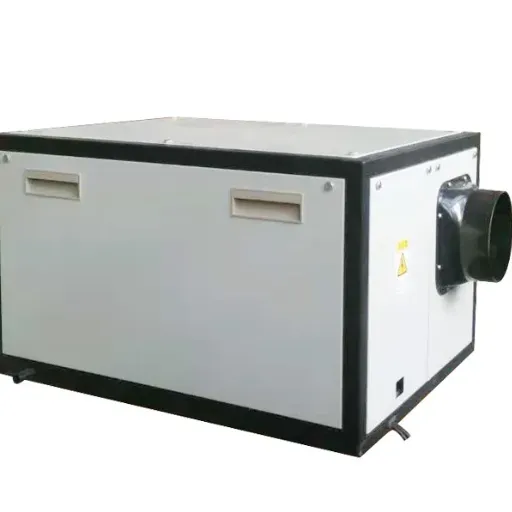 Read More
 -
Dehumidifier installation and drainage requirements: a buyer's guide
August 8, 2026In March 2024, a maintenance team at a seafood processing plant installed a commercial dehumidifier without checking the drain slo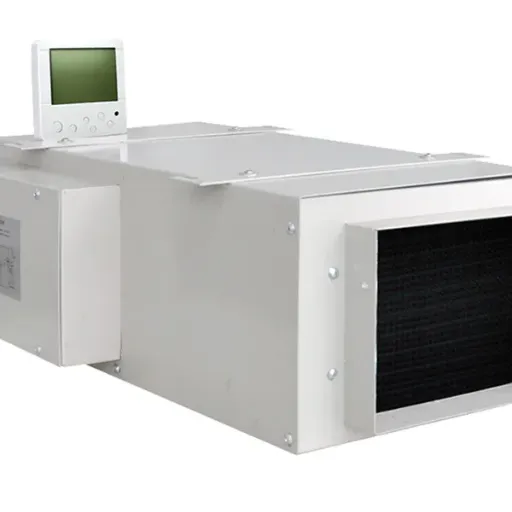 Read More

Contact Us
Recommended Products
-
 Large Capacity Ceiling Mounted Space Saving Indoor Pool DehumidifierNegotiableMOQ: 1 Piece
 -
Commercial Home Use Bathroom Dehumidification Swimming Pool Ceiling Mounted Mini DehumidifierNegotiableMOQ: 1 Piece
-
Greenhouse Grow Room Industrial Ceiling Mounted Duct Indoor Pool DehumidifierNegotiableMOQ: 1 Piece
-
Duokai OEM Indoor Dehumidifier Portable Swimming Pool Dehumidifier in Stock With CENegotiableMOQ: 1 Piece
-
High Quality Low Voltage ODM & OEM PLC Distribution CabinetNegotiableMOQ: 1 Set


-
Saladin Type Malt Production LineNegotiableMOQ: 1 Set
-
Seawater Desalination SystemUS$ 2000 - 1000000MOQ: 1 Set
-
High Speed Synthetic Lane Bowling Ball ReturnUS$ 50 - 2000MOQ: 10 Pieces
-
Reliable Automatic Six Axis Industrial Packing Robot With Self Diagnostic SystemNegotiableMOQ: 1 Piece
-
Multi-Travel Radius Six Axis Servo Robot for Custom Automation WorkstationNegotiableMOQ: 1 Piece


-
Labor Saving 6 Axis Industrial Robot Boost Workshop Production EfficiencyNegotiableMOQ: 1 Piece
-
Factory Direct Wholesale Carton Palletizer Packing Line Robot for MilkNegotiableMOQ: 1 Piece
-
Six-Axis Industrial Robotic Arm for Handling Welding Loading UnloadingNegotiableMOQ: 1 Piece
-
High-Automation High-Precision Six-Axis Metal Laser Industrial Welding RobotNegotiableMOQ: 1 Piece
-
Six-Axis Automatic Industrial Welding Robot Arm With Competitive PriceNegotiableMOQ: 1 Piece