
 Business License

Flake Ice Machine Selection Guide for Commercial Buyers
Last March, a seafood distribution manager in Bilbao watched his flake ice output drop by roughly 25% over three days. The machine was only 14 months old and the manufacturer had confirmed the model was rated for the application. The problem was not the equipment.
The installation team had placed the unit in a corner with six inches less clearance than the documentation specified, and the condenser was recycling warm discharge air. The correction needed a half-day repositioning, a cost that could have been avoided by checking the installation conditions against the model documentation before the unit was installed.
You may already recognize that flake ice serves applications where cube or nugget ice cannot perform the same job. Soft, moldable, and fast-cooling, flake ice surrounds product without bruising it and transfers heat quickly. But choosing the right flake ice machine means looking beyond a stated capacity figure on a product listing. This guide identifies the application, site, documentation, and commercial factors to confirm before you request a quotation or finalize a model decision.
How to Choose a Flake Ice Machine
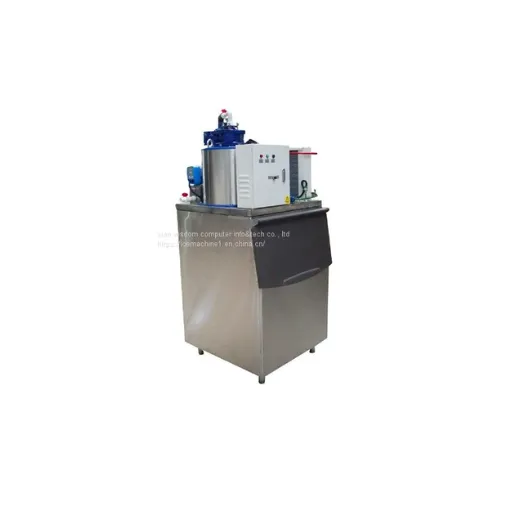
Choose a flake ice machine by defining the required ice application, daily output, water supply, installation space, ventilation, and electrical requirements. Then compare current model documentation under the same operating conditions and confirm commercial terms before requesting a quotation.
The sections that follow walk through each of these steps in detail, starting with what flake ice is and where it is used, then moving through application requirements, site conditions, installation factors, documentation review, maintenance planning, and commercial confirmation.
What a Flake Ice Machine Does and Where It Is Used
A flake ice machine produces thin, irregular pieces of ice by freezing a layer of water on a cooled surface and removing it mechanically. The resulting ice is dry, subcooled, and has a large surface area relative to its volume. These properties give flake ice three practical advantages: it cools product rapidly, it conforms around irregular shapes without causing damage, and it does not fuse into a solid mass during storage.
Common flake ice applications include:
Seafood and fresh produce display: Flake ice holds product at display temperature while allowing water from melting ice to drain without pooling.
Food processing and manufacturing: Meat mixing, dough cooling, and batch temperature control where consistent, rapid cooling affects product quality.
Concrete cooling: Large-volume construction projects use flake ice to manage concrete curing temperatures in warm conditions.
Cold-chain transport and storage: Flake ice provides extended cooling during transit when mechanical refrigeration is not available.
Healthcare and laboratory environments: Sample preservation, patient cooling packs, and applications where controlled, even cooling is required.
Each application places different demands on the machine. A seafood display counter may need continuous output during market hours. A concrete batch plant may need a large volume within a short window. Confirm that the model under consideration is designed for the intended use, operating pattern, and environment before assuming that a general-purpose listing covers your application.
Verification required: Confirm the intended application and operating pattern against the manufacturer documentation for the selected flake ice machine model. Output ratings may vary with water temperature, ambient temperature, and operating conditions.
Define Your Flake Ice Application Requirements
The first step in choosing a flake ice machine is not comparing capacity numbers. It is defining exactly what the machine needs to do, under what conditions, and for how many hours per day.
Ice Application and Intended Use
Start by documenting how the ice will be used. The cooling task determines the required ice temperature, size distribution, and output consistency. For example, flake ice for seafood display needs to be dry enough to prevent clumping, while flake ice for concrete cooling may tolerate slight moisture if the mass, temperature, and delivery rate meet the batch requirements. Write down the specific cooling objective before looking at product categories.
Determining Required Daily Output
Daily output is the most commonly quoted figure, but it is also the most easily misunderstood. A model listed as "500 kg per 24 hours" typically delivers that output under specific test conditions, usually with a stated water inlet temperature and ambient air temperature. If the installation site has higher ambient temperatures or warmer inlet water, the actual daily output may be lower.
Calculate your requirement based on peak usage, not average. A food processing line that uses 300 kg of flake ice during an eight-hour shift has a daily requirement of 300 kg, but the machine must produce that amount within the available production window. Consider:
Peak daily consumption: The highest ice volume needed in a single operating day.
Production window: The hours available between start-up and the time the ice is needed.
Storage and buffer capacity: Whether an ice storage bin can absorb peaks and allow the machine to run during off-peak hours or lower ambient temperatures.
Output derating: How the rated output changes under the actual water and ambient conditions at the installation site.
Verification required: Request the current capacity chart or output curve for the specific flake ice machine model, showing rated output at different water inlet and ambient air temperatures.
If you need help defining the output and application parameters for your operation, discuss your requirements with a product specialist who can check the information against current model documentation.
Check Flake Ice Machine Site and Utility Conditions
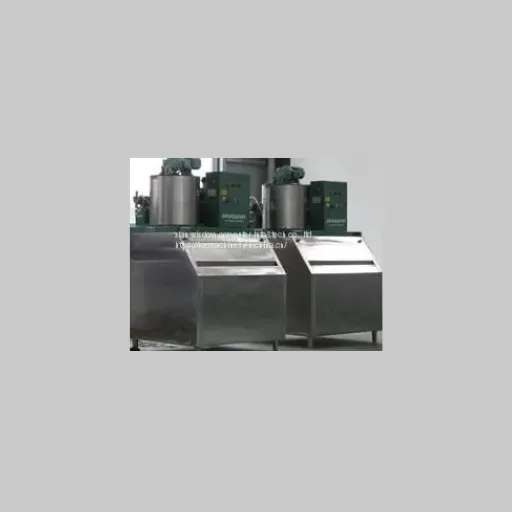
A flake ice machine cannot perform to its documented specification if the site conditions do not match the assumptions in the manufacturer data. Four utility categories need attention before model selection.
Water Supply and Quality
Water quality affects ice clarity, machine longevity, and maintenance frequency. High mineral content accelerates scale formation on the freezing surface, reducing output and increasing energy use. Request a water analysis for the installation site and confirm the acceptable water-quality range for the model under consideration.
Key water-supply requirements to confirm:
Flow rate and pressure: The machine needs a consistent water supply within the manufacturer stated range.
Inlet temperature: Output ratings typically assume a specific water inlet temperature. Warmer water reduces ice production.
Hardness and TDS: High total dissolved solids or hardness may require pretreatment before the water enters the machine.
Connection size and location: Confirm the inlet fitting type, size, and recommended placement relative to the machine.
Drainage Requirements
Flake ice machines produce meltwater during the harvest cycle and from the storage bin. The drain must be sized for peak flow and installed with the proper air gap and slope to prevent backflow. Standing water around the machine indicates a drainage issue that can introduce contaminants, create a slip hazard, and damage flooring. Confirm:
Drain line size and recommended routing.
Whether a floor drain, condensate pump, or gravity drain is appropriate.
Local plumbing code requirements for indirect waste and air-gap fittings.
Ventilation and Ambient Conditions
Flake ice machines, particularly air-cooled models, reject heat through the condenser. If the heat cannot dissipate, head pressure rises and cooling capacity falls. The installation documentation for each model specifies minimum clearance distances around the unit and a recommended ambient temperature range.
Poor ventilation is one of the most common installation problems and one of the easiest to prevent. The Bilbao example at the start of this article involved only six inches of missing clearance. Before selecting a model, confirm:
The maximum, minimum, and sustained ambient temperature the machine can operate within.
Minimum clearance distances on all sides, including the top and the discharge-air path.
Whether the planned location provides unobstructed airflow or whether ducting, louvers, or an alternative location is needed.
Electrical Power Requirements
Confirm the voltage, phase, frequency, and circuit protection requirements for the model. In many commercial and industrial settings, three-phase power is available, but not all locations can supply it. Record the:
Operating voltage, phase, and frequency (for example, 380-415 V, 3-phase, 50 Hz).
Full-load amperage and recommended circuit-breaker sizing.
Whether a dedicated circuit is required.
Whether local electrical codes impose additional disconnect, grounding, or protection requirements.
Verification required: Confirm the electrical requirements, water conditions, drainage specifications, and ventilation clearances in the current installation documentation for the selected flake ice machine model.
Consider a cold-chain operator in Dubai who evaluated two flake ice machine models for a seafood export facility. Both datasheets listed similar daily output figures, but one was rated at 21 °C ambient and the other at 32 °C ambient. The warmer-temperature rating mattered because the machine room was not fully air-conditioned.
Without comparing the conditions behind the output numbers, the buyer would have seen two similar capacity figures and assumed equivalent performance. The difference in ambient rating translated to a roughly 15% real-world output gap during the summer months.
Evaluate Flake Ice Machine Installation Space and Access
Beyond ventilation clearance, the machine needs space for service access and ice removal. Confirm:
Machine dimensions: Overall height, width, and depth, including any protrusions for water and electrical connections.
Service access: Clear space for a technician to reach panels, the condenser, water components, and the control board.
Bin access: Whether the bin door can open fully and whether the bin can be cleaned and emptied without moving the machine.
Floor load: Whether the floor can support the machine plus a full bin of ice and water. A cubic meter of flake ice can weigh roughly 400 to 500 kg.
Review Documented Flake Ice Machine Specifications
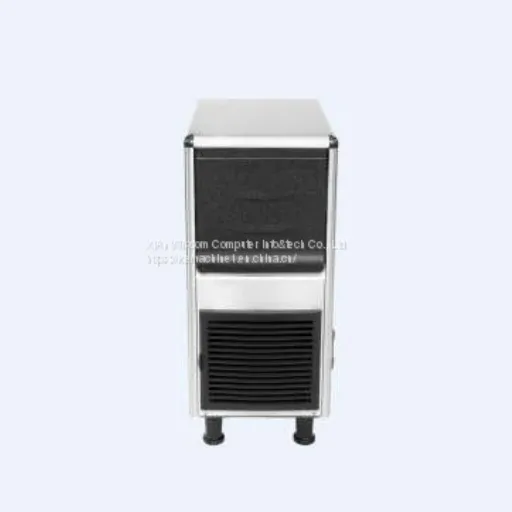
Once the application and site conditions are documented, the next step is comparing model specifications. This step is where an organized requirements list matters most.
Understanding Output Ratings
Flake ice machine capacity is influenced by ambient air temperature, water inlet temperature, and, for water-cooled models, condenser water temperature. A capacity figure without stated conditions is incomplete. When comparing data, confirm:
The ambient and water temperatures at which the output figure applies.
Whether the output is for a 24-hour period or a shorter production window.
Whether the machine uses an air-cooled, water-cooled, or remote condenser, each has different installation requirements and operating costs.
Material and Build Considerations
The materials used in the freezing surface, water-contact components, cabinet, and bin affect durability, cleanability, and compatibility with the operating environment. Common materials include stainless steel for food-contact surfaces and corrosion-resistant coatings for exterior panels. Request the current material specification for the model and confirm it is suitable for the installation environment, including any exposure to salt air, cleaning chemicals, or washdown procedures.
Refrigerant and Environmental Compliance
Ask which refrigerant the model uses and confirm that it complies with current regulations in the destination market. Refrigerant regulations evolve, and a model approved for one market may not be accepted in another. Request written confirmation that the refrigerant type, charge, and compliance documentation match the destination-country requirements.
Plan Flake Ice Machine Water Treatment and Maintenance
Flake ice machines operate in wet, cold conditions that create specific maintenance needs. Planning for these needs before installation reduces unplanned downtime and helps maintain consistent output.
Filtration and Scale Management
For most installations, water filtration reduces the risk of scale buildup on the freezing surface. The type and size of the filtration system depend on:
Incoming water quality, based on a site-specific water analysis.
The flow rate and daily water consumption of the machine.
The manufacturer's water-quality recommendations for the model.
Common filtration approaches include sediment filters for suspended particles, carbon filters for chlorine and taste compounds, and scale-inhibition systems for hardness. A water softener or phosphate-based scale inhibitor may be needed in hard-water areas, but confirm compatibility with the machine's water-contact materials before installing any treatment system.
Establishing a Maintenance Routine
A flake ice machine maintenance schedule should include regular cleaning of the water system, the freezing surface, the condenser, and the storage bin. The required frequency depends on water quality, operating hours, and the installation environment. Request the manufacturer's recommended maintenance schedule and confirm the approved cleaning and sanitizing chemicals, concentrations, contact times, and procedures for the specific model.
Verification required: Confirm the filtration configuration, cleaning agents, maintenance intervals, and sanitation procedures in the current manufacturer documentation for the selected flake ice machine model.
A food processing plant in Poznan, Poland documented its flake ice requirements before installation. The team collected a water analysis, confirmed the ambient temperature range in the machine room, measured the available floor space against the model dimensions, and verified that the electrical supply matched the required voltage and phase. When the machine was installed, it delivered its rated output within the first week.
The upfront documentation work took roughly two hours. The plant maintenance lead later noted that those two hours prevented at least three common post-installation problems that would have required service visits.
Confirm Flake Ice Machine Commercial and Documentation Requirements
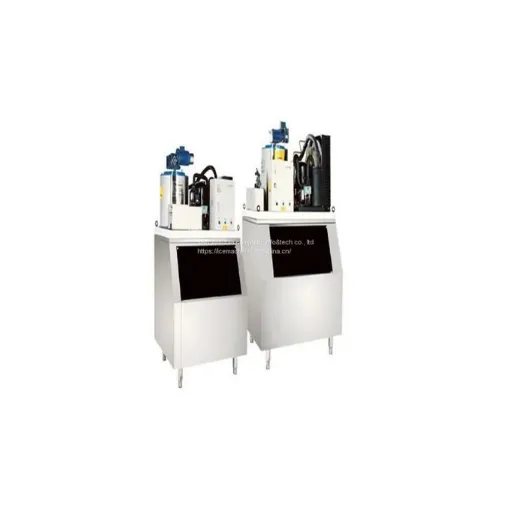
After the technical requirements are documented, confirm the commercial information that affects the purchase decision and post-installation experience.
Documentation to Request Before Ordering
Before finalizing a model selection, request the following in writing:
Current datasheet and installation manual: Confirm that the output, electrical, water, dimensional, and installation requirements match your documented needs.
Cleaning and maintenance documentation: Procedures, approved chemicals, and recommended intervals.
Consumable parts list: Water filters, air filters, pump seals, gaskets, and other parts that require scheduled replacement, including part numbers and recommended change intervals.
Compliance documentation: Applicable certifications, refrigerant information, and destination-market regulatory information, if available.
Warranty, Service, and Support Information
Ask for written information covering the warranty period, what the warranty includes, and any conditions that affect coverage. Request the service and support process for the selected model, including how to reach technical support and whether service documentation and spare parts are available for the destination market.
Verification required: Confirm the commercial terms, warranty coverage, parts availability, and service support information for the specific model and destination market. Do not assume that terms listed on a category page or in a different market apply to your order.
Flake Ice Machine Selection Checklist
Use the following flake ice machine selection checklist to verify that all requirements have been documented before requesting a quotation. Each item corresponds to a decision point covered in the sections above.
Before requesting a quotation, confirm that:
The intended application and operating pattern have been documented and are compatible with the model.
The required daily output has been calculated for peak usage, and the stated model output has been checked against the actual water and ambient temperatures at the installation site.
Water supply, quality, flow rate, pressure, drainage, ventilation, and electrical requirements have been confirmed against the model documentation.
Installation space allows for the required clearances, service access, and bin operation.
The material specification and refrigerant type are suitable for the operating environment and destination market.
A water-treatment and maintenance plan has been outlined and matched to the water quality and manufacturer recommendations.
Commercial terms, warranty, parts availability, and support information have been requested in writing for the specific model and destination.
Conclusion
Choosing a flake ice machine involves more than browsing output figures on product listings. The machine is part of a system that includes water, power, ventilation, drainage, and the operating environment. When any one of these factors is overlooked, even a well-built machine can underperform.
Three points to take forward:
Document requirements first. Define the application, output, site conditions, and utilities before comparing models. A two-hour requirements review can prevent weeks of underperformance.
Read the output figures in context. A capacity rating applies only under stated conditions. Confirm the output at the actual water and ambient temperatures of the installation site.
Request model-specific documentation. General category descriptions are not a substitute for a current datasheet, installation manual, and maintenance documentation that apply to the exact model under consideration.
Discuss your flake ice application and site conditions with the company to request current model documentation, confirm specifications, and obtain written commercial information for the flake ice machine that fits your requirements.
Recently Posted
-
Refrigerated cabinet power and temperature requirements: a buyer's checklist
August 8, 2026In March 2025, a buyer named Elena took delivery of three refrigerated cabinets for a grocery store her company was fitting out. T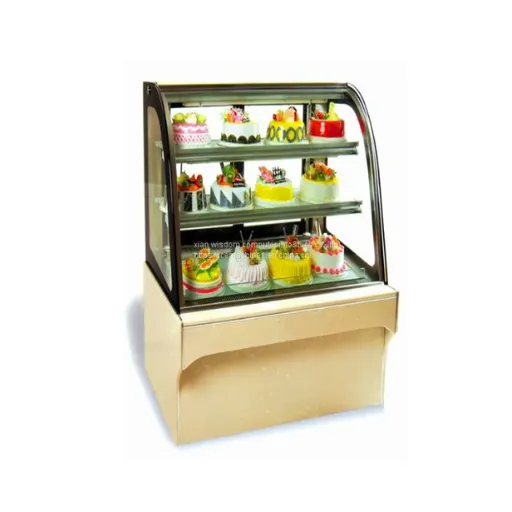 Read More
 -
Refrigerated Cabinet Selection Checklist: How to Specify the Right Unit for Your Operation
August 8, 2026Maria, a procurement manager for a mid-sized foodservice distributor, thought she had done everything right. She compared three re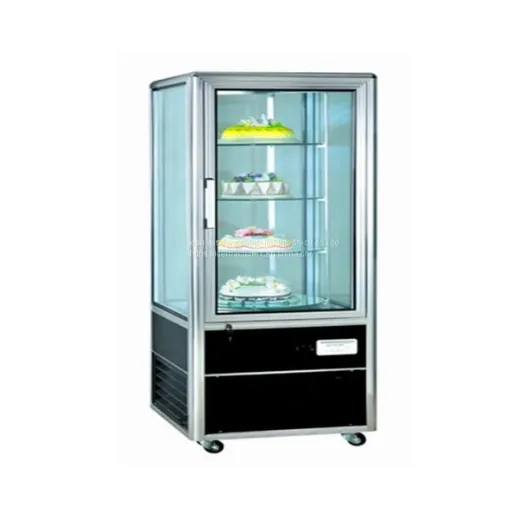 Read More
 -
What affects dehumidifier capacity? A buyer's guide to accurate sizing
August 8, 2026Last summer, a warehouse manager in Florida ordered a 50 L/day dehumidifier for a 2,000 m² storage area because the supplier's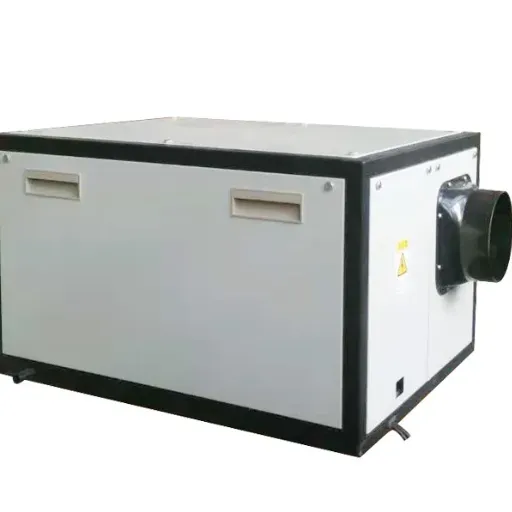 Read More
 -
Dehumidifier installation and drainage requirements: a buyer's guide
August 8, 2026In March 2024, a maintenance team at a seafood processing plant installed a commercial dehumidifier without checking the drain slo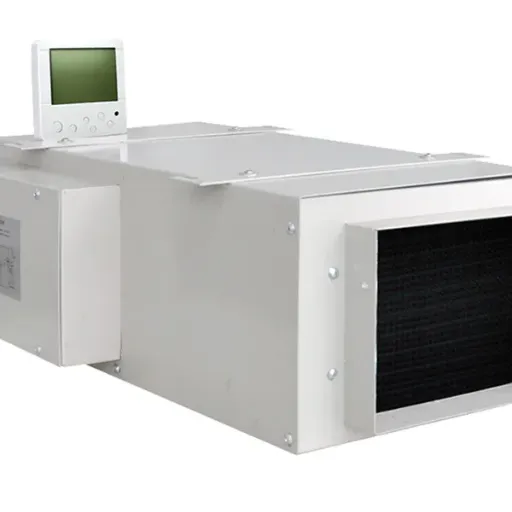 Read More

Contact Us
Recommended Products
-
 Large Capacity Ceiling Mounted Space Saving Indoor Pool DehumidifierNegotiableMOQ: 1 Piece
 -
Commercial Home Use Bathroom Dehumidification Swimming Pool Ceiling Mounted Mini DehumidifierNegotiableMOQ: 1 Piece
-
Greenhouse Grow Room Industrial Ceiling Mounted Duct Indoor Pool DehumidifierNegotiableMOQ: 1 Piece
-
Duokai OEM Indoor Dehumidifier Portable Swimming Pool Dehumidifier in Stock With CENegotiableMOQ: 1 Piece
-
High Quality Low Voltage ODM & OEM PLC Distribution CabinetNegotiableMOQ: 1 Set

-
Saladin Type Malt Production LineNegotiableMOQ: 1 Set
-
Seawater Desalination SystemUS$ 2000 - 1000000MOQ: 1 Set
-
High Speed Synthetic Lane Bowling Ball ReturnUS$ 50 - 2000MOQ: 10 Pieces
-
Reliable Automatic Six Axis Industrial Packing Robot With Self Diagnostic SystemNegotiableMOQ: 1 Piece
-
Multi-Travel Radius Six Axis Servo Robot for Custom Automation WorkstationNegotiableMOQ: 1 Piece

-
Labor Saving 6 Axis Industrial Robot Boost Workshop Production EfficiencyNegotiableMOQ: 1 Piece
-
Factory Direct Wholesale Carton Palletizer Packing Line Robot for MilkNegotiableMOQ: 1 Piece
-
Six-Axis Industrial Robotic Arm for Handling Welding Loading UnloadingNegotiableMOQ: 1 Piece
-
High-Automation High-Precision Six-Axis Metal Laser Industrial Welding RobotNegotiableMOQ: 1 Piece
-
Six-Axis Automatic Industrial Welding Robot Arm With Competitive PriceNegotiableMOQ: 1 Piece