
 Business License

How to Choose a Flake Ice Machine
A purchasing manager at a cold-chain facility in Hamburg ordered two flake ice machines in May 2024 based on the capacity number alone. By August, one unit was producing half its rated output and the other tripped its circuit weekly. The problem was not the equipment itself. The buyer had never confirmed the incoming water temperature, the ambient conditions on the production floor, or the actual voltage stability at the installation point. The rated capacity assumed conditions that did not match the site.
Knowing how to choose a flake ice machine means collecting the right information before comparing models. If you are responsible for selecting one, this scenario probably sounds familiar. Many buyers start with a capacity target and a budget, then discover that the specification that matters most is the one they did not collect.
This guide provides a practical, step-by-step process for flake ice machine selection. It covers flake ice machine requirements including application needs, operating conditions, documentation, and commercial checks you should complete before requesting a quotation. No single model or brand is recommended here. Every claim about a specific model should be confirmed against current, approved documentation for that model.
Start with the Application, Not the Specification
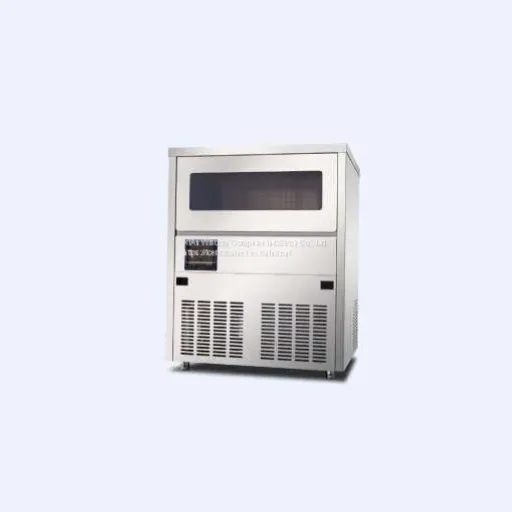
A flake ice machine can serve widely different applications. The same machine category supplies seafood display counters, concrete cooling operations, laboratory sample preservation, and processed-meat mixing. Each application brings different requirements for ice temperature, production timing, hygiene standards, and installation environment.
Before looking at a single model number, define the application.
What Is the Ice Used For?
Flake ice is soft, subcooled (cooled below its freezing point without solidifying into a hard block), and moldable. It conforms to irregular surfaces, which makes it useful for product display and rapid contact cooling. But the specific use case determines the requirements that matter most.
A fish market in Dubai needs ice that stays dry and free-flowing in high ambient humidity. A meat processing plant in Poland may prioritize the sanitary design of the ice-making and storage path. A concrete batching operation in Texas cares about production rate and delivery consistency, not food-grade surface finishes. Each of these buyers should list different priority requirements before comparing machines.
Document the full intended use. If multiple applications share one machine, describe each one and note which requirement is the most demanding.
What Form and Quality of Ice Is Needed?
Flake ice is produced in thin, dry flakes that typically measure from fractions of a millimeter to a few millimeters thick. Variation in thickness, subcooling, and dryness affects how the ice behaves in storage, transport, and use.
Confirm the acceptable range for:
Flake thickness
Ice temperature at discharge
Dryness or moisture content
Storage life under planned conditions
An application that will be satisfied with a broader specification range has more flexibility in model selection. An application with tight parameters should narrow the comparison to models whose documented output matches those parameters.
The company states that flake ice machines are among its equipment categories, but model availability and specifications require confirmation for each enquiry. Discuss your intended application so the relevant equipment category can be checked against your requirements before model discussion begins.
Define Flake Ice Machine Capacity and Operating Schedule
Capacity is the specification most buyers ask for first. It is also the specification that causes the most problems when it is taken from a brochure without confirming the conditions under which it was measured.
Rated Capacity Is Conditional
A stated output of 1,000 kg per 24 hours only holds under specific conditions. Change the water inlet temperature, the ambient air temperature, or the condenser cooling method, and the actual output can shift measurably.
The four variables that most commonly affect output include:
Incoming water temperature
Ambient air temperature at the installation location
Type of condenser cooling, such as air-cooled, water-cooled, or remote
Power supply voltage and frequency
Before comparing two models on output, confirm that both figures were measured under the same conditions. If the data is not directly comparable, request the corrected output for your planned operating conditions from the relevant documentation.
Peak Demand and Production Timing
A flake ice machine is not sized for the average daily use alone. It must meet the peak demand period at the expected operating conditions.
Consider these questions:
What is the highest ice demand in a single hour during normal operations?
Does demand spike seasonally, and by how much?
Will the machine run continuously during peak periods, or does the application require reserve capacity?
How much storage capacity is available between production and use?
A seafood processor might need 800 kg of flake ice within a four-hour unloading window, even though daily consumption averages only 600 kg. Sizing for the daily average would leave the operation short when it matters most.
Marcus, an operations supervisor at a fish market in Valencia, sized his first flake ice machine based on average daily sales. In July, when tourist traffic tripled and ambient temperatures exceeded 35 degrees Celsius, the machine could not keep up. The resulting ice shortage for two weekends cost the market several regular wholesale accounts. After documenting the peak demand conditions, he replaced the unit with a machine sized for the worst-case scenario, not the average. The lesson he shares with other buyers: provide peak-hour demand and seasonal maximums when requesting a quotation, not just a daily total.
Confirm the Output Under Your Conditions
Request the capacity curve or output table for the model under evaluation, adjusted for your water temperature, ambient temperature, and voltage. If that document is not available for the specific operating range, ask for written confirmation of the expected output before proceeding.
A useful next step: share your peak production requirements and operating conditions so the recommended equipment category and expected output can be checked against your needs.
Evaluate Site Conditions and Utility Requirements
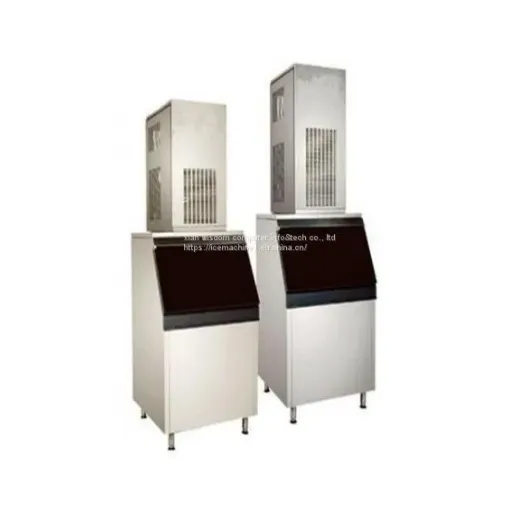
Even a correctly sized flake ice machine will not perform as expected if the installation site does not meet its operating requirements. Site preparation is a technical step, not a formality.
Water Supply and Quality
Water is the raw material for every kilogram of ice. Its temperature, pressure, hardness, and contaminants affect machine performance, ice quality, and maintenance requirements.
Collect the following information before comparing models:
Source water temperature range, both minimum and maximum
Water pressure and minimum flow rate at the planned connection point
Water hardness and total dissolved solids, from a recent water test if available
Whether the machine requires filtered, softened, or treated water
When a model lists water-quality requirements, compare them with the actual site conditions. If the water source does not meet the stated requirements, budget for pre-treatment equipment and confirm compatibility with the machine manufacturer's recommendations.
Drainage and Ventilation
Flake ice machines release heat during operation. They also produce condensate and may require periodic defrost or cleaning discharge.
For drainage, confirm:
The location and capacity of available drains relative to the machine
Whether a condensate pump is needed to reach the drain point
Any local code requirements for indirect drain connections or air gaps
For ventilation, confirm:
The minimum clearance distances specified in the installation documentation
Whether the installation room provides adequate airflow for the heat rejection method
Whether additional exhaust or fresh-air intake is required for the planned location
Electrical Supply
Incorrect voltage, phase, or frequency will prevent proper operation at best and damage equipment at worst.
Record the following electrical details:
Supply voltage and whether it is single-phase or three-phase
Frequency, typically 50 Hz or 60 Hz depending on the destination market
Available circuit capacity and whether a dedicated circuit is required
Voltage stability, especially in facilities with large motors or fluctuating loads
Confirm that the machine's electrical specification matches the site supply. Do not assume that a voltage converter or phase adapter will resolve a mismatch. Request written confirmation of the electrical requirements for the selected model, including starting current and recommended circuit protection.
Ambient Temperature and Environment
A flake ice machine installed in a hot kitchen, an unshaded outdoor enclosure, or a dusty production area will perform differently from the same machine in a climate-controlled equipment room.
Document the following environmental conditions:
Minimum and maximum ambient temperature at the planned installation location
Humidity range
Presence of airborne dust, grease, fibers, or corrosive substances
Whether the machine will be exposed to direct sunlight or weather
If the planned location exceeds the model's rated ambient range, output will decrease, and component life may shorten. Ask for written guidance on expected performance under your actual site conditions before selecting a model.
Compare Documented Model Specifications
After defining the application, output requirements, and site conditions, you can compare flake ice machine models against documented specifications. This step is where most selection errors occur, because buyers compare marketing descriptions instead of technical data.
Request Current Documentation
For each model under evaluation, request:
The technical datasheet or specification sheet with a visible document version or revision date
The capacity table showing output at different water and ambient temperatures
The installation manual or clearance and utility requirements document
Available certification or compliance documentation applicable to the destination market
Review each document for the model number shown. Do not infer a specification from a different model or from a previous version of the documentation.
Build a Comparison Table
Create a table that compares each shortlisted model under identical conditions. Include the following rows where applicable data is available:
Model number and documentation version
Rated 24-hour output at your expected water and ambient temperatures
Refrigerant type and charge
Compressor type and power consumption
Condenser cooling method
Electrical requirements, including voltage, phase, frequency, and maximum current
Water inlet requirements, including temperature range and minimum pressure
Dimensions, including service clearance
Shipping weight and operating weight
Ice type, flake thickness, and subcooling where specified
Applicable certifications or compliance marks
Leave a row blank rather than filling it with an assumption. If a specification is missing, ask for it. A supplier who cannot provide a current, model-specific datasheet for a standard specification may not have the documentation a buyer needs before ordering.
Evaluate Serviceability and Maintenance Access
A flake ice machine requires periodic cleaning, inspection, and eventual component replacement. Confirm the following from the documentation or from a written response:
Recommended cleaning interval and procedure
Access requirements for key components such as the evaporator, compressor, and water system
Availability of spare parts and recommended spare-parts list
Whether a maintenance manual is available in the language required by the operating team
A machine that cannot be serviced efficiently at the installation site will cost more over its operating life than a machine with clear access and documented maintenance procedures.
Confirm Commercial and Support Information
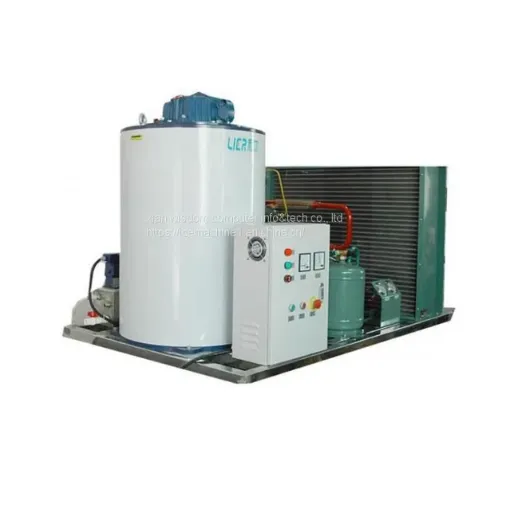
Once the technical evaluation is complete, confirm the commercial and support terms for the selected model. Do not rely on category-level promises that were not tied to the specific model and order.
Verify Commercial Terms
Request written confirmation of the following for your order:
The exact model or configuration being quoted
Unit price and applicable currency
Minimum order quantity, if applicable
Estimated production or delivery lead time
Shipping terms, including International Commercial Terms (Incoterms)
Payment terms
Warranty scope and duration
The company states that quality management and after-sales support are central to its customer service approach. Request written confirmation of the applicable support terms for your selected product and destination market so there is a documented basis for evaluating the offer.
Confirm Destination-Market Requirements
If the machine will be installed in a market different from the supplier's location, confirm the following in writing:
Applicable electrical and safety standards for the destination country
Any import documentation, certification, or compliance evidence required by local authorities
Whether the machine's rated specifications are compatible with the destination market's standard voltage and frequency
Language requirements for manuals, labels, and compliance documentation
Do not assume that a machine offered for sale is automatically compliant with local regulations in your market. Request the relevant compliance documentation and verify it independently if needed.
A distributor in Saudi Arabia once placed a container order for flake ice machines without confirming the destination-market electrical and labeling requirements. The shipment arrived with documentation and nameplate data in a language the local inspector did not accept, and the voltage specification did not match the standard supply in the installation region. Three months of delay and rework followed, all because the commercial terms and technical documentation had not been cross-checked against local requirements before payment.
A useful next step: request current commercial terms, support information, and destination-market documentation for the selected model before finalizing an order.
Prepare for Flake Ice Machine Installation and Ongoing Operation
The selection process is not complete when a model is chosen. The installation phase determines whether the machine delivers the performance that the datasheet describes.
Pre-Installation Checklist
Before the machine arrives, complete these checks:
Site preparation, including confirmed utility connections at the planned location
Water treatment equipment installed and tested, if required
Electrical supply verified by a qualified electrician against the machine's nameplate requirements
Drain connection prepared per the installation documentation
Ventilation and clearance confirmed per the manufacturer's minimum requirements
Lifting and positioning plan ready for the machine's shipping weight and dimensions
Commissioning and Operator Training
After installation, confirm that the following steps are documented:
Initial startup procedure per the manufacturer's instructions
Verification that the machine produces ice at the expected rate under site conditions
Operator training covering startup, shutdown, cleaning, and basic troubleshooting
Maintenance schedule and record-keeping process
If any installation or commissioning step is unclear, request guidance before proceeding. Operating a flake ice machine outside its documented parameters can shorten component life and may not be covered by warranty terms.
Ongoing Maintenance Planning
A flake ice machine has components that require regular attention. The specific maintenance tasks vary by model and by operating environment, but common areas for scheduled attention include:
Water filtration system
Ice-making surface or evaporator
Condenser coil and fan
Bearings, seals, and gaskets
Control sensors and safety devices
Request the manufacturer's recommended maintenance schedule and spare-parts list for the selected model. Use these documents to plan the maintenance budget and staffing before the machine enters daily operation.
Putting the Flake Ice Machine Selection Process Together
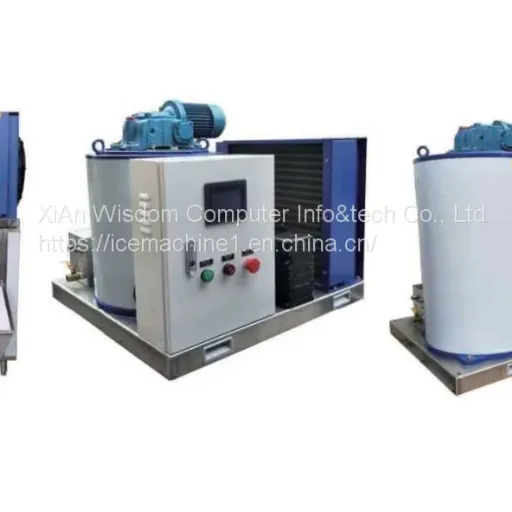
A methodical approach to how to choose a flake ice machine reduces the risk of an equipment mismatch. The key is to define requirements first, then confirm that the documented specifications for the selected model match those requirements under actual site conditions.
Before making a purchasing decision, verify that you have completed the following selection checklist:
Defined the ice application, output requirement, and operating schedule, including peak demand
Collected site conditions for water supply, drainage, ventilation, electrical supply, and ambient environment
Requested and reviewed current model-specific documentation, including capacity data corrected for your conditions
Built a comparison of shortlisted models under identical operating assumptions
Confirmed commercial terms, delivery, warranty, and destination-market requirements in writing
Prepared the installation plan, including utility connections, commissioning, and maintenance planning
Each of these steps relies on documented information, not assumptions. If a specification, condition, or term is unclear, request clarification in writing before proceeding.
This company provides information on flake ice machines as part of its stated ice-making equipment categories. Product availability, model specifications, and commercial terms require confirmation for each enquiry. Discuss your intended application and operating conditions so the relevant equipment category and available documentation can be checked against your requirements. Request current model-specific information, confirm specifications, and verify commercial terms before placing an order.
Recently Posted
-
Refrigerated cabinet power and temperature requirements: a buyer's checklist
August 8, 2026In March 2025, a buyer named Elena took delivery of three refrigerated cabinets for a grocery store her company was fitting out. T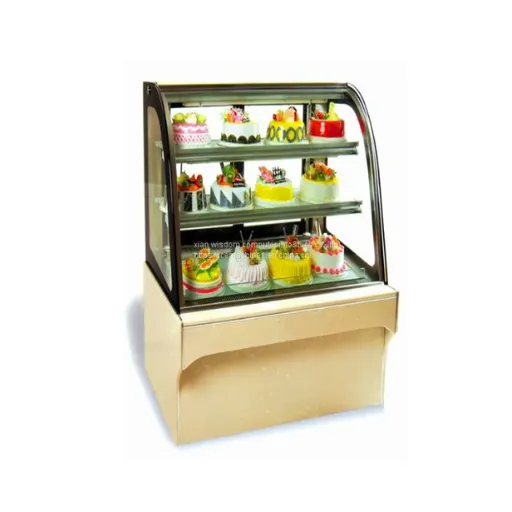 Read More
 -
Refrigerated Cabinet Selection Checklist: How to Specify the Right Unit for Your Operation
August 8, 2026Maria, a procurement manager for a mid-sized foodservice distributor, thought she had done everything right. She compared three re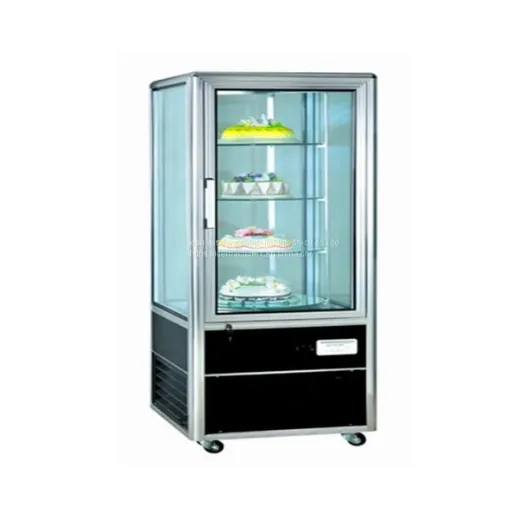 Read More
 -
What affects dehumidifier capacity? A buyer's guide to accurate sizing
August 8, 2026Last summer, a warehouse manager in Florida ordered a 50 L/day dehumidifier for a 2,000 m² storage area because the supplier's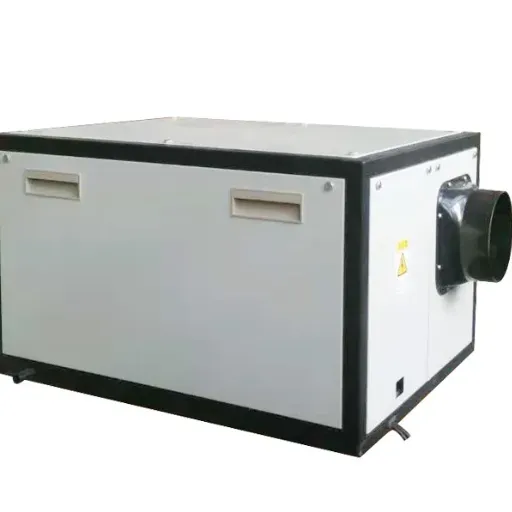 Read More
 -
Dehumidifier installation and drainage requirements: a buyer's guide
August 8, 2026In March 2024, a maintenance team at a seafood processing plant installed a commercial dehumidifier without checking the drain slo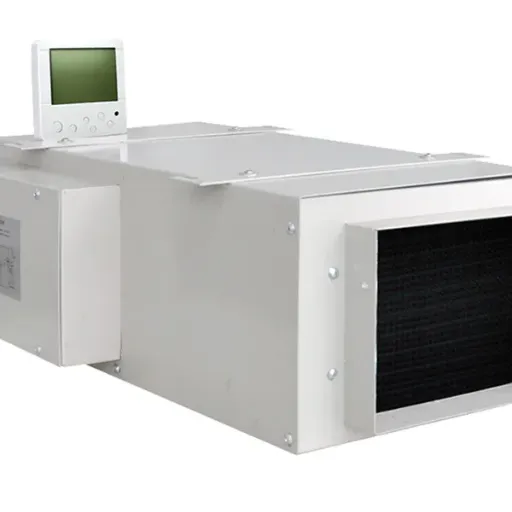 Read More

Contact Us
Recommended Products
-
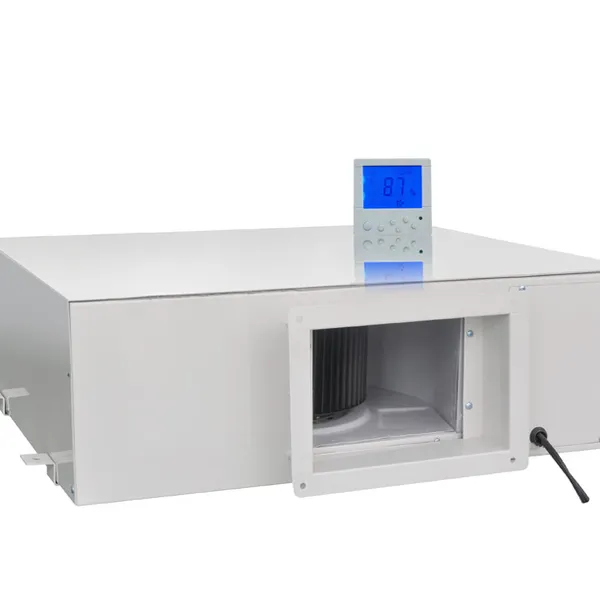
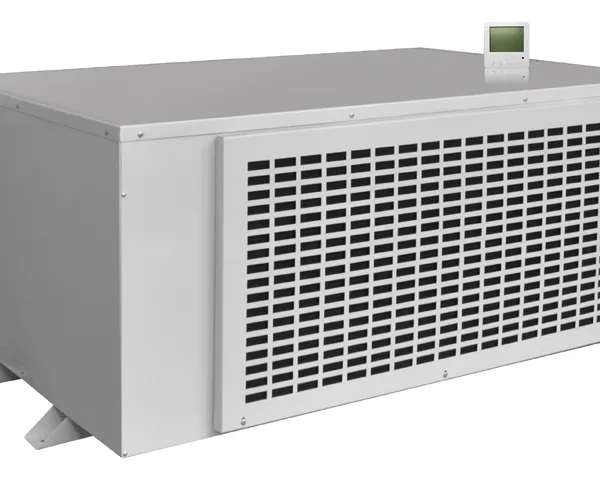
 Large Capacity Ceiling Mounted Space Saving Indoor Pool DehumidifierNegotiableMOQ: 1 Piece
 -
Commercial Home Use Bathroom Dehumidification Swimming Pool Ceiling Mounted Mini DehumidifierNegotiableMOQ: 1 Piece
-
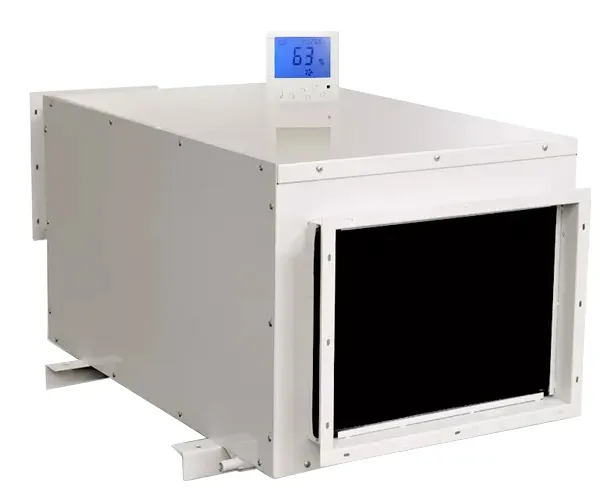
Greenhouse Grow Room Industrial Ceiling Mounted Duct Indoor Pool DehumidifierNegotiableMOQ: 1 Piece
-
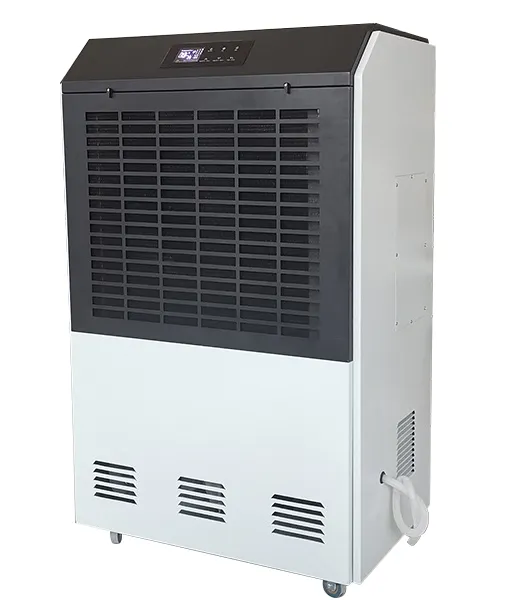
Duokai OEM Indoor Dehumidifier Portable Swimming Pool Dehumidifier in Stock With CENegotiableMOQ: 1 Piece
-
High Quality Low Voltage ODM & OEM PLC Distribution CabinetNegotiableMOQ: 1 Set

-
Saladin Type Malt Production LineNegotiableMOQ: 1 Set
-
Seawater Desalination SystemUS$ 2000 - 1000000MOQ: 1 Set
-
High Speed Synthetic Lane Bowling Ball ReturnUS$ 50 - 2000MOQ: 10 Pieces
-
Reliable Automatic Six Axis Industrial Packing Robot With Self Diagnostic SystemNegotiableMOQ: 1 Piece
-
Multi-Travel Radius Six Axis Servo Robot for Custom Automation WorkstationNegotiableMOQ: 1 Piece

-
Labor Saving 6 Axis Industrial Robot Boost Workshop Production EfficiencyNegotiableMOQ: 1 Piece
-
Factory Direct Wholesale Carton Palletizer Packing Line Robot for MilkNegotiableMOQ: 1 Piece
-
Six-Axis Industrial Robotic Arm for Handling Welding Loading UnloadingNegotiableMOQ: 1 Piece
-
High-Automation High-Precision Six-Axis Metal Laser Industrial Welding RobotNegotiableMOQ: 1 Piece
-
Six-Axis Automatic Industrial Welding Robot Arm With Competitive PriceNegotiableMOQ: 1 Piece