
 Business License

How to Compare Ice Maker Specifications: A Practical Buyer's Checklist
Elena, a procurement manager for a regional hotel group, received three quotes for a commercial ice maker. Each datasheet showed the same headline capacity: 200 kg per day. One unit was priced 30% lower, so her first instinct was to recommend it. Then she read the footnotes. The low-priced machine was rated at 21 degrees C air and 10 degrees C water. Her hotel kitchen averaged 30 degrees C in summer, and incoming water reached 18 degrees C. The unit also required a 380 V supply, but the site only supported 220 V. What looked like a straightforward comparison became a lesson in how to compare ice maker specifications carefully.
If you have ever looked at two ice maker specification sheets and wondered why the same headline number hides very different real-world performance, you are not alone. Catalog capacity, voltage, water use, and dimensions are only useful when they are compared under the same conditions and against the same application. That is true whether you compare ice maker specs from a shortlist or review full specification sheets side by side. A lower price can disappear quickly if the unit needs electrical upgrades, produces less ice in your environment, or lacks the documentation your market requires.
In this guide, you will learn how to compare ice maker specifications on equal terms. We will cover application requirements, capacity rating conditions, utility and installation needs, construction and hygiene standards, operating costs, and the documentation to request before you finalize a quotation.
Already have your application and site conditions ready? Contact the sales team to request current model documentation and a tailored quotation.
Start with the application before you compare ice maker specifications
The specification sheet is a record of what a machine can do under specific test conditions. It does not tell you whether that machine is right for your operation. Before you compare any two ice maker specifications, define the application clearly. The right questions will turn a confusing list of numbers into a useful shortlist.
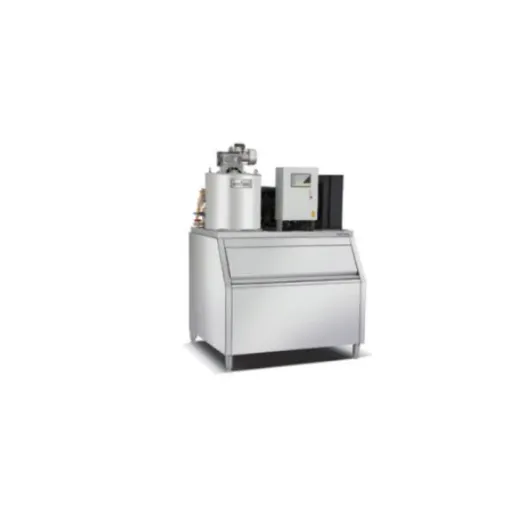
First, identify the ice form. Cubed ice, flake ice, nugget ice, and gourmet ice serve different purposes, melt at different rates, and are produced by different equipment categories. A flake ice machine and a cube ice maker may both be listed under the same broad product family, but their specifications are not interchangeable. Second, estimate your peak daily demand and your pattern of use. A machine that produces enough ice across 24 hours can still run out during a one-hour rush if the bin is too small. Third, record the site conditions that affect performance: ambient temperature, incoming water temperature, ventilation, electrical supply, drainage, and available space.
XiAn Wisdom Computer Info&tech Co., Ltd lists ice makers, flake ice machines, dry ice machines, and ice cream machines among its product categories. The right category depends on the ice form and application, so confirm which models are available for your market before comparing detailed specifications.
Match the ice type to the use case
Different ice forms are not cosmetic variations. Cubed ice is common in beverage service because it is slow melting and visually clear. Flake ice is often used for food display, seafood counters, and processing because it conforms to products and cools quickly. Nugget ice is softer and is popular in healthcare and quick-service drinks. Gourmet or top-hat ice is used in bars where appearance matters.
Each form also has different production characteristics. A flake ice machine may need to run continuously during service, while a cube ice maker produces in batch harvest cycles. If your application needs flake ice, review the flake ice machine options separately, because output, storage, water use, and installation requirements differ from cubed ice.
Identify the duty cycle and peak demand
A specification sheet usually shows a 24-hour production rate. Your operation may not use ice evenly across 24 hours. A restaurant may need most of its ice between 11 a.m. and 2 p.m., while a hotel may refill an ice dispenser overnight. When you compare ice maker specifications, match the production pattern to the duty cycle. A machine with a lower headline capacity but a larger bin may outperform a higher-capacity unit with no storage for your specific use.
If you are unsure how to estimate daily and peak demand, use an ice maker capacity guide to work through the calculation before comparing models. An ice maker capacity guide can help you confirm the right baseline.
Compare ice maker specifications for production capacity on equal terms
Capacity is the first number most buyers notice, and it is also the easiest number to misread. Understanding ice maker capacity requires more than reading the headline figure. Two commercial ice maker models can both be labeled 200 kg per day while producing very different amounts of ice in your building. The difference lies in the rating conditions.
Most manufacturers test commercial ice makers at standard conditions, often 21 degrees C ambient air and 10 degrees C incoming water. Those conditions are cooler than many real kitchens, especially in warm climates or during summer. When ambient air or incoming water is warmer, production falls and energy use rises. A fair comparison requires capacity figures at the conditions your site will actually experience.
The Air-Conditioning, Heating, and Refrigeration Institute (AHRI) publishes test standards and certification programs for automatic commercial ice makers. Look for AHRI-rated performance data and ask for the output at both standard and high-temperature conditions. You can review the current AHRI certification program operations manual for automatic commercial ice makers here.
Check the ambient and water temperature ratings
Request the capacity curve or capacity table for each model. A good datasheet shows output at multiple ambient temperatures, such as 21 degrees C, 32 degrees C, and 38 degrees C, and at different incoming water temperatures. If your kitchen regularly exceeds 30 degrees C, the 38-degree rating is more relevant than the 21-degree headline number.
Water temperature has a similar effect. Warm water must be cooled before it freezes, so every degree above the test condition slows production. If your building has warm tap water in summer, specify the expected range in your enquiry and request the capacity at that range.
Distinguish continuous and batch production rates
Batch-type ice makers, such as most cube and gourmet ice machines, freeze and harvest ice in cycles. Their rating is the total ice produced over 24 hours under test conditions. Continuous-type machines, such as flake and nugget ice makers, produce ice constantly while running. Their output is also expressed per 24 hours, but the uptime assumption matters. A machine that runs 18 hours per day will produce less than its 24-hour rating.
When you compare ice maker specifications, confirm whether the rating assumes continuous operation and whether your operating hours match that assumption. Do not compare a batch machine and a continuous machine on headline capacity alone.
Evaluate utility and installation specifications
Capacity means little if the machine cannot be installed and operated in your space. Utility and installation specifications determine whether a quoted unit will fit, run, and drain correctly. Compare these items side by side before considering price.
Water supply, pressure, quality, and drainage
Every ice maker needs a potable water supply. Check the inlet size, minimum and maximum pressure, and required flow rate. Low pressure can extend fill cycles and reduce output. High pressure may require a regulator. Hard water, sediment, or high chlorine levels can damage the evaporator and affect ice quality, so ask whether a filter, softener, or scale inhibitor is recommended or required for the selected model.
Drainage is equally important. Some units use gravity drains; others use pumps. A pump drain adds cost, noise, and a potential failure point. Confirm the drain type, location, and required fall before ordering. If your site lacks a floor drain near the intended location, the installation cost can change the economics of the purchase.
For more detail on site preparation, review the ice maker installation requirements for the models you are considering.
Electrical requirements
Voltage, frequency, phase, and maximum current must match your supply and local regulations. A 380 V three-phase machine cannot run on a 220 V single-phase supply without additional infrastructure. Even when the voltage matches, confirm the frequency. Many regions use 50 Hz, while others use 60 Hz. A machine designed for the wrong frequency may run poorly or be unsafe.
Check the maximum current and whether a dedicated circuit is required. Also confirm the plug or terminal configuration. Electrical incompatibility is one of the most expensive specification mistakes to fix after delivery.
Ventilation, clearance, and noise
Air-cooled ice makers reject heat into the room. If the unit is placed in a small closet, under a counter with poor airflow, or next to heat-producing equipment, it will run hotter and produce less ice. Manufacturer datasheets specify minimum clearances on all sides for airflow and service access. Compare those clearances against your actual floor plan.
Noise can also matter. A machine placed in a guest corridor, an open kitchen, or a small back-of-house area may need acoustic consideration. Remote condensing units move heat and noise outside, but they require refrigerant lines and outdoor placement. Compare the total installation footprint, not just the machine dimensions.
Compare physical construction and hygiene
The materials, dimensions, and design of an ice maker affect how long it lasts, how easy it is to clean, and whether it meets food-safety requirements in your market.
Dimensions, form factor, and storage
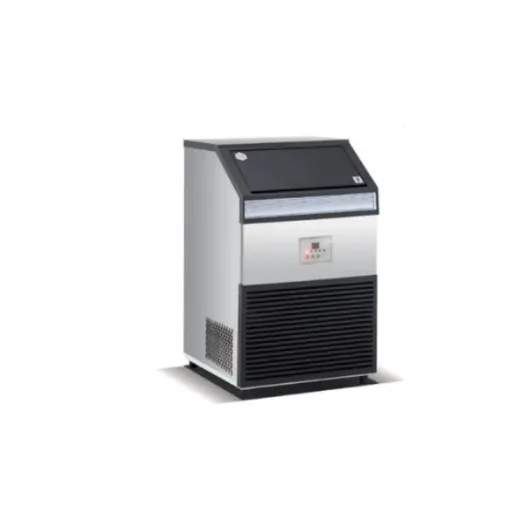
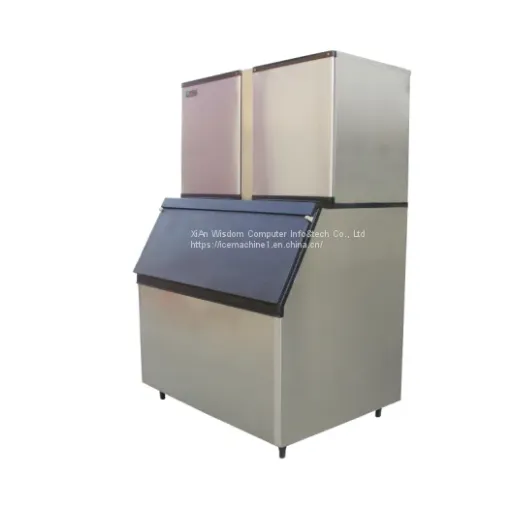
Confirm the external dimensions and the space needed for doors, bins, and service access. A unit that is 5 mm too wide for the alcove is not a minor problem. Compare the form factor as well. Self-contained units combine production and storage in one cabinet. Modular heads sit on separate bins and offer more flexibility. Undercounter units fit below counters but may have smaller bins.
Storage capacity is separate from production capacity. A machine rated at 200 kg per day with a 25 kg bin can only deliver 25 kg at any one time. If your peak hour consumes 30 kg, you need either a larger bin or a faster production rate to recover between rushes.
Materials and cleanability
Food-contact surfaces should use materials that are easy to clean and corrosion resistant. Stainless steel is common for exteriors and critical internal parts. Plastic components should be food grade and accessible for cleaning. Ask how often the manufacturer recommends cleaning and sanitizing, and whether the cleaning cycle is automated or manual.
Ice is a food product in most jurisdictions. Poor cleanability leads to biofilm, off tastes, and health-code issues. When you compare ice maker specifications, do not treat hygiene as a secondary feature.
Certifications for food equipment
In food-service applications, equipment is often required to meet recognized sanitation standards. NSF publishes food equipment standards, including NSF/ANSI 12 for automatic ice making equipment. The U.S. FDA Food Code also provides guidance on ice as a food product. Confirm which certifications apply to your destination market and request evidence for the exact model under consideration.
You can review the NSF food equipment standards portfolio here and the FDA Food Code here.
Compare operating costs and support
The purchase price is only part of the cost. Energy, water, maintenance, and downtime affect the total cost of ownership. A machine with a lower price and higher running costs can become the more expensive choice over five years.
Energy and water consumption
Energy use is usually expressed in kWh per 100 lb (45 kg) of ice produced. Water use is expressed in gallons per 100 lb or liters per kilogram. These figures depend on the same rating conditions as capacity, so compare them at the same ambient and water temperatures.
ENERGY STAR provides efficiency criteria for commercial ice makers. Certified models meet defined energy and water limits, which can help you narrow a shortlist. The ENERGY STAR product criteria for commercial ice makers are available here. For additional guidance on efficient procurement, the U.S. Department of Energy's Federal Energy Management Program publishes advice on purchasing energy-efficient air-cooled ice machines here.
Be careful not to treat certification as proof of suitability. A certified model is still the wrong choice if its capacity, voltage, or ice form does not match your application.
Maintenance, parts, warranty, and service
Even a well-built machine needs cleaning, filter changes, and occasional service. Before you compare ice maker specifications, ask what support documentation is available. A current manual, parts list, wiring diagram, and cleaning procedure reduce downtime and make it easier to find local service.
Request written warranty terms for the specific model and market. Warranty length, coverage for the compressor, and whether on-site service or parts-only support is provided can vary. The company states that quality management and after-sales support are priorities, but you should still confirm the written terms for your selected model and order.
Marcus, an equipment distributor in Southeast Asia, learned this lesson in 2024. He compared two 200 kg per day models for a hotel client. The cheaper unit had no English-language manual, no local parts stockist, and no AHRI certification. The slightly more expensive unit came with a full manual, a two-year compressor warranty, and a listed local service agent. Marcus chose the second unit because the total cost of ownership over the warranty period was lower and his client would not face a long wait for spare parts.
Build a side-by-side comparison table
A specification comparison table forces you to line up the same data point for every model. Use the checklist below as a template. Leave any field blank if the supplier has not confirmed it in writing.
| Comparison point | Model A | Model B | Model C |
|---|---|---|---|
| Model number | |||
| Ice form | |||
| Rated capacity (kg/24 h or lb/24 h) | |||
| Rating conditions (air/water temperature) | |||
| Capacity at your site conditions | |||
| Storage bin capacity | |||
| Voltage / frequency / phase | |||
| Maximum current / circuit requirement | |||
| Water inlet size and pressure range | |||
| Drain type and location | |||
| Water filtration or treatment required | |||
| Condenser type (air / water / remote) | |||
| Ventilation clearance required | |||
| External dimensions (W x D x H) | |||
| Refrigerant type | |||
| Energy use per unit of ice | |||
| Water use per unit of ice | |||
| Food-equipment certifications | |||
| Warranty and support documentation |
Do not fill in a cell from memory or from a generic catalog description. Each value should come from the current datasheet, manual, or written quotation for the exact model.
Common mistakes when you compare ice maker specifications
Even experienced buyers can be misled by how ice maker specifications are presented. Watch for these common problems.
Comparing headline capacity only. Two machines rated at the same kg per day can perform very differently in a warm kitchen or with warm water. Always compare capacity at the same conditions.
Ignoring the rating temperature. A machine rated at 10 degrees C water will produce less ice if your incoming water is 20 degrees C. Request the capacity curve.
Mixing ice forms. A flake ice machine cannot replace a cube ice maker for beverage service, and a cube machine cannot produce flake ice for display. Confirm the ice form first.
Overlooking electrical compatibility. Voltage, frequency, and phase must match the site supply. Upgrading electrical infrastructure can cost more than the machine.
Forgetting drainage and water treatment. A missing floor drain or incompatible water quality can delay installation and reduce performance.
Skipping certification checks. Confirm which standards apply in your destination market and request evidence for the specific model.
Neglecting total cost of ownership. A low purchase price can be erased by high energy use, expensive filters, or limited parts availability.
James, a facilities manager for a catering company in London, used a checklist like the one above in early 2025. He was comparing three undercounter units for a satellite kitchen. Two units fit the budget, but one required a pump drain that the site could not accommodate, and the other needed a 32 A circuit that would have required a panel upgrade. The third unit was slightly more expensive but worked with the existing gravity drain and 16 A circuit. James avoided a cost overrun by comparing installation specifications as carefully as he compared capacity.
Conclusion
Learning how to compare ice maker specifications means moving beyond the headline capacity number to the conditions, utilities, installation, construction, and documentation behind it. Start by defining your application, ice form, peak demand, and site conditions. Then compare capacity at the same ambient and water temperatures, check electrical and drainage compatibility, and review energy use, certifications, and support terms.
Use an ice maker selection guide to organize your requirements before contacting suppliers. A structured ice maker selection guide helps you capture application, utility, and documentation needs in one place. When you are ready, request the current datasheet and quotation for each model you are considering, and confirm that every specification applies to your operating environment and destination market.
Prepare your application details, site conditions, and the comparison checklist above, then contact the sales team to request model documentation and a tailored quotation.
Recently Posted
-
Centrifugal blower selection: how to choose the right model for your application
August 12, 2026Most centrifugal blower selection mistakes are not made inside the machine. They are made before the enquiry goes out, when a buye Read More
 -
How to Select a Pump for Your Application: A Buyer's Guide
August 12, 2026In March 2026, a maintenance supervisor at a beverage plant in Monterrey filed a one-line request: "Get us a new water pump.& Read More
 -
Industrial Pump Selection: A Practical Guide for Buyers
August 12, 2026A plant engineer at a beverage bottling facility in Rotterdam ordered three pumps in March 2025, choosing them by flow rate and pr Read More
 -
How to choose water treatment equipment: a buyer's selection guide
August 12, 2026What would a failed water-quality audit cost your operation? For a food processor, a beverage plant, or a commercial facility, the Read More

Contact Us
Recommended Products
-
 Large Capacity Ceiling Mounted Space Saving Indoor Pool DehumidifierNegotiableMOQ: 1 Piece
 -
Commercial Home Use Bathroom Dehumidification Swimming Pool Ceiling Mounted Mini DehumidifierNegotiableMOQ: 1 Piece
-
Greenhouse Grow Room Industrial Ceiling Mounted Duct Indoor Pool DehumidifierNegotiableMOQ: 1 Piece
-
Duokai OEM Indoor Dehumidifier Portable Swimming Pool Dehumidifier in Stock With CENegotiableMOQ: 1 Piece
-
High Quality Low Voltage ODM & OEM PLC Distribution CabinetNegotiableMOQ: 1 Set
-
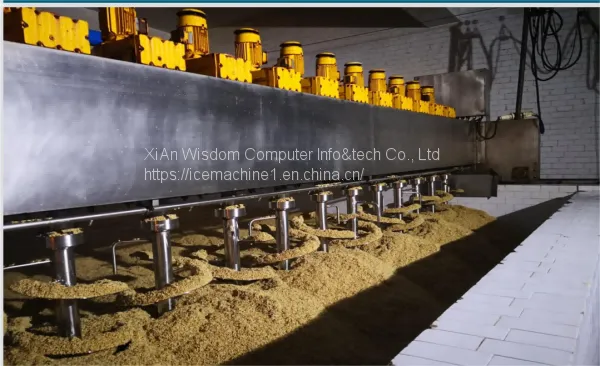
Saladin Type Malt Production LineNegotiableMOQ: 1 Set
-
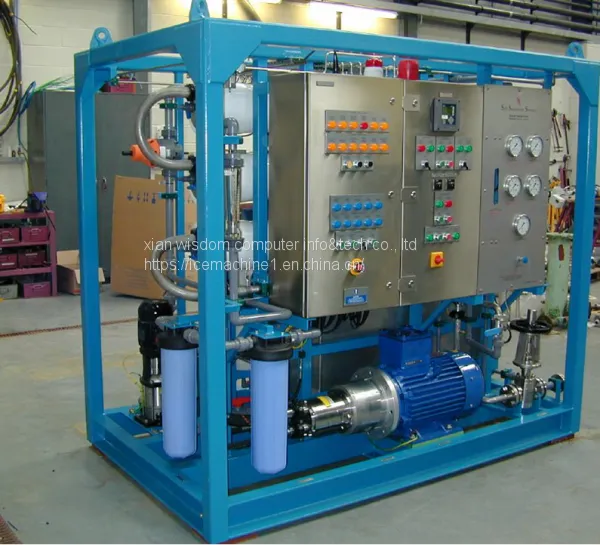
Seawater Desalination SystemUS$ 2000 - 1000000MOQ: 1 Set
-
High Speed Synthetic Lane Bowling Ball ReturnUS$ 50 - 2000MOQ: 10 Pieces
-
Reliable Automatic Six Axis Industrial Packing Robot With Self Diagnostic SystemNegotiableMOQ: 1 Piece
-
Multi-Travel Radius Six Axis Servo Robot for Custom Automation WorkstationNegotiableMOQ: 1 Piece
-
Labor Saving 6 Axis Industrial Robot Boost Workshop Production EfficiencyNegotiableMOQ: 1 Piece
-
Factory Direct Wholesale Carton Palletizer Packing Line Robot for MilkNegotiableMOQ: 1 Piece
-
Six-Axis Industrial Robotic Arm for Handling Welding Loading UnloadingNegotiableMOQ: 1 Piece
-
High-Automation High-Precision Six-Axis Metal Laser Industrial Welding RobotNegotiableMOQ: 1 Piece
-
Six-Axis Automatic Industrial Welding Robot Arm With Competitive PriceNegotiableMOQ: 1 Piece