
 Business License

Ice Maker Water and Drainage Requirements: A Buyer's Installation Guide
A procurement manager for a hotel chain once requested quotations for three commercial ice makers. Every supplier quoted daily output in kilograms. Only one included a note about minimum water pressure, drain height, and inlet connection size.
After selecting a model, the facilities team discovered that it needed a dedicated cold-water line and a gravity drain within one meter of the planned location. The overlooked ice maker water and drainage requirements added unplanned plumbing work and pushed the opening date back by ten days.
If you are buying an ice maker for a restaurant, hotel, healthcare facility, or retail operation, capacity is only part of the picture. Water supply, drainage routing, and connection details often determine whether installation runs on schedule or runs over budget. This guide explains the ice maker water and drainage requirements you should confirm before selecting a model, requesting a quotation, or scheduling installation.
You will learn how to check water pressure, flow rate, temperature, and quality; how to plan drainage correctly; how location affects both systems; and which model documentation to request so your team can verify every specification.
In brief, ice maker water and drainage requirements include incoming water pressure, flow rate, temperature, and quality; inlet connection size and shutoff valve placement; drain type, height, and slope; air gap or standpipe compliance; and local backflow rules. Confirm each value in the model's current installation manual.
Ice maker water and drainage requirements at a glance
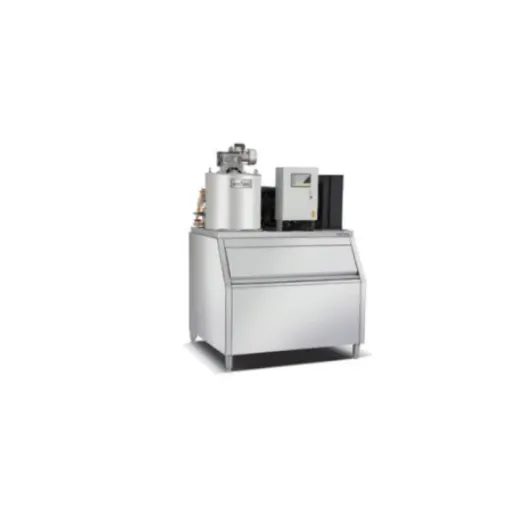
Before selecting an ice maker, confirm the following conditions for your site:
Incoming water pressure and flow rate at the machine location
Incoming water temperature range and water quality
Inlet connection size and a nearby shutoff valve
Drain type: gravity drain or drain pump
Drain height, slope, air gap, or standpipe requirements
Local backflow-prevention rules
Ambient temperature, ventilation, and clearance around the unit
Note: Internal links in this draft point to planned page paths. Confirm each URL is live and approved before publishing.
Why ice maker water and drainage requirements matter before you select an ice maker
An ice maker turns incoming water into frozen product and then discharges unused water, melted ice, and condensate. That simple cycle depends on consistent water supply and reliable drainage. If either condition is wrong, the machine may produce less ice than rated, trigger error codes, or require expensive site modifications.
Start your selection process by defining the application and the site conditions together. A buyer who only compares daily output risks choosing a machine that cannot operate efficiently in the available space. However, a buyer who documents water pressure, drainage path, inlet location, and ambient conditions can request model-specific confirmation and compare like-for-like quotations.
Want to see which equipment category matches your application? Explore ice-making equipment options →
Capacity is not enough
Output ratings are useful, but they assume rated operating conditions. Water temperature, ambient temperature, ventilation, and incoming pressure all affect how much ice a machine actually produces. A unit rated for 150 kg per day may not reach that figure if the incoming water is too warm or the water pressure is below the manufacturer's minimum. Certification programs such as AHRI Certified provide standardized performance ratings for ice makers; use them as a reference, but verify model-specific data with the supplier.
Before comparing models, record the site conditions that affect performance:
Incoming water temperature range
Minimum and maximum water pressure at the proposed inlet location
Drain position and available fall or slope
Ambient temperature and ventilation around the machine
Electrical supply details (voltage, frequency, and phase)
This information belongs in every quotation request. Suppliers can then confirm whether a model is suitable or recommend an alternative.
Site conditions shape installation cost
The cost of preparing a site often exceeds the difference between two ice maker models. A missing drain pump, an undersized water line, or a shutoff valve in the wrong place can add labor and materials that were not in the original budget. Identifying ice maker water and drainage requirements early lets you include those costs in the project plan rather than discovering them during installation.
Ice maker water supply requirements
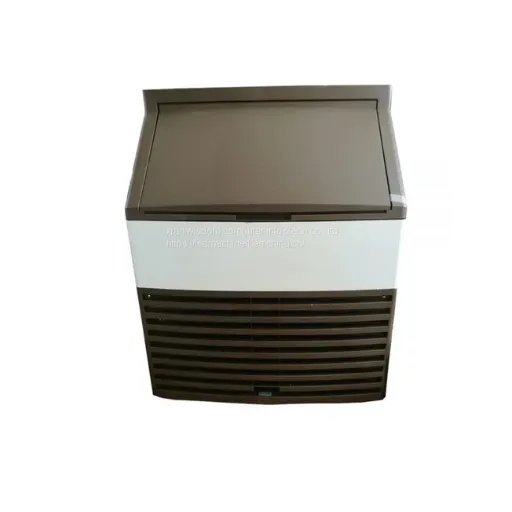
Every ice maker needs a reliable cold-water supply with the correct pressure, flow, temperature, and quality. The exact values are model-specific, so confirm them in the manufacturer's documentation for the unit under consideration.
Water pressure and flow rate
Water pressure pushes water through the fill valve and into the ice-making compartment. If pressure is too low, fill times become longer and ice production drops. Conversely, if pressure is too high, the fill valve, seals, or tubing may be damaged over time.
Typical commercial ice makers specify a minimum and maximum inlet pressure. Common ranges fall between 1.0 and 5.5 bar (15 to 80 psi), but the acceptable window varies by model. Flow rate matters because the machine must receive enough water during each fill cycle to form a full batch of ice.
Before installation, measure the actual pressure at the proposed machine location, not at the building main. Understanding ice maker water supply starts with the pressure and flow rate at the point of use. Long pipe runs, elbows, and shared lines can reduce pressure at the machine. If pressure is outside the model's range, you may need a booster pump or a pressure-reducing valve.
Verification required: Confirm the minimum and maximum inlet pressure for the selected model from the current datasheet or installation manual.
Water temperature and quality
Colder incoming water improves ice-making efficiency because the machine has less heat to remove. Many manufacturers recommend an incoming water temperature between 10 °C and 21 °C (50 °F to 70 °F). Water that is too warm reduces output and increases energy consumption.
Water quality also affects ice clarity, taste, and machine longevity. Hard water leaves scale on evaporator plates and sensors. High chlorine levels can affect taste, and sediment can clog filters and valves. For food-service applications, confirm that materials and construction meet applicable sanitation standards such as those referenced by NSF/ANSI.
Many operators install a water filter or treatment system upstream of the ice maker. The Water Quality Association publishes general guidance on water treatment for commercial equipment, but always follow the manufacturer's specific recommendations for the selected model.
Ask the supplier or manufacturer:
What is the recommended incoming water temperature range?
Does the model require a specific water hardness level?
Is a sediment or carbon filter recommended or required?
What is the recommended filter replacement interval?
Inlet connection and shutoff valve
The inlet connection size and type must match the local plumbing. Common sizes include 3/8 inch or 1/2 inch compression or NPT fittings, but these details are model-specific. The connection must be accessible for installation and future maintenance.
A dedicated shutoff valve should be installed near the machine. This allows staff to isolate the unit for cleaning, filter changes, or service without shutting down other equipment. Some local codes also require a backflow prevention device between the potable water supply and the ice maker.
In another common scenario, a facilities supervisor in Singapore installed a modular ice maker behind a hotel bar. The existing flexible hose was assumed to be sufficient. The machine required a 1/2 inch NPT inlet with a minimum pressure of 2.0 bar.
The hose was 3/8 inch and also served a sink two meters away, so pressure at the ice maker dropped below the minimum during peak use. The supervisor had to run a dedicated 1/2 inch line from the main with its own shutoff valve. The fix was straightforward, but it delayed the opening by three days and added plumbing labor that had not been quoted.
Ice maker drainage requirements to plan for
Drainage is often the most overlooked part of ice maker installation. Ice maker drainage requirements vary by model and local plumbing code. Ice makers discharge water from several sources: purge water during the ice-making cycle, melted ice from the storage bin, and condensate from the refrigeration system.
Each discharge must reach a suitable drain without backing up or creating a sanitation risk. Therefore, plan the drain layout before selecting a machine.
Gravity drains vs. drain pumps
Many ice makers rely on gravity to move water to a floor drain. The drain outlet must be lower than the machine's drain connection, and the pipe must maintain a downward slope toward the drain. The manufacturer usually specifies a maximum drain height or a minimum slope.
If a gravity drain is not available, a drain pump may be required. Drain pumps push water horizontally or vertically to a remote drain. Not every ice maker is compatible with a pump, and pump models have their own flow limits and lift ratings. If you need a pump, confirm that it is approved for use with the selected ice maker and that its lift capacity matches the installation layout.
| Drain type | Best for | Key check |
|---|---|---|
| Gravity drain | Floor drain below the machine | Slope, distance, and drain size meet the manual |
| Drain pump | Remote drain or drain above the unit | Pump lift and flow rate match manufacturer requirements |
Air gap and standpipe requirements
Local plumbing codes often require an air gap between the ice maker drain line and the receiving drain. An air gap prevents wastewater from siphoning back into the machine if the drain backs up. The required gap distance varies by jurisdiction and by the size of the drain line.
A standpipe is a vertical pipe that receives the drain hose. If your installation uses a standpipe, confirm the standpipe height and diameter with the installation manual and local code. A standpipe that is too short or too narrow can cause overflow.
Floor drains and backflow prevention
Floor drains should be large enough to handle the peak discharge rate of the ice maker and any other equipment connected to the same drain. A drain that is too small can back up during the purge cycle. Grease traps or interceptors may be required in food-service environments.
Backflow prevention protects the potable water supply. Requirements depend on local plumbing code and the machine design. Some installations need a simple air gap; others require a mechanical backflow preventer. Confirm the requirement with a licensed plumber or the local authority before installation.
Need a structured checklist for your next equipment purchase? Download the equipment selection checklist →
How installation location affects water and drainage design
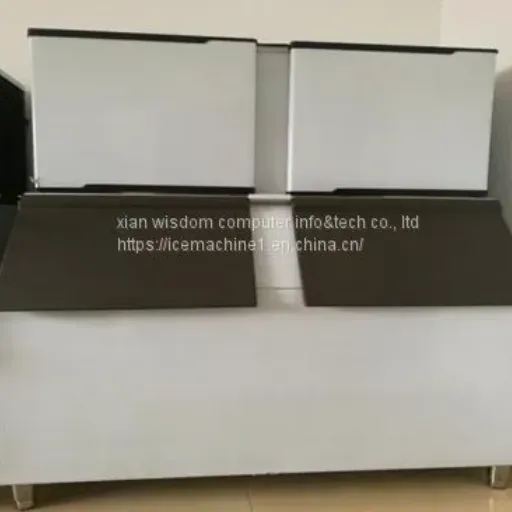
The proposed location for the ice maker influences every plumbing decision. A successful commercial ice maker installation depends on matching the machine's utility requirements to the actual site. For example, a machine placed in a back-of-house corner may be far from a suitable drain. A machine placed on a countertop may have limited clearance for a drain pump.
Additionally, heat from nearby cooking equipment can raise ambient temperature and reduce ice production.
Clearance and access
Ice makers need clearance around the unit for airflow, cleaning, and service. The installation manual specifies minimum clearances on the sides, back, and top. These clearances also affect where water lines and drains can be routed.
Plan the water line and drain so they do not block service access. A shutoff valve hidden behind cabinetry may look tidy, but it slows maintenance. Similarly, a drain hose routed through a tight space may kink or form low points where water collects.
Ambient temperature and ventilation
Ice makers release heat from the refrigeration condenser. If the surrounding air is too warm, the machine works harder and produces less ice. Many manufacturers specify a maximum ambient temperature between 32 °C and 43 °C (90 °F to 110 °F), depending on the model.
Good ventilation also prevents warm air from recirculating through the unit. Avoid placing an ice maker in a small unventilated closet or directly next to ovens, grills, or dishwashers. If the location is warm, you may need to improve ventilation or choose a model with a higher ambient rating.
Distance to water and drain
Longer pipe runs increase pressure drop and the risk of leaks. Measure the actual distance from the proposed machine location to the nearest cold-water line and drain. Include the number of bends and fittings because each one adds resistance.
If the drain is far from the machine, a drain pump may be the only practical solution. If the water line is long, you may need a larger pipe diameter or a booster pump to maintain pressure. Record these distances and elevations in your quotation request so the supplier can confirm compatibility.
Common mistakes that delay ice maker installation
Even experienced buyers make assumptions about water and drainage. The following mistakes are easy to avoid if you verify each requirement against the model documentation.
| Mistake | Why it matters | How to avoid |
|---|---|---|
| Assuming tap pressure is the same everywhere | Low pressure reduces ice output | Measure pressure at the machine location |
| Forgetting the drain pump | Gravity drainage may be impossible | Check drain outlet height before ordering |
| Using the wrong water line size | Inadequate flow or pressure | Match inlet size to the manufacturer's spec |
| Overlooking local codes | Failed inspection or backflow risk | Confirm air gap and backflow rules locally |
| Skipping the site survey | Model-site mismatch causes delays | Record conditions and confirm with the supplier |
Assuming tap pressure is the same everywhere
Building mains pressure and pressure at the machine location are rarely the same. Measure pressure at the exact inlet point during normal operating hours. Other equipment drawing from the same line can cause pressure to drop when it runs.
Forgetting the drain pump
A buyer sees a nearby sink and assumes drainage is solved. If the sink drain is higher than the ice maker drain outlet, gravity drainage is impossible. Confirm the drain outlet height relative to the receiving drain before ordering.
Using the wrong water line size
A 3/8 inch line may be fine for a small undercounter unit but inadequate for a large modular machine. Match the inlet connection size and pipe diameter to the manufacturer's specification and the expected flow rate.
Overlooking local codes
Plumbing codes differ by country, region, and even city. Requirements for air gaps, backflow prevention, and drain sizing should be confirmed with a local plumber or inspector. Do not rely on a general article or a supplier's default assumption.
Skipping the pre-installation site survey
A site survey compares the proposed machine against actual conditions. It should record water pressure, drain position, electrical supply, ambient temperature, ventilation, and access. Share the survey with the supplier and request written confirmation that the model is suitable.
Documentation to request before ordering
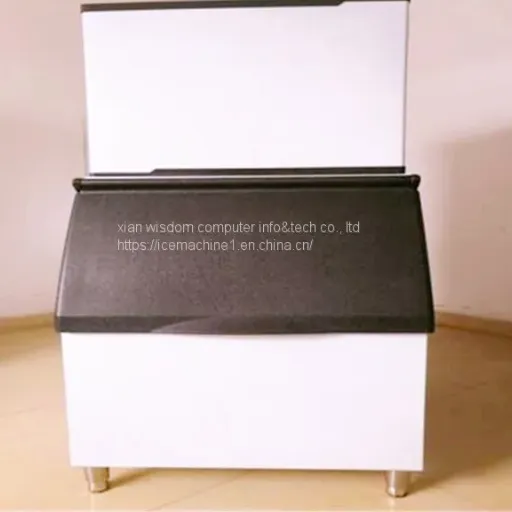
The right documentation protects both buyer and supplier. Before finalizing an order, request the following documents for the exact model under consideration. A technical documentation guide can help your team verify datasheets, manuals, and certification records for industrial equipment.
Installation manual: Contains water pressure, flow rate, inlet size, drain connection, clearances, and ambient requirements.
Technical datasheet: Lists capacity, power consumption, dimensions, and weight under rated conditions.
Water quality recommendations: Describes acceptable hardness, temperature, filtration, and treatment needs.
Drain pump specifications: If a pump is needed, confirm the approved model, flow rate, and maximum lift.
Warranty and service terms: States what is covered and what maintenance is required to keep the warranty valid.
Certification documents: Confirms applicable safety, sanitation, or electrical certifications for the destination market.
A distributor preparing a quotation for a Middle Eastern client requested documentation upfront. The distributor discovered that the selected model needed a water filter rated for the local water hardness. The filter was included in the offer, which avoided a site complaint after delivery. That extra review saved a return visit and protected the client relationship.
Ready to compare documented specifications for your project? Review the ice maker selection guide →
Maintenance considerations tied to water and drainage
Water and drainage systems also affect ongoing maintenance. As a result, a well-planned installation makes cleaning and service easier and helps maintain ice quality.
Filter replacement and scale control
Most manufacturers recommend replacing water filters at set intervals or when pressure drops. Hard water areas may need more frequent filter changes or a scale-inhibition system. Scale buildup reduces efficiency, damages valves, and can affect ice quality.
Record the filter model, replacement interval, and any scale-control recommendations in the maintenance log. Train staff to shut off the water supply at the nearby isolation valve before changing filters.
Drain line cleaning
Drain lines can accumulate slime, scale, or food debris over time. Schedule regular cleaning according to the manufacturer's recommendations and local hygiene requirements. A drain line with traps or low points may need more frequent attention than a straight gravity run.
Leak checks
Inspect water inlet hoses, fittings, and drain connections during routine cleaning. A small leak under an ice maker can damage flooring and create a slip hazard. Early detection reduces repair costs and downtime.
Seasonal performance changes
Incoming water temperature often rises in summer. A machine that performed well in winter may produce less ice in summer if the water supply warms significantly. Monitor output during seasonal changes and adjust ventilation or water temperature if needed.
Conclusion
Ice maker water and drainage requirements are not optional details. They determine whether the machine installs on time, produces rated output, and remains easy to maintain. Start every purchase by documenting the application, site conditions, water supply, and drainage path. Then request the model-specific documentation needed to confirm compatibility.
The key takeaways are:
Measure water pressure, temperature, and quality at the proposed machine location.
Plan drainage based on gravity, drain pump options, air gaps, and local codes.
Match inlet connection size and pipe diameter to the manufacturer's specification.
Confirm ambient temperature, ventilation, and clearance before selecting a location.
Request the installation manual, datasheet, water-quality guidance, and certification documents before ordering.
If you are preparing an ice maker quotation or installation plan, gather the requirements checklist above and share it with your supplier. A few minutes of preparation can prevent costly site changes later.
Discuss your ice maker requirements and request model documentation →
Recently Posted
-
Refrigerated cabinet power and temperature requirements: a buyer's checklist
August 8, 2026In March 2025, a buyer named Elena took delivery of three refrigerated cabinets for a grocery store her company was fitting out. T Read More
 -
Refrigerated Cabinet Selection Checklist: How to Specify the Right Unit for Your Operation
August 8, 2026Maria, a procurement manager for a mid-sized foodservice distributor, thought she had done everything right. She compared three re Read More
 -
What affects dehumidifier capacity? A buyer's guide to accurate sizing
August 8, 2026Last summer, a warehouse manager in Florida ordered a 50 L/day dehumidifier for a 2,000 m² storage area because the supplier's Read More
 -
Dehumidifier installation and drainage requirements: a buyer's guide
August 8, 2026In March 2024, a maintenance team at a seafood processing plant installed a commercial dehumidifier without checking the drain slo Read More

Contact Us
Recommended Products
-
 Large Capacity Ceiling Mounted Space Saving Indoor Pool DehumidifierNegotiableMOQ: 1 Piece
 -
Commercial Home Use Bathroom Dehumidification Swimming Pool Ceiling Mounted Mini DehumidifierNegotiableMOQ: 1 Piece
-
Greenhouse Grow Room Industrial Ceiling Mounted Duct Indoor Pool DehumidifierNegotiableMOQ: 1 Piece
-
Duokai OEM Indoor Dehumidifier Portable Swimming Pool Dehumidifier in Stock With CENegotiableMOQ: 1 Piece
-
High Quality Low Voltage ODM & OEM PLC Distribution CabinetNegotiableMOQ: 1 Set
-
Saladin Type Malt Production LineNegotiableMOQ: 1 Set
-
Seawater Desalination SystemUS$ 2000 - 1000000MOQ: 1 Set
-
High Speed Synthetic Lane Bowling Ball ReturnUS$ 50 - 2000MOQ: 10 Pieces
-
Reliable Automatic Six Axis Industrial Packing Robot With Self Diagnostic SystemNegotiableMOQ: 1 Piece
-
Multi-Travel Radius Six Axis Servo Robot for Custom Automation WorkstationNegotiableMOQ: 1 Piece

-
Labor Saving 6 Axis Industrial Robot Boost Workshop Production EfficiencyNegotiableMOQ: 1 Piece
-
Factory Direct Wholesale Carton Palletizer Packing Line Robot for MilkNegotiableMOQ: 1 Piece
-
Six-Axis Industrial Robotic Arm for Handling Welding Loading UnloadingNegotiableMOQ: 1 Piece
-
High-Automation High-Precision Six-Axis Metal Laser Industrial Welding RobotNegotiableMOQ: 1 Piece
-
Six-Axis Automatic Industrial Welding Robot Arm With Competitive PriceNegotiableMOQ: 1 Piece