
 Business License

Ice Maker Power Supply Requirements: A Buyer's Installation Guide
A facilities manager in Dubai once approved a restaurant ice maker based on daily output and cabinet dimensions. The electrical drawing showed a 220 V single-phase outlet near the planned location, so the team assumed the connection was straightforward.
After the unit arrived, the installer discovered the machine needed 380 V three-phase power with a dedicated 32 A circuit. The restaurant had to run new cable, install a larger breaker, and delay the opening by two weeks. The overlooked ice maker power supply requirements turned a simple delivery into an unplanned electrical project.
If you are selecting a commercial ice maker for a restaurant, hotel, healthcare facility, or retail operation, capacity and price are only part of the decision. Voltage, frequency, amperage, phase configuration, and circuit protection determine whether the machine can be connected safely and legally. This guide explains the ice maker power supply requirements you should confirm before selecting a model, requesting a quotation, or scheduling installation.
You will learn how to read electrical ratings on a datasheet. You will also learn how site conditions affect power demand, how to match the machine to your supply, and which documents to request.
In brief, ice maker power supply requirements include rated voltage, frequency, phase, full-load amperage, starting current, circuit breaker size, grounding method, and cable sizing. Always confirm these values in the manufacturer's current installation manual for the exact model under consideration.
Ice maker power supply requirements at a glance
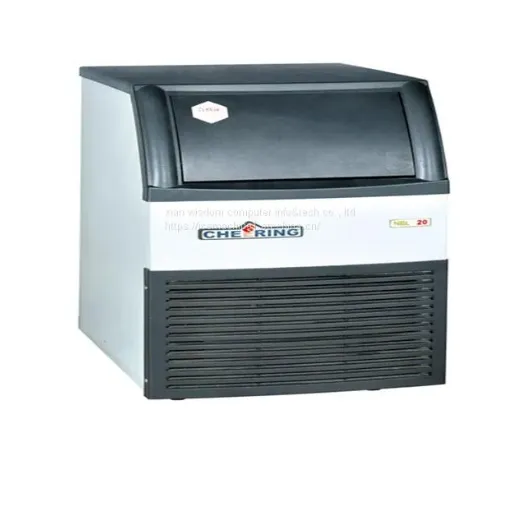
Before selecting an ice maker, confirm the following electrical conditions for your site:
Rated voltage and acceptable voltage range
Frequency (commonly 50 Hz or 60 Hz)
Phase configuration (single-phase or three-phase)
Full-load amperage and recommended circuit breaker size
Starting current or inrush current, if applicable
Grounding and earth-bonding requirements
Cable size and run length from the distribution panel
Local electrical codes and inspection requirements
Note: Internal links in this draft point to planned page paths. Confirm each URL is live and approved before publishing.
Why ice maker power supply requirements matter before you select a model
An ice maker converts electrical energy into mechanical refrigeration. That process depends on a compressor, fans, pumps, and control boards that all expect a stable supply within a specific voltage and frequency window. If the supply is wrong, the machine may fail to start, trip breakers, run at reduced capacity, or suffer premature component failure.
Start your selection by defining the application and the site electrical conditions together. A buyer who only compares daily output risks choosing a machine that cannot be connected to the available supply. A buyer who documents voltage, phase, amperage, and circuit capacity can request model-specific confirmation. That buyer can then compare like-for-like quotations.
Want to see which equipment category matches your application? Explore ice-making equipment options →
Output ratings assume standard electrical conditions
Ice maker capacity ratings are measured at rated operating conditions. Voltage, frequency, ambient temperature, water temperature, and ventilation all affect real-world output. A unit rated for 200 kg per day may not reach that figure if the supply voltage is at the low end of the acceptable range or if the frequency differs from the rating.
Before comparing models, record the electrical conditions at the proposed installation point:
Measured voltage at the outlet or distribution board during peak hours
Local grid frequency (50 Hz or 60 Hz)
Whether the supply is single-phase or three-phase
Available spare capacity on the circuit or panel
Distance from the panel to the machine location
This information belongs in every quotation request. Suppliers can then confirm whether a model is suitable or recommend an alternative.
Installation cost includes electrical preparation
The cost of preparing a site often exceeds the difference between two ice maker models. A missing three-phase supply, an undersized breaker, or a long cable run can add labor and materials that were not in the original budget. Identifying ice maker power supply requirements early lets you include those costs in the project plan rather than discovering them during installation.
Voltage and frequency: the foundation of ice maker power supply requirements
Voltage and frequency are the first two parameters to check. They describe the electrical "language" the machine expects from the grid. Connecting a 230 V / 60 Hz machine to a 230 V / 50 Hz supply may cause the compressor to run at the wrong speed, overheat, or fail.
Common voltage ratings for commercial ice makers
Commercial ice makers are typically rated for one of the following nominal voltages:
115 V (common in North American light-duty or undercounter units)
208 V to 240 V (common in North American commercial installations)
220 V to 240 V (common in single-phase European, Middle Eastern, and Asian markets)
380 V to 415 V (common in three-phase industrial and commercial installations)
The acceptable range around the nominal voltage is usually plus or minus 10%. A machine rated at 230 V may operate correctly between 207 V and 253 V. Values outside this range can cause control board errors, compressor overheating, or low ice production.
Verification required: Confirm the rated voltage and acceptable range for the selected model from the current datasheet or installation manual.
Frequency matters as much as voltage
Frequency determines the speed of alternating-current motors. Most commercial ice makers are designed for either 50 Hz or 60 Hz. A 60 Hz compressor connected to a 50 Hz supply runs slower and may overheat. A 50 Hz compressor connected to a 60 Hz supply runs faster and may draw excess current.
Some modern machines use inverter-driven compressors that can tolerate a wider frequency range. This is not universal, so check the documentation for the specific model. Do not assume a machine will work on both frequencies unless the manufacturer states it explicitly.
Regional differences buyers should confirm
A buyer importing equipment must confirm that the rated voltage and frequency match the destination country. For example, the United States and Canada primarily use 120 V / 60 Hz for small loads and 208 V to 240 V / 60 Hz for commercial loads. The United Kingdom and much of Europe use 230 V / 50 Hz. The United Arab Emirates and Saudi Arabia commonly use 230 V / 50 Hz single-phase and 400 V / 50 Hz three-phase.
Never rely on a general product category description for regional compatibility. Request the model-specific rating plate information and compare it to the local supply.
Phase configuration and amperage
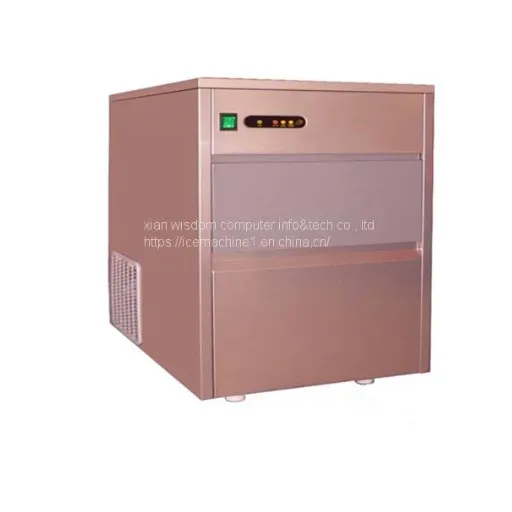
After voltage and frequency, the next two parameters are phase and amperage. These determine the type of supply connection, the breaker size, and the cable cross-section.
Single-phase vs. three-phase supply
Single-phase power uses one live conductor and a neutral. It is common for smaller ice makers, undercounter units, and machines rated up to about 1.5 kW to 2.5 kW input power. Three-phase power uses three live conductors and is common for larger machines, remote condensers, and high-output modular units.
A three-phase machine cannot run on a single-phase supply without a phase converter, which adds cost, complexity, and potential warranty issues. A single-phase machine can connect to one phase of a three-phase supply. The breaker and cable must still be sized for the single-phase load.
Before selecting a model, ask your electrician to confirm whether a single-phase or three-phase supply is available at the proposed location.
Full-load amperage and breaker sizing
Full-load amperage is the current the machine draws during normal operation. The installation manual will list this value, often as "FLA" or "rated current." A general rule is to size the breaker at 125% of the full-load amperage. Local codes and manufacturer instructions take precedence, however.
For example, a machine rated at 10 A full load may require a 13 A or 16 A breaker. A machine rated at 25 A may require a 32 A breaker. These values are illustrative only; always use the manufacturer's recommendation and local electrical code.
The National Electrical Code (NEC) in North America and IEC standards in many other regions provide general guidance on circuit sizing and protection. Apply the standard that applies to your destination market and have a qualified electrician review the installation.
Starting current and inrush
Compressors draw a higher current for a brief moment when they start. This inrush current can be three to eight times the full-load value for a fraction of a second. Circuit breakers and fuses must be selected to allow this inrush without nuisance tripping while still protecting the cable.
If your site already runs close to panel capacity, starting current may cause voltage dips. Those dips can affect other equipment. A soft starter or inverter-driven compressor can reduce inrush, but these features are model-specific. Confirm the starting current with the supplier if your electrical supply is limited.
How site conditions affect ice maker power demand
Site conditions influence the actual power an ice maker consumes. Hot ambient temperatures, warm incoming water, poor ventilation, and high altitude all force the refrigeration system to work harder.
Ambient temperature and ventilation
Ice makers reject heat through an air-cooled condenser or a water-cooled condenser. Air-cooled units need adequate clearance and airflow around the condenser. If the ambient temperature rises above the rated maximum, the compressor runs longer and draws more energy. In extreme cases, the machine may trip on high-pressure safety.
Install the unit away from heat sources such as ovens, dishwashers, or direct sunlight. Follow the manufacturer's minimum clearance requirements on all sides. These values are stated in the installation manual and should be part of your site plan.
Water temperature and quality
Colder incoming water reduces the refrigeration load. Warmer water increases it. If the local water supply is warm, the machine may draw more power to reach the same output. Water quality also affects power demand indirectly: scale buildup on the evaporator reduces heat transfer, forcing longer freeze cycles and higher energy use over time.
While water temperature is not an electrical parameter, it changes the effective power requirement of the machine. Include it in your site survey.
Altitude corrections
At higher altitudes, air density drops and air-cooled condensers become less efficient. Some manufacturers publish altitude derating factors. If your site is above 1,000 meters, confirm whether the model's ratings and electrical requirements change at altitude.
Matching the ice maker to your electrical infrastructure
Even when voltage and frequency match, the existing electrical infrastructure must support the new load. This section explains how to check capacity, circuit type, and connection method.
Check existing panel capacity
Add the ice maker's rated power to the existing loads on the distribution panel. If the panel is already near capacity, you may need a panel upgrade or a separate sub-panel. A qualified electrician can perform a load calculation based on local code.
Do not assume that a spare breaker slot means spare capacity. The panel bus rating, existing loads, and diversity factors all matter.
Dedicated circuits and isolation
Most commercial ice makers require a dedicated circuit. Sharing a circuit with other kitchen equipment can cause voltage drops, nuisance tripping, and interference. A dedicated circuit also makes maintenance and fault-finding easier.
Install a local isolator or disconnect switch within sight of the machine. This allows service personnel to de-energize the unit safely. Local codes may specify the type and location of the isolator.
Hardwired vs. plug-in connection
Small undercounter ice makers may connect via a plug and socket. Larger commercial units are usually hardwired into a terminal block. The connection method affects installation cost and flexibility:
Plug-in units are easier to move but may be limited to lower current ratings
Hardwired units support higher current and three-phase supplies but require an electrician for relocation
Confirm the connection method for the selected model before finalizing the site layout.
Cable sizing and voltage drop
Cable size must carry the rated current without excessive heating. Long cable runs cause voltage drop, which can reduce the voltage at the machine below the acceptable range. A common guideline is to limit voltage drop to 3% or less, but local codes and manufacturer requirements take precedence.
Your electrician should calculate cable size based on:
Rated current of the machine
Cable run length from panel to machine
Installation method (conduit, tray, direct burial, etc.)
Ambient temperature around the cable
Local derating rules
Verification required: Confirm cable size, breaker rating, and grounding method with a qualified electrician and the manufacturer's installation manual.
Documentation and verification checklist
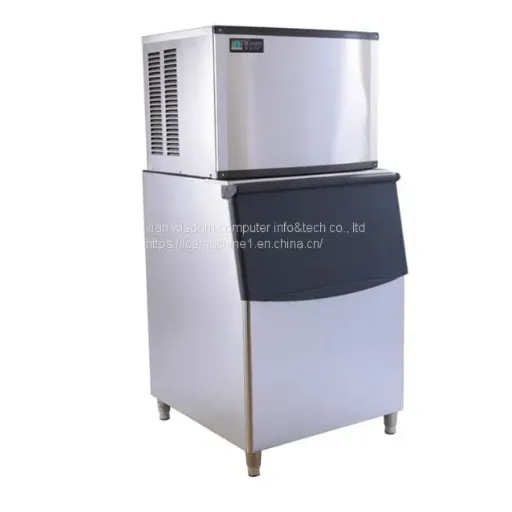
Request the following documents for the exact model under consideration. Do not rely on a general product category page or a brochure for electrical specifications.
Current datasheet with voltage, frequency, phase, and full-load amperage
Installation manual with recommended breaker size, cable size, and grounding
Wiring diagram showing terminal connections and control wiring
Nameplate drawing or rating plate photograph showing model number and electrical ratings
Declaration of conformity or test report for the destination market, if required
Spare parts list and recommended maintenance schedule
Keep a copy of these documents with your installation records. They will be needed for maintenance, warranty claims, and future electrical inspections.
Ready to prepare a complete requirement list? Download the equipment selection checklist →
Common mistakes when specifying ice maker power supply requirements
Avoid these errors during procurement and installation planning.
Assuming all ice makers use the same voltage
A buyer once ordered ten undercounter ice makers for a hotel chain. Half the properties had 230 V single-phase supplies and half had 400 V three-phase supplies. The buyer assumed all machines were dual voltage. Several units had to be returned because they could not be connected on site.
Always verify the voltage, frequency, and phase for each destination before placing an order. Do not assume compatibility across models or markets.
Ignoring starting current
Another buyer installed a high-output modular ice maker on a circuit that was sized for the full-load amperage. The compressor startup current tripped the breaker repeatedly. The electrician had to install a higher-rated breaker and confirm cable protection, adding cost and delay.
Request starting current or inrush data when the supply is constrained or when other sensitive equipment shares the same panel.
Forgetting local electrical codes
A machine that meets IEC requirements may not meet NEC requirements, and vice versa. Terminal styles, cable entry methods, disconnect switch placement, and grounding rules vary by region. Confirm which standards apply to your installation and request documentation that supports compliance.
Overlooking future expansion
If you plan to add more ice-making capacity later, size the circuit and panel for future loads. Installing the minimum capacity today may require a full rework when you expand. Plan the electrical infrastructure for the intended final layout.
Energy considerations for ice maker power supply requirements
Energy use is often a factor in equipment selection. Understanding how power demand relates to output helps buyers compare operating costs and infrastructure needs.
Power input vs. ice output
Ice maker efficiency is sometimes expressed as energy per unit of ice produced, such as kilowatt-hours per 100 kg. This figure varies by ice type, ambient conditions, and water temperature. Use it as a comparison tool only when the values are quoted under the same test conditions.
The ENERGY STAR program publishes efficiency criteria for commercial ice machines in eligible markets. These criteria provide a benchmark, but model-specific data should still be confirmed with the supplier.
Standby and harvest power
An ice maker draws power during freeze cycles, harvest cycles, and standby periods. Control boards, water pumps, and fans may run continuously. When sizing the electrical supply, use the maximum rated power rather than an average figure. This ensures the circuit can handle peak demand.
Power factor and harmonics
Some ice makers use electronic controls or inverter-driven compressors. These can affect power factor or introduce harmonic currents. Large installations with multiple machines may need power-factor correction or harmonic filters. Discuss this with your electrical engineer if the site has strict power-quality requirements.
What to include in your quotation request
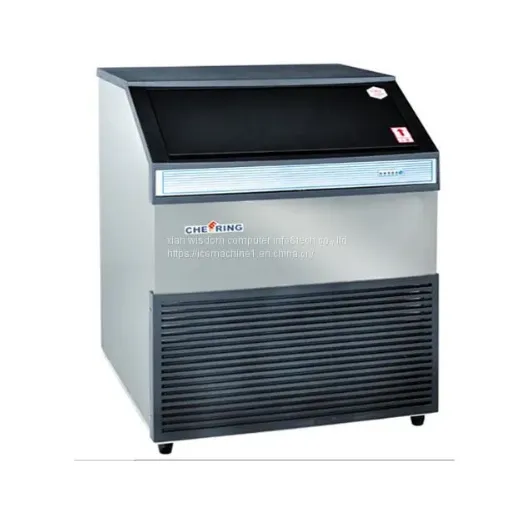
When you request a quotation, include the electrical information the supplier needs to recommend a suitable model. A clear request reduces back-and-forth and helps you compare offers accurately.
Include the following details:
Destination country and local grid voltage and frequency
Available supply type (single-phase or three-phase)
Measured voltage at the proposed machine location
Available spare capacity on the distribution panel
Required ice type and daily output
Ambient temperature range and installation location
Water supply pressure, temperature, and quality
Any local electrical standards or certification requirements
Ask the supplier to confirm:
Rated voltage, frequency, phase, and full-load amperage
Recommended breaker size and cable size
Starting current or inrush current
Connection method (plug-in or hardwired)
Required clearances and ventilation
Applicable documentation and certificates for the destination market
Conclusion
Ice maker power supply requirements are not an afterthought. Voltage, frequency, phase, amperage, breaker size, cable sizing, and grounding determine whether a machine installs cleanly or creates costly delays. The right time to confirm these details is before you select a model, not after it arrives on site.
Start by measuring the electrical supply at the proposed location. Record the voltage, frequency, phase, available capacity, and run length. Then request the current datasheet and installation manual for each model under consideration.
Compare the manufacturer's requirements to your site conditions and local electrical code. Finally, have a qualified electrician review the installation plan before ordering.
If you are comparing ice makers for a restaurant, hotel, healthcare facility, or retail project, review the ice maker selection guide → to build a complete requirement list. When you are ready, contact the sales team → to discuss your application, confirm specifications, and request a quotation.
Recently Posted
-
Refrigerated cabinet power and temperature requirements: a buyer's checklist
August 8, 2026In March 2025, a buyer named Elena took delivery of three refrigerated cabinets for a grocery store her company was fitting out. T Read More
 -
Refrigerated Cabinet Selection Checklist: How to Specify the Right Unit for Your Operation
August 8, 2026Maria, a procurement manager for a mid-sized foodservice distributor, thought she had done everything right. She compared three re Read More
 -
What affects dehumidifier capacity? A buyer's guide to accurate sizing
August 8, 2026Last summer, a warehouse manager in Florida ordered a 50 L/day dehumidifier for a 2,000 m² storage area because the supplier's Read More
 -
Dehumidifier installation and drainage requirements: a buyer's guide
August 8, 2026In March 2024, a maintenance team at a seafood processing plant installed a commercial dehumidifier without checking the drain slo Read More

Contact Us
Recommended Products
-
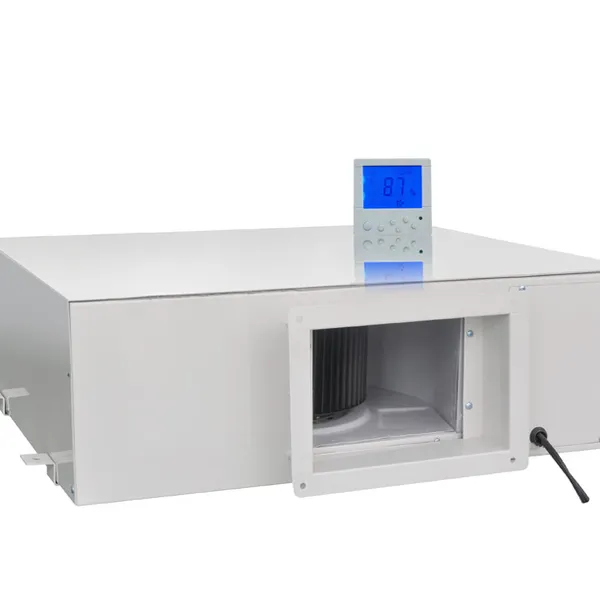
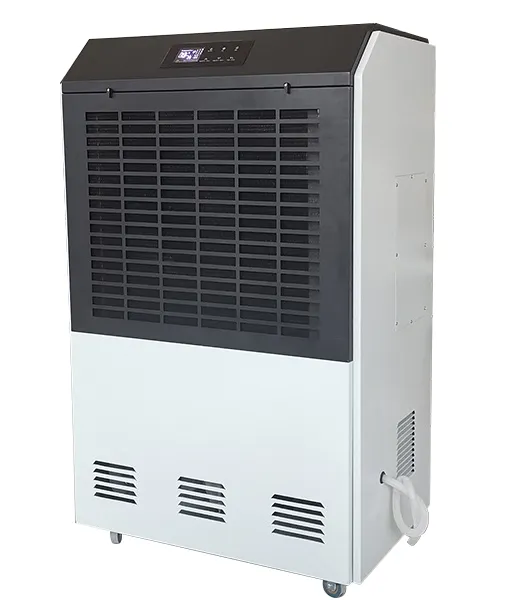
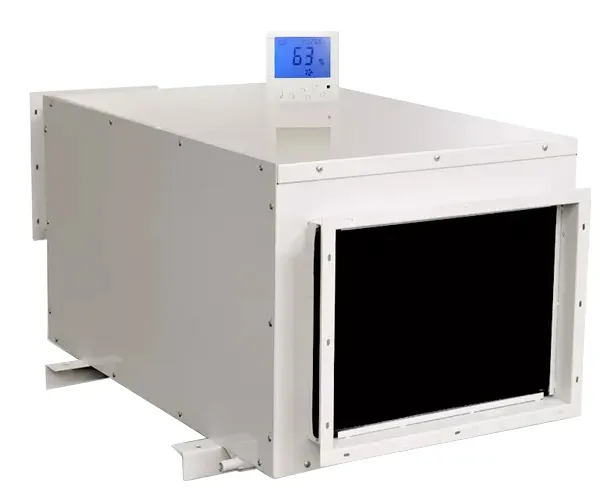
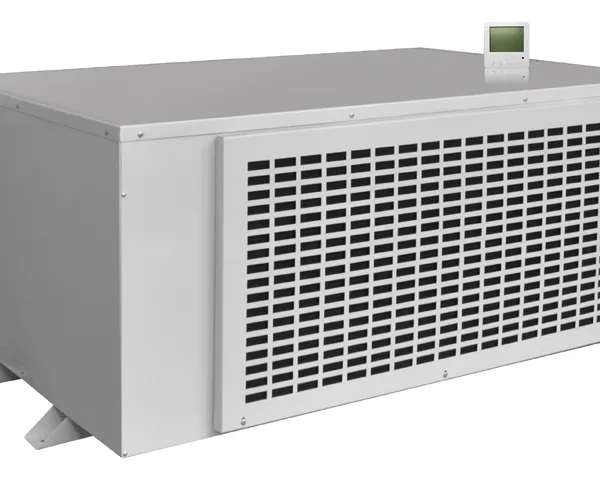
 Large Capacity Ceiling Mounted Space Saving Indoor Pool DehumidifierNegotiableMOQ: 1 Piece
 -
Commercial Home Use Bathroom Dehumidification Swimming Pool Ceiling Mounted Mini DehumidifierNegotiableMOQ: 1 Piece
-
Greenhouse Grow Room Industrial Ceiling Mounted Duct Indoor Pool DehumidifierNegotiableMOQ: 1 Piece
-
Duokai OEM Indoor Dehumidifier Portable Swimming Pool Dehumidifier in Stock With CENegotiableMOQ: 1 Piece
-
High Quality Low Voltage ODM & OEM PLC Distribution CabinetNegotiableMOQ: 1 Set

-
Saladin Type Malt Production LineNegotiableMOQ: 1 Set
-
Seawater Desalination SystemUS$ 2000 - 1000000MOQ: 1 Set
-
High Speed Synthetic Lane Bowling Ball ReturnUS$ 50 - 2000MOQ: 10 Pieces
-
Reliable Automatic Six Axis Industrial Packing Robot With Self Diagnostic SystemNegotiableMOQ: 1 Piece
-
Multi-Travel Radius Six Axis Servo Robot for Custom Automation WorkstationNegotiableMOQ: 1 Piece

-
Labor Saving 6 Axis Industrial Robot Boost Workshop Production EfficiencyNegotiableMOQ: 1 Piece
-
Factory Direct Wholesale Carton Palletizer Packing Line Robot for MilkNegotiableMOQ: 1 Piece
-
Six-Axis Industrial Robotic Arm for Handling Welding Loading UnloadingNegotiableMOQ: 1 Piece
-
High-Automation High-Precision Six-Axis Metal Laser Industrial Welding RobotNegotiableMOQ: 1 Piece
-
Six-Axis Automatic Industrial Welding Robot Arm With Competitive PriceNegotiableMOQ: 1 Piece