
 Business License

Industrial equipment voltage and frequency requirements: a buyer's compatibility guide
In March 2024, a procurement team in Dubai took delivery of a flake ice machine they had ordered from a supplier in East Asia. The datasheet showed 220 V, but the local grid was 380 V three-phase. The frequency was also wrong: the unit was built for 60 Hz, while the United Arab Emirates operates on 50 Hz.
The machine would not start. By the time transformers, frequency converters, and rewiring were quoted, the "minor" electrical detail had added three weeks and thousands of dollars to the project.
Industrial equipment voltage and frequency requirements are not footnotes. They decide whether a machine runs safely, whether it reaches rated output, and whether it will be accepted by local inspectors. Buyers who confirm these two parameters before comparing models avoid the most common and expensive cross-border compatibility problem in industrial procurement.
This guide explains how voltage and frequency affect equipment selection, how they vary by region, and what buyers should record before requesting a quotation. You will also learn which documentation to request so the supplier can confirm that a model matches your electrical environment.
Why voltage and frequency come before capacity and price
Most buyers start with output. They ask how much ice, air, water, or power a unit can deliver. That is a reasonable starting point, but it can lead to a mismatch if the electrical basics are skipped. A machine with the right capacity but the wrong voltage or frequency will still fail to operate.
Voltage is the electrical pressure available to drive current through the equipment. Frequency is the number of alternating-current cycles per second. Together they define the electrical personality of a site. A unit designed for 480 V at 60 Hz behaves differently on 400 V at 50 Hz, even if the power rating looks similar on paper.
The consequences of ignoring industrial equipment voltage and frequency requirements include:
Failed startup: A motor wound for 60 Hz may not develop enough torque on 50 Hz, or it may draw excessive current and trip protection.
Overheating: Running a unit at the wrong frequency can saturate magnetic cores and raise winding temperatures.
Reduced output: Compressors and pumps may run slower on lower frequency, reducing capacity below the rated value.
Invalid warranties: Some manufacturers limit warranty coverage when equipment is installed outside its documented voltage or frequency range.
Project delays: Reconfiguring or replacing equipment after delivery extends commissioning and increases cost.
Note: This article covers general selection principles. Confirm model-specific voltage, frequency, phase, and protection ratings with the manufacturer's current documentation before ordering.
How voltage and frequency standards differ around the world
There is no single global standard for industrial electricity. Countries have adopted different nominal voltages and frequencies based on historical infrastructure, regional standards, and local regulations. Buyers who import equipment must match the unit to the destination market, not to the country where the unit was manufactured.
Common regional voltage and frequency combinations
| Region | Common industrial voltage | Frequency | Notes |
|---|---|---|---|
| North America | 208 V, 240 V, 480 V | 60 Hz | Three-phase 480 V is common in industrial facilities. |
| Europe | 400 V, 415 V | 50 Hz | 400 V three-phase is widely used for industrial loads. |
| Middle East | 380 V, 415 V | 50 Hz | Some areas use 220 V for smaller loads. |
| East Asia | 220 V, 380 V | 50 Hz | Japan uses 50 Hz in the east and 60 Hz in the west. |
| Southeast Asia | 220 V, 380 V, 400 V | 50 Hz | Voltage varies by country. |
| South America | 220 V, 380 V, 440 V | 50 Hz or 60 Hz | Frequency depends on the country. |
| Africa | 220 V, 380 V, 400 V | 50 Hz | Many countries follow British or European conventions. |
The table above is a general reference. Always confirm the actual supply at your facility with a qualified electrician or the local utility. Site voltage can differ from the national nominal value due to transformer taps, facility age, or upstream load conditions.
Want to avoid a costly electrical mismatch? [Prepare your voltage and frequency information] before contacting suppliers. The sooner these details are shared, the faster you will receive a compatible recommendation.
Why 50 Hz and 60 Hz are not interchangeable
A difference of 10 cycles per second may seem small, but it changes how motors, transformers, and compressors behave. At 50 Hz, an induction motor runs at about 83% of the speed it would reach at 60 Hz. A compressor designed for 60 Hz will move less refrigerant or air per minute on 50 Hz. Magnetic components such as transformers and solenoids may saturate, drawing higher currents and producing more heat.
Some modern equipment uses variable-frequency drives or switch-mode power supplies that can accept either frequency. However, this capability must be documented for the exact model. Do not assume a unit will adapt automatically.
Voltage and frequency requirements by equipment category
Different equipment categories place different demands on the electrical supply. The voltage and frequency requirements for a flake ice machine are not identical to those for a centrifugal blower or a PVC molding machine. Buyers should ask category-specific questions when preparing a technical enquiry.
Ice-making and refrigeration equipment
Ice makers, flake ice machines, and refrigerated cabinets usually rely on hermetic or semi-hermetic compressors. These compressors are wound for a specific voltage and frequency. A mismatch affects cooling capacity, energy use, and reliability.
Common requirements to confirm:
Compressor rated voltage and frequency: Usually 220 V or 380 V, 50 Hz or 60 Hz.
Phase configuration: Small units may be single-phase; larger units are typically three-phase.
Starting current: Compressors can draw several times their running current during startup.
Control voltage: Some units use a separate low-voltage control circuit that also needs matching.
For example, a commercial ice maker rated at 220 V / 60 Hz may run hot and produce less ice if connected to a 230 V / 50 Hz supply. The difference in frequency changes compressor speed and refrigerant flow. Always request the rated electrical data for the exact ambient and water conditions at your site.
If you are comparing ice-making equipment, start with the [ice-making equipment category page] to identify the right product type before confirming electrical details.
Dehumidification and air-handling equipment
Industrial dehumidifiers and refrigerated cabinets contain fans, compressors, and sometimes heaters. Each component must match the supply. Fan motors are particularly sensitive to frequency because speed directly affects airflow and noise.
When reviewing dehumidifiers, confirm:
Nominal voltage and frequency for the fan and compressor
Whether the unit includes a humidistat or control board with its own power requirements
Drainage pump voltage, if fitted
Heater voltage and current, if the unit includes reheat
A facilities manager in Germany learned this in 2023. He imported a dehumidifier built for 110 V / 60 Hz for a warehouse project. The local supply was 230 V / 50 Hz. The unit was destroyed within minutes of first power-up.
The replacement order delayed the warehouse handover by six weeks. A simple voltage and frequency check before ordering would have prevented the loss.
For humidity-control projects, review the [refrigeration and dehumidification category page] to narrow the equipment category first.
Pumps, blowers, and electromechanical drives
Centrifugal pumps and blowers are driven by electric motors. Motor speed is tied to frequency, so a frequency mismatch changes flow, pressure, and mechanical load. Variable-frequency drives can adjust motor speed, but the drive itself must also be rated for the input voltage and frequency.
Key checks for pumps and blowers:
Motor rated voltage, frequency, and phase
Full-load current and starting current
Variable-frequency drive input and output ratings, if used
Altitude and temperature derating, because motor cooling decreases at high altitude or high ambient temperature
A pump selected for 60 Hz will deliver a different flow curve on 50 Hz. The impeller may still spin, but the duty point moves. Always request the performance curve for the frequency at which the pump will operate.
Power supplies, generators, and surge protection
Frequency power supplies and diesel generators are themselves electrical sources. Their selection depends on the load they must feed, but their input or operating environment must also match the local grid.
For frequency power supplies, confirm:
Input voltage range and frequency
Output voltage and frequency range
Continuous and peak power ratings
Total harmonic distortion (THD) for sensitive loads
For diesel generators, confirm:
Rated voltage and frequency
Continuous vs standby rating
Voltage regulation and frequency stability
Starting kVA capacity for motor loads
For surge protection devices, the maximum continuous operating voltage (MCOV) must be coordinated with the nominal system voltage. A device rated for a 480 V system will not protect a 380 V system correctly if its MCOV is too high.
Molding and manufacturing equipment
PVC molding machines, molds, and related manufacturing equipment often include heaters, motors, hydraulics, and control systems. Each subsystem may have its own voltage and frequency requirement. Heaters are mainly voltage-sensitive, while motors are frequency-sensitive. Control systems may need stable, low-distortion power.
When reviewing molding equipment, request:
Main power supply rating
Heater circuit voltage and current
Hydraulic pump motor rating
Control voltage and any uninterruptible power supply (UPS) requirements
Manufacturing equipment is often custom or semi-custom. The electrical specification should be reviewed against the approved drawing or datasheet, not assumed from a catalogue photo.
What happens when voltage or frequency does not match
Electrical mismatch produces predictable problems. Understanding them helps buyers explain the risk to project teams and justify the time spent on verification.
Undervoltage
When the supply voltage is below the equipment rating, motors draw more current to produce the same mechanical output. Higher current increases heat in the windings and can trip thermal overloads. Control circuits may drop out, causing erratic operation or shutdown.
Overvoltage
When the supply voltage is above the equipment rating, insulation stress increases. Capacitors, motors, and semiconductor devices may fail prematurely. Surge protection devices may activate repeatedly, shortening their service life.
Frequency mismatch
A 60 Hz motor on a 50 Hz supply runs slower and draws more current. The magnetic core may saturate, causing overheating and noise. A 50 Hz motor on a 60 Hz supply runs faster, increasing mechanical wear and bearing load. Pumps and compressors move different volumes at different frequencies, so capacity and efficiency change.
Phase problems
Industrial equipment is usually designed for single-phase or three-phase supply. Connecting a three-phase motor to single-phase power without a suitable phase converter will prevent proper operation. Phase imbalance in a three-phase supply can also cause overheating and vibration.
Power quality issues
Even when voltage and frequency are correct, power quality can affect equipment. Voltage sags, harmonics, and transients can damage controls and reduce reliability. If your facility has a history of power-quality problems, mention this in your technical enquiry.
How to confirm compatibility before ordering
The most reliable way to avoid mismatch is to document the electrical environment before comparing models. The checklist below helps buyers prepare the information suppliers need.
Step 1: Measure or confirm the site supply
Record the nominal and measured values at the point where the equipment will connect:
Nominal line-to-line voltage
Nominal line-to-neutral voltage
Frequency
Number of phases
Available short-circuit current or breaker capacity
Voltage stability range, if known
Step 2: Identify the load profile
Understand how the equipment will be used:
Continuous or intermittent duty
Starting sequence with other loads
Peak power demand
Required voltage and frequency tolerance
Step 3: Request the electrical datasheet for each candidate model
Ask the supplier for the current datasheet or manual. Check that it lists:
Rated input voltage and tolerance
Rated input frequency
Phase configuration
Full-load current
Recommended breaker or fuse size
Wiring diagram and terminal layout
Environmental ratings
Step 4: Verify destination-market standards
Electrical installations must comply with local codes and standards. Confirm whether the equipment needs specific certifications, terminal styles, or documentation for the destination country. Standards such as the [IEC 60038 standard on standard voltages] and the [NFPA 70 National Electrical Code] define voltage levels and installation practices in different markets.
Ready to move forward? [Request model documentation] for the equipment you are evaluating and share your site voltage and frequency data so the supplier can confirm compatibility.
Documentation checklist for voltage and frequency verification
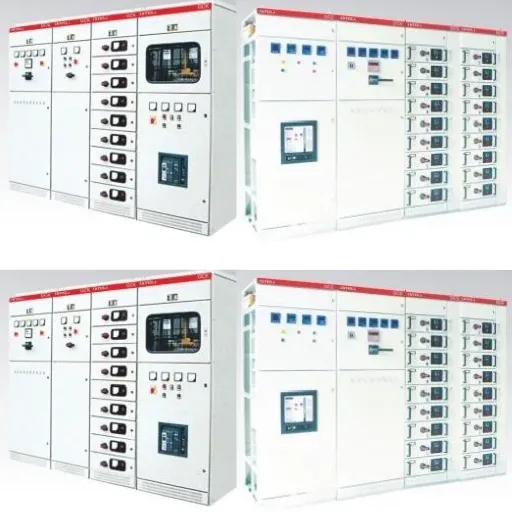
Before finalizing an order, request the following documents and confirmations from the supplier:
Model number and rated electrical input: voltage, frequency, phase, and current.
Voltage tolerance range: the minimum and maximum voltage at which the unit will operate correctly.
Frequency tolerance range: whether the unit accepts 50 Hz, 60 Hz, or both.
Starting current or inrush current: needed for breaker, cable, and generator sizing.
Power factor and efficiency: useful for energy and cooling calculations.
Wiring diagram and terminal layout: confirms physical connection requirements.
Applicable standards and certifications: for the destination market and installation code.
Warranty conditions related to electrical supply: some warranties require operation within the documented range.
Keep these documents in the project file. They are the reference for installers, commissioning engineers, and maintenance teams. They also protect the buyer if a dispute arises about whether the equipment was suitable for the documented supply.
A distributor in North America applied this checklist in 2024 when sourcing pumps for a client in Chile. The local supply was 380 V / 50 Hz, while many pumps in the distributor's network were configured for 460 V / 60 Hz. By recording the site supply and asking each supplier for a 50 Hz performance curve, the distributor identified a compatible model in the first round of quotations. The project was commissioned on schedule, and the client avoided the cost and delay of electrical conversion.
Common mistakes buyers make with voltage and frequency
Even experienced buyers can overlook voltage and frequency details. Here are the errors that appear most often in cross-border equipment procurement.
Assuming "220 V" or "380 V" means the same thing everywhere
Nominal voltages vary by country and by facility. A unit rated for 220 V in one market may be designed for a different tolerance, plug type, or frequency than a 220 V unit from another market. Always confirm the full rating, not just the headline number.
Forgetting to confirm phase configuration
A three-phase unit will not run on single-phase power without additional equipment. Even within three-phase systems, some units need a neutral conductor while others do not. Check the wiring diagram before installation.
Ignoring frequency when voltage matches
A buyer may see 380 V on both the unit and the site supply and assume compatibility. If the unit is 60 Hz and the site is 50 Hz, the unit may still start but run outside its design conditions. Confirm both parameters.
Overlooking voltage fluctuation
Some sites experience voltage swings due to heavy loads, long cable runs, or weak grids. A unit rated for 380 V ±5% may not tolerate a site that regularly drops to 350 V. Record the actual voltage range, not just the nominal value.
Not involving an electrical engineer early
Complex installations, large motors, or sensitive controls benefit from professional review. Involving a qualified engineer during the specification stage can prevent changes during commissioning.
Conclusion: make voltage and frequency part of every equipment enquiry
Industrial equipment voltage and frequency requirements are two of the simplest parameters to verify and two of the most expensive to fix after delivery. A buyer who records the site supply, requests the model-specific electrical datasheet, and confirms compatibility before ordering removes the most common cause of cross-border equipment problems.
The key takeaways are:
Start with the electrical environment, not the catalogue. Capacity and price matter only after compatibility is confirmed.
Confirm both voltage and frequency, even when one of them appears to match.
Request category-specific data, because motors, compressors, heaters, and controls behave differently.
Document everything. Keep datasheets, wiring diagrams, and warranty conditions in the project file.
Involve technical review when the installation is complex or the destination market has strict standards.
If you are evaluating [industrial equipment] for a project, share your site voltage, frequency, phase, and application details so the supplier can recommend a compatible model and provide the documentation you need.
Recently Posted
-
How to request a technical quotation for industrial equipment
August 17, 2026A purchasing assistant sends a one-line email to five suppliers: "Please quote your best price for a water pump." Two we Read More
 -
Custom mold drawing and tolerance requirements for buyers
August 17, 2026A custom mold arrives after eight weeks of tooling work. The first trial parts come off the press, and the snap-fit housing will n Read More
 -
What Information Is Needed for a PVC Molding Machine Enquiry
August 17, 2026A buyer who sends a PVC molding machine enquiry without the right technical details often receives quotes that cannot be compared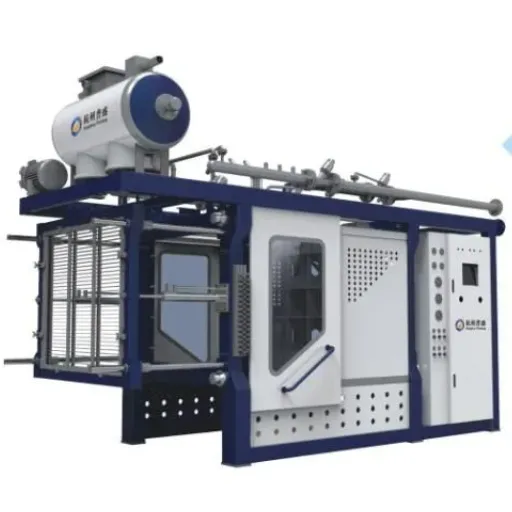 Read More
 -
Power supply documentation checklist for industrial buyers
August 17, 2026Last March, Elena Vasquez received a shipment of frequency power supplies for a new cold-storage line. Elena is a procurement mana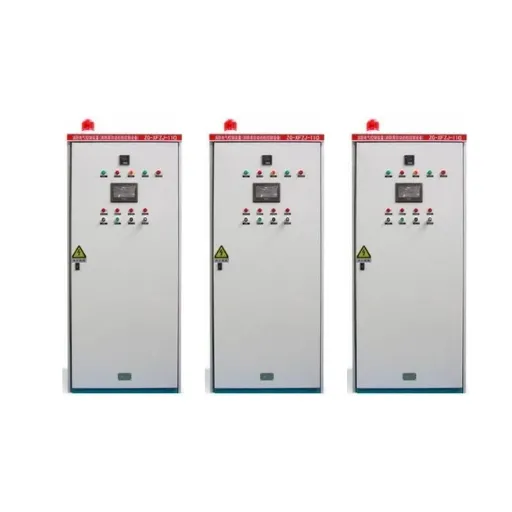 Read More

Contact Us
Recommended Products
-
 Large Capacity Ceiling Mounted Space Saving Indoor Pool DehumidifierNegotiableMOQ: 1 Piece
 -
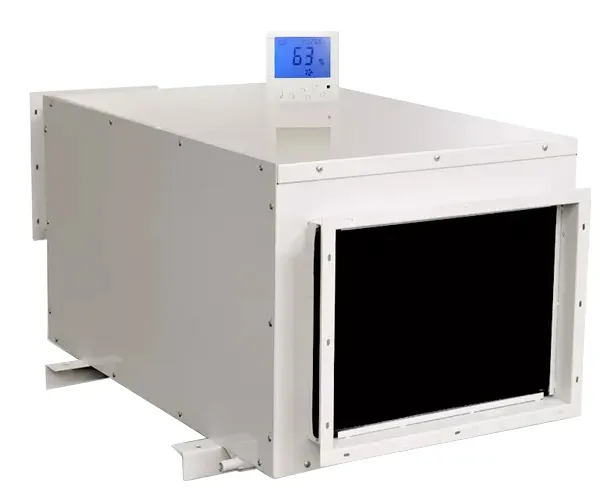
Commercial Home Use Bathroom Dehumidification Swimming Pool Ceiling Mounted Mini DehumidifierNegotiableMOQ: 1 Piece
-
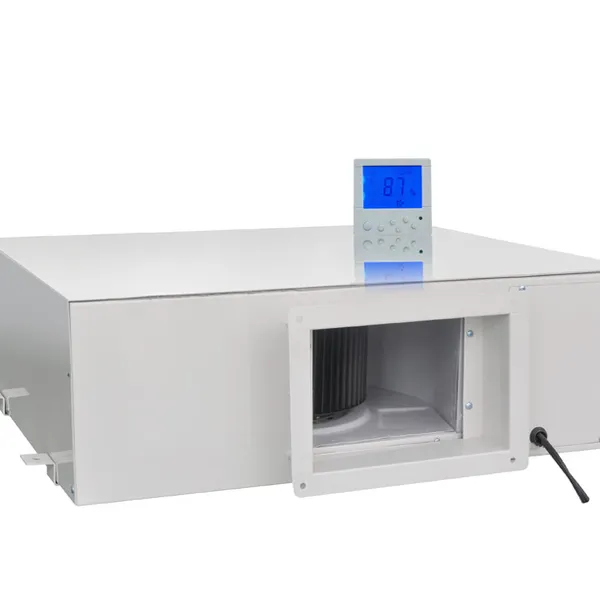
Greenhouse Grow Room Industrial Ceiling Mounted Duct Indoor Pool DehumidifierNegotiableMOQ: 1 Piece
-
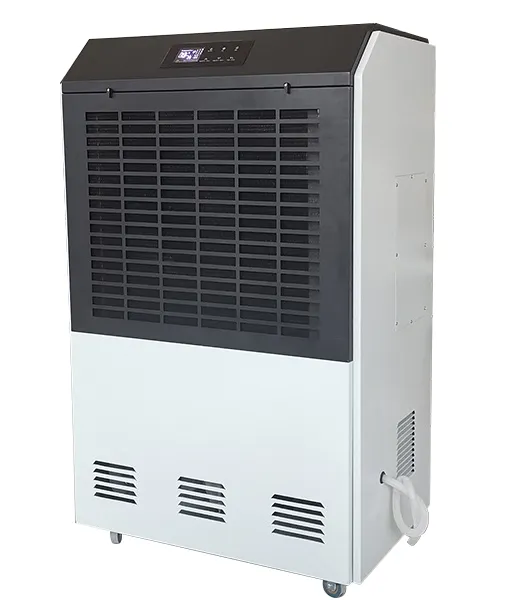
Duokai OEM Indoor Dehumidifier Portable Swimming Pool Dehumidifier in Stock With CENegotiableMOQ: 1 Piece
-
High Quality Low Voltage ODM & OEM PLC Distribution CabinetNegotiableMOQ: 1 Set
-
Saladin Type Malt Production LineNegotiableMOQ: 1 Set
-
Seawater Desalination SystemUS$ 2000 - 1000000MOQ: 1 Set
-
High Speed Synthetic Lane Bowling Ball ReturnUS$ 50 - 2000MOQ: 10 Pieces
-
Small Industrial 6-Axis Articulated Robot With Smart Welding System for Precise TasksNegotiableMOQ: 1 Piece
-
Collaborative 6-Axis Welding Robot Arm With Automatic MIG Welder CobotNegotiableMOQ: 1 Piece

-
Smart 6-Axis Articulated Robot Arm for Enhanced Metal Welding PerformanceNegotiableMOQ: 1 Piece
-
Industrial 6-Axis Welding Robot Arm With High Precision for Metal FabricationNegotiableMOQ: 1 Piece
-
Laser 6-Axis Articulated Welding Cobot Robot With Automatic Welding SystemNegotiableMOQ: 1 Piece
-
High-Speed 4-Axis Delta Robot With 3kg Payload, Gripper and Suction Cup for Food Packaging LineNegotiableMOQ: 1 Piece
-
4-Axis Collaborative Robot Arm for CNC Machine Tending and Automation SolutionsNegotiableMOQ: 1 Piece