
 Business License

Diesel generator sizing requirements: how to confirm what your site needs
The wrong diesel generator size is rarely a small error. When a buyer adds up every nameplate rating on a panelboard and orders a unit for the total, the machine often runs at a fraction of its rating, burning fuel to carry a load it was never asked to meet. The opposite mistake is worse. A generator sized for a quiet lighting load trips the moment a motor starts, and the site it was meant to protect goes dark anyway.
Diesel generator sizing is the process of turning the load into a clear technical specification: how much real power, how much apparent power, what starting behaviour, what duty cycle, and under what site conditions. This diesel generator sizing guide explains how to do that before you compare offers. It is written for procurement teams, facilities engineers, and project buyers who need a repeatable method for every enquiry, not a single headline number.
You will learn how to size a diesel generator by confirming the load, the rating, the starting demand, the site conditions, and the duty. You will also get a checklist you can reuse for every sizing conversation.
Start with a load sheet now: write down every load that must run, how much power each one draws, and when it runs, then refine the numbers as you work through the sections below.
XiAn Wisdom Computer Info&tech Co., Ltd lists diesel generators among its stated product categories. Model availability, power ratings, fuel arrangements, and specifications for any specific unit require confirmation from current documentation for that model. The guidance below is general selection practice, not a statement about a particular machine.
What diesel generator sizing actually means
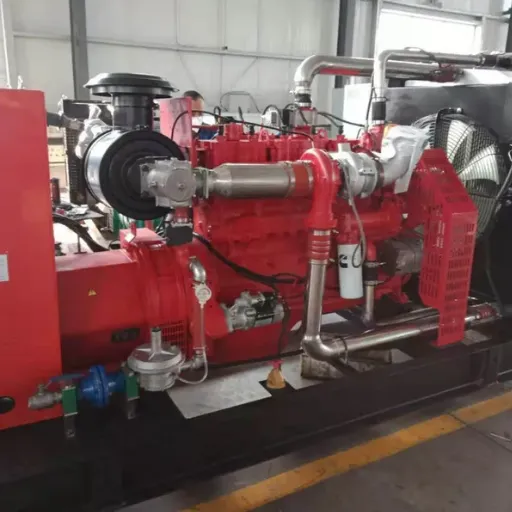
Sizing looks simple until you check the numbers behind it. A generator rating is a statement about power, under stated conditions, for a stated duty. Confirm all three and the rating is useful. Leave any of them blank and the rating is a marketing figure.
kW and kVA are not the same number
A diesel generator delivers two related quantities. Real power, measured in kilowatts (kW), is the power that actually does work. Apparent power, measured in kilovolt-amperes (kVA), is the total power the generator must supply, including the part that sustains magnetic fields in motors and transformers. The ratio between them is the power factor.
For a three-phase load, kW equals kVA multiplied by the power factor. A generator rated at 250 kVA at a 0.8 power factor delivers up to 200 kW of real power. If the load has a power factor of 0.6, the same generator can carry less real power before its current limit is reached.
The practical point for a buyer is that both figures appear on the specification, and both belong on the enquiry. Ask the supplier to confirm the diesel generator kW and kVA rating of each model, together with the power factor the rating assumes. Do not assume the larger number is the one that matters.
The load, not the generator, sets the rating
A generator does not decide how hard it works. The connected equipment decides that. A 500 kVA unit runs at whatever fraction of its rating the load demands, and running a large generator against a small load has real costs: higher fuel consumption per useful unit of power, more maintenance hours, and a machine that never reaches its intended operating temperature.
For that reason, the sizing exercise starts on the load side. Measure or estimate the load correctly, and the generator rating follows. Skip the load side, and no nameplate figure will fix the mismatch.
Define the load before you size the generator
The load is the foundation of the whole enquiry, and most sizing errors trace back to how the load was counted. Three numbers matter: what is connected, what actually runs, and what happens when equipment starts.
Connected load vs running load
The connected load is the sum of every load that is wired to the supply. The running load is the sum of the loads that operate at the same time. They are rarely equal. A facility may have a 150 kW total connected load but only ever run 90 kW of it at once.
A maintenance manager in Durban once sized a backup generator by adding the nameplate of every motor and heater in the building. The total came to 400 kVA, and the quotation that followed was large enough to make the plant manager question the whole project. When the load was measured over a working shift, the simultaneous running demand was under 200 kVA. The plant bought a smaller machine, kept the difference in budget, and still covered every load that ever ran together.
Count the loads that run together, not every load that exists. If in doubt, ask the site team which equipment operates simultaneously during a normal shift and during the critical period the generator protects.
Diversity and simultaneous operation
Diversity is the engineering word for the fact that not everything runs at once. A cold store and a packing line may share a panel, but they rarely peak together. A factory may run air compressors on a cycle, so the worst case is two of three units, not all three.
Build the worst realistic case. For a standby or backup role, size for the loads that must run during a mains failure: safety systems, essential refrigeration, pumps, lighting, and controls. For a prime-power role, size for the operating pattern that repeats every day. Write down the assumed simultaneity in the load sheet so suppliers understand how the number was built.
Load types and their behaviour
Different loads behave differently, and the behaviour shapes the generator specification:
| Load type | Examples | Starting behaviour | What it means for sizing |
|---|---|---|---|
| Resistive | Heating, lighting, cookers | Steady current, gentle start | Simple to count, no large surge |
| Inductive | Motors, compressors, pumps | Current lags voltage, large starting surge | Needs more apparent power and starting capacity |
| Electronic | Variable frequency drives, chargers, UPS systems | Non-sinusoidal current | Can add harmonic distortion to the supply |
Name the load types on the load sheet. A site full of motors sizes differently from a site full of heating, even at the same kW figure, because the current behaviour and the starting demand differ.
Convert the load into a generator rating
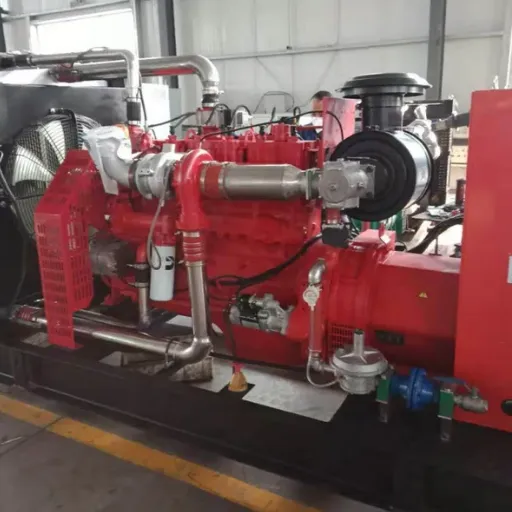
Once the running load is defined, convert it into the rating the generator must carry. This is where kW, kVA, power factor, and margin come together.
From kW to kVA with a power factor
Divide the running real power by the power factor to estimate the apparent power the generator must supply. If the running load is 180 kW and the expected power factor is 0.8, the generator needs about 225 kVA before margin. If the load is mostly motors, check the actual power factor rather than assuming a standard 0.8.
Use the load sheet to estimate the combined power factor from the load mix. A site dominated by motors, welding, or electronic drives should have its power factor confirmed, because a lower power factor raises the kVA required for the same real power. The supplier should confirm the model rating at the power factor the site expects.
Operating reserve for future and transient needs
Most buyers add a margin so the generator is not running at its continuous limit on day one. The margin covers two things: short-term overload capacity for starting events, and future growth in the load.
A working approach is to size for the realistic running demand plus a stated margin, then confirm with the supplier that the selected model can handle the starting and transient loads described below. Avoid two extremes: ordering the smallest possible unit to save capital, and ordering the largest available unit because a bigger number feels safer. The first fails in service, and the second wastes fuel and capital for years.
Account for starting loads and transients
The running load describes steady operation. The diesel generator starting load describes what happens in the first seconds, and it can be several times larger than the running demand.
Motor starting current
A three-phase motor draws much more current while it accelerates than it draws at full speed. The starting current can be five to seven times the running current for a direct-on-line start, and the generator must supply that surge while its voltage stays within acceptable limits.
Confirm how each major motor starts. Direct-on-line starting imposes the hardest surge. Star-delta starters, soft starters, and variable frequency drives reduce the starting current and are worth noting on the load sheet. A site with several large motors should check the combined starting demand, because the generator must handle the largest start, or the sequence of starts, without dipping below the equipment's working voltage.
A beverage plant in Birmingham ordered a generator for its refrigeration and line equipment and sized the machine from the running load. The first morning it started the two largest compressors together, the voltage dipped, the pump controllers dropped out, and the line stopped. The fix was not a larger engine. It was a softer starting sequence and a machine whose short-term capacity matched the starting event. The sizing exercise had counted running watts but not starting amps.
Voltage dip and frequency response
When a motor starts, the generator voltage dips and the frequency drops for a moment before the governor recovers. Sensitive equipment such as drives, PLCs, and controls may trip if the dip is too deep or too long.
Ask the supplier what voltage dip and frequency recovery the model can hold under a stated starting load, and compare that against what the connected equipment requires. A quotation that describes only the continuous rating has not demonstrated that the model can start the loads the site actually starts.
A useful next step: Add a motor-starting table to the load sheet, listing each motor, its running power, its starting method, and the largest single start you expect.
Apply derating for altitude and temperature
A generator rating is quoted at reference conditions, and diesel generator derating follows the site. Most datasheets state the rating at a standard ambient temperature and a standard altitude, commonly near 25 to 30 degrees Celsius and near sea level. Away from those conditions, the output changes.
Reference conditions and the data sheet
The engine produces less power as the air thins at altitude, because there is less oxygen for combustion. The alternator and engine also cool less effectively in hotter ambient air. Suppliers normally publish a derating table that shows how the rating falls as altitude and temperature rise.
Confirm three numbers before comparing models: the site altitude, the maximum ambient temperature, and the temperature the supplier's rating assumes. A generator rated at sea level and 25 degrees Celsius may lose a meaningful share of its output at 1,500 meters and 40 degrees Celsius. If the site conditions are not stated, the quoted rating is not the rating the site will see.
A hospital project in La Paz, at more than 3,600 meters above sea level, selected a generator from a datasheet that assumed sea level. The machine reached the nameplate rating only on paper. The engineering review derated the output for altitude, the design moved to a larger model, and the install team confirmed the corrected rating in the documentation before the unit shipped. The altitude figure on the enquiry would have caught the issue months earlier.
Confirm the effective rating at site conditions
Write the derating question directly. Ask the supplier to confirm the effective rating of each candidate model at your altitude and maximum ambient temperature, not at the manufacturer's reference condition. Record the answer in writing, because the derated figure is the one the site can actually use.
Choose the right duty classification
A generator does not do the same job every time it runs, and the intended duty changes the appropriate rating and the maintenance plan.
Standby, prime, and continuous duty
Industry descriptions commonly distinguish three roles, and buyers should confirm which one the selected model is rated for:
| Duty classification | Typical role | Typical running pattern | What to confirm |
|---|---|---|---|
| Standby | Backup during a mains failure | Limited hours, irregular | Rating at standby duty, transfer arrangement |
| Prime | Main supply with varying load | Regular daily operation | Rating at prime duty, fuel and maintenance plan |
| Continuous | Constant load for long periods | Near-constant, extended running | Rating at continuous duty, cooling and service schedule |
The same physical machine may carry a different rating under each classification, because the alternator and engine cool differently under different load patterns. A unit rated for 300 kVA standby may be rated lower for prime duty, and lower still for continuous duty. Match the duty classification to the actual role, and confirm the rating for that role in the model documentation.
Run time and fuel arrangement
The fuel system follows the run time. For short standby runs, a base tank may be enough. For extended or prime operation, confirm the tank capacity, the refuelling arrangement, and the expected fuel consumption at the operating load. Fuel consumption is not a single number: it changes with load, duty, and engine condition, so request the model-specific figure at your expected operating point rather than accepting a headline value.
Also confirm the starting arrangement. Most sites use battery start, and the battery condition, charging, and testing schedule belong in the maintenance plan. Confirm the control system, the alarm set points, and how the generator is expected to start and stop for the intended role.
Confirm electrical and installation conditions
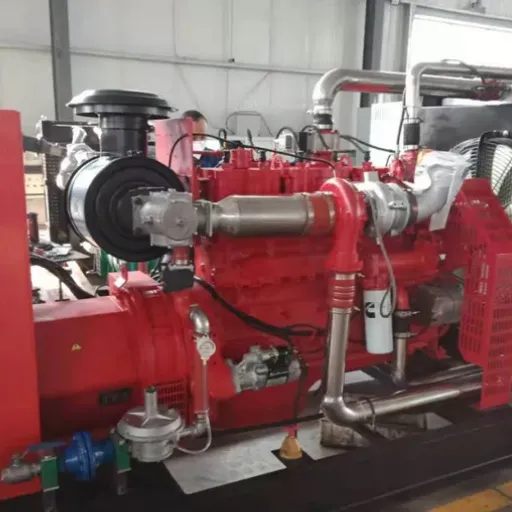
The electrical supply and the physical installation decide whether the rating holds in service. Both deserve the same documentation discipline as the load.
Voltage, frequency, and phase
Confirm the generator output voltage, frequency, and phase against the load and the site. A unit configured for 380 V, 50 Hz, three-phase will not match a facility wired for 480 V, 60 Hz without confirmation. If the generator is going to a destination market with a different electrical standard, state the destination supply in the enquiry so the alternator, voltage regulator, and controls can be checked against it.
Confirm how the generator connects to the site. A backup generator usually works through a transfer switch or automatic changeover, so the switch, the control signal, and the generator output must be compatible. Confirm the earthing and neutral arrangement, because the way the generator neutral is connected affects protection and is a safety decision, not an accessory.
Transfer switching and control
For a standby role, the changeover arrangement is part of the sizing. Confirm whether an automatic transfer switch is included, how the generator senses a mains failure, and what happens to non-essential loads when power returns. Confirm the control panel functions: the metering, the protective settings, and the alarms the site expects.
A process line in Jakarta ordered a generator with the right kW rating but did not confirm the changeover arrangement. When the mains failed, the generator started correctly, but the line never switched over, because the transfer equipment on site did not match the control signals in the quotation. The correction required extra switching hardware and a second shutdown. The transfer arrangement should have been part of the enquiry from the start.
Ventilation, exhaust, and noise
The engine rejects heat, and the enclosure or plant room must move that heat away. Confirm the cooling-air requirement, the exhaust path, and the fuel storage location, because each affects the installation space and the design. Confirm the noise requirement at the site boundary or in the plant room, and whether an acoustic enclosure or silencer is included.
Set the noise limit before selection, because an acoustic enclosure changes the footprint, the cooling, and the price. Confirm the installation space, the access for maintenance, and the foundation or mounting arrangement. A machine the team cannot service becomes a recurring problem, no matter how well it was sized.
Confirm destination-market and compliance requirements
A generator that meets the electrical specification still has to meet the requirements of the country where it will operate. Confirm these before commercial commitment.
Emissions, electrical standards, and certification
Different markets apply different emissions limits, electrical standards, and certification requirements for generators. Confirm which standards apply to the destination country, the model, and the intended duty, and request the relevant documentation in writing. Do not accept a general statement that the unit is "compliant" without the document, the standard, and the scope.
Ask which certificates, test reports, and manuals ship with the unit. Confirm whether any local registration, inspection, or commissioning requirements apply. The company states that its products are exported to several regions, but public content and purchase decisions should rely on the documentation that applies to the selected model and destination, not on a category claim.
A useful next step: Confirm the destination voltage, frequency, emissions class, and required documentation with the supplier before requesting a quotation, and add them to the load sheet.
Compare documented model information like for like
With a shortlist in hand, the comparison must happen against documentation, not against catalogue descriptions.
What to confirm for each model
Request the current datasheet or technical manual for the exact model number and cover the following points:
Continuous, prime, and standby ratings in kW and kVA, each with the power factor and reference conditions stated
The derated output at your altitude and maximum ambient temperature
The starting and transient capacity, including the voltage dip under a stated starting load
The engine model, alternator model, speed, and control system
Output voltage, frequency, phase, and earthing arrangement
Fuel tank capacity, fuel consumption at your operating point, and run time
Dimensions, weight, enclosure, cooling-air, and exhaust requirements
Noise data and the conditions under which it was measured
Applicable drawings, manuals, and destination-market compliance information
Line the candidates up under the same conditions
Compare every model at the same load, the same site conditions, and the same duty. A model quoted for standby duty should not be compared against another model quoted for prime duty without adjusting for the difference. Confirm the reference condition behind every rating.
If a quotation cannot show the derated rating or the starting capacity for the exact model, treat it as incomplete rather than assuming the missing numbers are acceptable. The headline kVA on a brochure is not a substitute for the rating at your altitude, your ambient temperature, and your starting loads.
Record what remains open
Make a list of the questions each quotation leaves unanswered. A blank cell in the comparison is better than a guessed number, because the guess gets built into the purchase. When a supplier cannot confirm a specification in writing, ask again. If the detail is still missing, weigh that gap when you compare offers.
Confirm commercial and after-sales terms
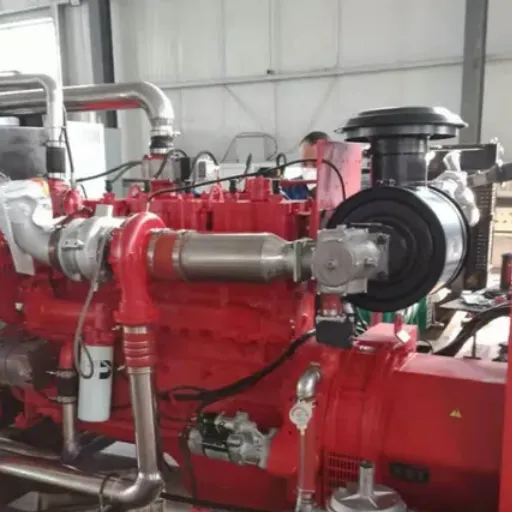
The commercial terms are part of the selection and deserve the same documentation discipline as the rating.
Documentation that should ship with the unit
Request written confirmation of the model, quantity, lead time, payment terms, warranty, and shipping arrangement for your destination. Confirm which documentation ships with the unit: the manual, the test report, and any applicable certificates. Ask how spare parts and consumables, including filters, belts, and starting batteries, are handled for the selected model.
XiAn Wisdom Computer Info&tech Co., Ltd states that after-sales support is a priority in its service approach. Ask which service information, manuals, and parts details apply to the specific order, and request that confirmation in writing.
Operating and fuel data at your operating point
If fuel consumption or efficiency is a selection criterion, request current, model-specific operating data at your operating point. Consumption measured at one load does not transfer to another, so ask for the figure at the load you expect. The company states that it intends to introduce products related to energy conservation, but public content and purchase decisions should still rely on verified, model-specific data rather than a category claim.
A useful next step: Request the current documentation for the shortlisted models, including the derated rating, the starting capacity, and the fuel data. Then confirm the commercial and support terms in writing for your model, quantity, and destination before comparing offers.
Conclusion: a diesel generator sizing checklist
Confirming diesel generator sizing requirements follows a simple order: define the load first, then verify every rating against current documentation. Define the running load and the starting load, convert them into a rating with a power factor and margin, apply derating for altitude and temperature, match the duty classification, and confirm the electrical, installation, fuel, and destination requirements. Then compare documented model information and finish with written commercial terms.
Keep this checklist for your next enquiry:
Build a load sheet with every load that runs together.
Separate connected load from running load.
Record the load types: resistive, inductive, or electronic.
List the largest motor starts and their starting methods.
Convert kW to kVA with a confirmed power factor.
Apply margin for starting demand and future growth.
Confirm altitude, ambient temperature, and the derated rating.
Match the duty classification: standby, prime, or continuous.
Confirm fuel, run time, voltage, frequency, transfer switching, and installation.
Confirm destination-market compliance and commercial terms in writing.
The scenarios in this guide are illustrative examples used to explain sizing principles, not documented customer case studies. Confirm model-specific ratings, derating, fuel consumption, and compliance details against current documentation before finalizing any order.
If you are preparing an enquiry, start with a one-page load sheet. Write down the running load, the starting load, the site conditions, the duty, and the destination market, then share it with the suppliers you are evaluating. XiAn Wisdom Computer Info&tech Co., Ltd lists diesel generators among its product categories; discuss your application requirements and request the current model documentation so the specification can be checked against your operating needs.
Recently Posted
-
How to request a technical quotation for industrial equipment
August 17, 2026A purchasing assistant sends a one-line email to five suppliers: "Please quote your best price for a water pump." Two we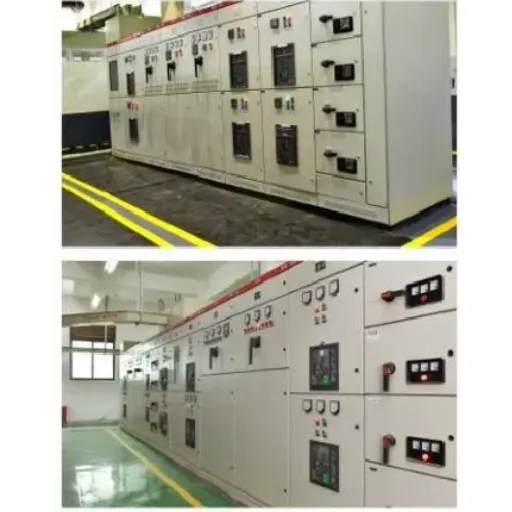 Read More
 -
Custom mold drawing and tolerance requirements for buyers
August 17, 2026A custom mold arrives after eight weeks of tooling work. The first trial parts come off the press, and the snap-fit housing will n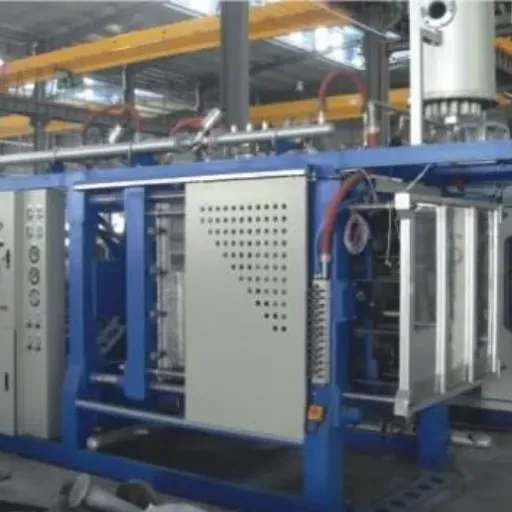 Read More
 -
What Information Is Needed for a PVC Molding Machine Enquiry
August 17, 2026A buyer who sends a PVC molding machine enquiry without the right technical details often receives quotes that cannot be compared Read More
 -
Power supply documentation checklist for industrial buyers
August 17, 2026Last March, Elena Vasquez received a shipment of frequency power supplies for a new cold-storage line. Elena is a procurement mana Read More

Contact Us
Recommended Products
-
 Large Capacity Ceiling Mounted Space Saving Indoor Pool DehumidifierNegotiableMOQ: 1 Piece
 -
Commercial Home Use Bathroom Dehumidification Swimming Pool Ceiling Mounted Mini DehumidifierNegotiableMOQ: 1 Piece
-
Greenhouse Grow Room Industrial Ceiling Mounted Duct Indoor Pool DehumidifierNegotiableMOQ: 1 Piece
-
Duokai OEM Indoor Dehumidifier Portable Swimming Pool Dehumidifier in Stock With CENegotiableMOQ: 1 Piece
-
High Quality Low Voltage ODM & OEM PLC Distribution CabinetNegotiableMOQ: 1 Set

-
Saladin Type Malt Production LineNegotiableMOQ: 1 Set
-
Seawater Desalination SystemUS$ 2000 - 1000000MOQ: 1 Set
-
High Speed Synthetic Lane Bowling Ball ReturnUS$ 50 - 2000MOQ: 10 Pieces
-
Small Industrial 6-Axis Articulated Robot With Smart Welding System for Precise TasksNegotiableMOQ: 1 Piece
-
Collaborative 6-Axis Welding Robot Arm With Automatic MIG Welder CobotNegotiableMOQ: 1 Piece

-
Smart 6-Axis Articulated Robot Arm for Enhanced Metal Welding PerformanceNegotiableMOQ: 1 Piece
-
Industrial 6-Axis Welding Robot Arm With High Precision for Metal FabricationNegotiableMOQ: 1 Piece
-
Laser 6-Axis Articulated Welding Cobot Robot With Automatic Welding SystemNegotiableMOQ: 1 Piece
-
High-Speed 4-Axis Delta Robot With 3kg Payload, Gripper and Suction Cup for Food Packaging LineNegotiableMOQ: 1 Piece
-
4-Axis Collaborative Robot Arm for CNC Machine Tending and Automation SolutionsNegotiableMOQ: 1 Piece