
 Business License

How to Choose an Industrial Dehumidifier: A Buyer Guide
A warehouse manager in Shenzhen watched corrugated packaging turn soft during the July rainy season. The damage was not from a roof leak. It came from air that held too much moisture for too long. By the time the team called a supplier, the facility had already lost three pallets of printed boxes.
If you are responsible for humidity control in a facility, you already know that damp air causes more than discomfort. It corrodes metal, warps materials, encourages mold growth, and can ruin stored goods. Learning how to choose an industrial dehumidifier starts with defining the moisture problem clearly, then matching a unit to the space, conditions, and operating demands.
This guide walks through a practical selection process. You will learn how to size the load, compare unit types, check installation requirements, and verify model documentation before requesting a quotation.
How to choose an industrial dehumidifier: start with the application and humidity problem
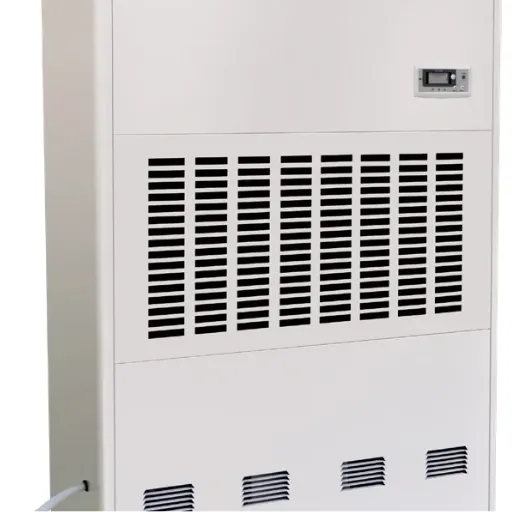
Before you compare specifications, describe what the dehumidifier must accomplish. Different applications create different moisture challenges. A swimming-pool room, a pharmaceutical storage area, and a cold-store loading dock do not need the same solution.
Write down the problem in concrete terms. Is the issue condensation on cold surfaces, mold growth, product degradation, or corrosion of equipment? Each problem points to a different capacity and control strategy.
Common applications for industrial dehumidifiers
Industrial dehumidifiers appear in settings where humidity control protects products, equipment, or processes. Common applications include:
Warehouses and distribution centers that store moisture-sensitive goods.
Food processing and cold-chain facilities where condensation creates slip hazards or contamination risks.
Pharmaceutical and electronics manufacturing that needs stable relative humidity.
Museums, archives, and libraries that preserve paper, film, and fabric.
Indoor pools, ice rinks, and athletic facilities with large water-surface evaporation.
Construction and renovation sites that need accelerated drying.
Each setting changes the calculation. A warehouse may need steady background drying, while a construction site needs rapid moisture removal over a short period. For buyers also evaluating temperature-control equipment, review refrigerated cabinet requirements for related site conditions.
What moisture damage looks like in practice
Moisture problems rarely arrive as a single dramatic event. They show up as rust on racking, swelling in wooden crates, labels that peel, or a musty smell in storage areas. The EPA mold and moisture guidance recommends keeping indoor relative humidity below 60% to reduce mold risk. For sensitive products, buyers may target 40% to 50% relative humidity.
When Maria took over a 2,000-square-meter electronics warehouse in Dongguan, she noticed cartons sagging after the spring rains. A handheld meter showed relative humidity climbing to 72% near the loading bay. Her facilities team assumed the air conditioning was broken, but the cooling coils were simply not sized to pull enough moisture from the humid coastal air. An industrial dehumidifier sized for the space and air exchange rate brought the warehouse back to 50% relative humidity within 48 hours.
Note: Target humidity levels depend on the product, process, and local climate. Confirm the required range with your quality or operations team before selecting a unit.
Want to see which equipment category fits your application? Explore dehumidification equipment options and share your site conditions for a documented review.
Industrial dehumidifier capacity calculation: size the load
Capacity is the most quoted number in any dehumidifier specification, but it means nothing without the conditions behind it. A unit rated at 100 liters per day at 30 °C and 80% relative humidity will produce far less at 15 °C and 50% relative humidity.
Start with the load calculation. You need three pieces of information: the space volume, the sources of moisture, and the rate of air exchange with the outdoors. This industrial dehumidifier capacity calculation gives you a starting point for comparing model datasheets.
Measure the space
Record the length, width, and height of the area you want to dehumidify. Multiply these dimensions to get the volume in cubic meters or cubic feet. Do not guess. A 10-meter by 15-meter room with a 4-meter ceiling contains 600 cubic meters of air. That number drives the airflow and capacity requirement.
If the area is open to other spaces, decide whether the dehumidifier will serve the whole zone or only a portion. Partial treatment requires partitions, air curtains, or a different distribution strategy.
Estimate moisture sources
Moisture enters a space in several ways. Count each source as accurately as possible:
Infiltration: Outdoor air leaking through doors, windows, and building gaps.
Occupants and processes: People exhale moisture; washing, cleaning, and production steps add water vapor.
Evaporation from open water: Pools, tanks, and wet floors release large amounts of moisture.
Wet materials: Fresh concrete, lumber, paper, and textiles hold water that evaporates into the air.
Weather events: Heavy rain, flooding, or seasonal humidity spikes add sudden loads.
A swimming pool can add tens of liters of water to the air every hour. A dry warehouse in Arizona faces a far smaller load from infiltration alone. Document each source so the supplier can check the capacity against your conditions.
Account for air changes
Buildings are not airtight. Outdoor air replaces indoor air at a measurable rate, expressed as air changes per hour (ACH). Older warehouses may experience one to two ACH. Tight modern buildings may fall below 0.5 ACH.
To estimate moisture load from ventilation, multiply the air volume by the ACH and by the moisture difference between indoor and outdoor air. A supplier or HVAC engineer can run this calculation using psychrometric data for your location. Do not accept a capacity recommendation that ignores your local design conditions.
The ASHRAE handbook resources provide accepted methods for psychrometric analysis and load calculations. Use them as a reference when reviewing supplier proposals.
Match capacity to operating conditions
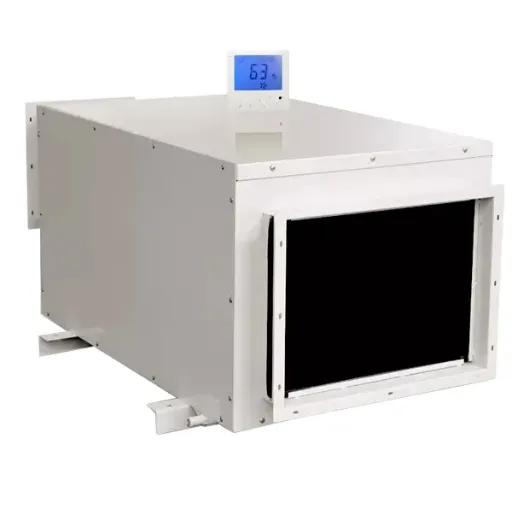
Once you know the load, you can compare capacity ratings. Pay close attention to the test conditions printed next to each rating. A portable unit rated at 50 liters per day at 30 °C and 80% RH might deliver only 15 liters per day at 18 °C and 50% RH.
Understand capacity ratings
Manufacturers state capacity using different temperature and humidity combinations. Common reference points include:
30 °C, 80% RH: Hot, humid conditions typical of tropical climates or summer peaks.
27 °C, 60% RH: A moderate test condition used for some commercial ratings.
10 °C, 50% RH: Cool conditions found in cold storage, basements, and unheated facilities.
Always compare ratings at the same conditions. If one supplier quotes 30 °C and another quotes 10 °C, you are not comparing like-for-like. Request capacity curves or performance tables across the temperature and humidity range you expect.
Temperature matters more than buyers expect
Refrigerant dehumidifiers remove moisture by cooling air below its dew point. As air temperature drops, the coil must run colder to condense water. Below about 15 °C, a standard refrigerant unit loses efficiency quickly. In cold spaces, a desiccant dehumidifier may be the better choice because it adsorbs moisture on a rotating wheel rather than condensing it on a cold coil.
Tom operated a cold-store loading dock in Melbourne where temperatures stayed between 4 °C and 8 °C. He installed a refrigerant unit rated for a much larger room, but condensation kept forming on the dock ceiling. The coil never got cold enough to extract moisture at those temperatures. After switching to a desiccant industrial dehumidifier with a reactivation heater, the dock stayed dry and the ice buildup on the floor disappeared.
Verification required: Confirm the rated capacity at your minimum operating temperature before selecting a refrigerant or desiccant unit.
Dehumidifier installation requirements: drainage, power, and location
A dehumidifier that does not fit the space, drain properly, or match the electrical supply will not solve the humidity problem. Review these practical constraints before requesting a final quotation.
Location and airflow
Place the unit where air can circulate freely. Most manufacturers specify minimum clearance around the intake and discharge. Blocked airflow reduces capacity and can cause the compressor to cycle on safety controls.
Consider noise, heat output, and maintenance access. A refrigerant dehumidifier adds sensible heat to the room as it runs. In a small space, that heat may raise the temperature and change the humidity balance. Desiccant units release warm, dry reactivation air that must be ducted outside or managed within the building.
Drainage options
Condensed or adsorbed water must go somewhere. Common arrangements include:
Gravity drain: A hose runs to a floor drain or sump. Simple, but requires the dehumidifier to sit above the drain.
Condensate pump: A small pump lifts water to a remote drain or collection tank. Useful when a floor drain is not available.
Collection tank: A built-in tank stores water until it is emptied. Tank size limits runtime before manual emptying.
For continuous operation, choose gravity drainage or a pump. Tanks work only for temporary or portable use.
Electrical requirements
Check voltage, frequency, and phase against your site supply. Industrial dehumidifiers may require 220 V, 380 V, or 460 V, and single-phase or three-phase power. Desiccant units also need power for the reactivation heater, which can draw several kilowatts.
Confirm that the electrical panel has spare capacity. A unit that trips the breaker every few hours is not a solution. Request the rated input power and starting current from the supplier so your electrician can verify compatibility.
Have your site conditions ready? Discuss your application requirements and request a capacity check against your space, climate, and power supply.
Compare commercial and industrial dehumidifier types and features
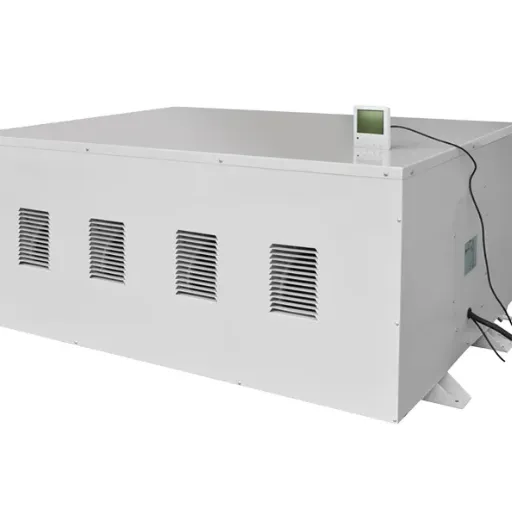
Industrial dehumidifiers fall into two main technologies: refrigerant and desiccant. Each has strengths, and the right choice depends on temperature, target humidity, and operating priorities.
Refrigerant vs desiccant dehumidifiers
Refrigerant dehumidifiers work best in warm, humid conditions. They are efficient at removing large amounts of water when the air temperature is above 15 °C. They are also simpler to maintain and usually less expensive to operate in moderate climates.
Desiccant dehumidifiers excel in cold or low-humidity environments. They can dry air below 40% relative humidity and continue working at temperatures near freezing. They use a silica-gel or lithium-chloride wheel that absorbs moisture, then a heated air stream regenerates the wheel. The trade-off is higher energy use and the need to manage hot reactivation air.
Use the decision framework below to narrow the choice:
| Condition | Refrigerant | Desiccant |
|---|---|---|
| Air temperature above 20 °C | Usually preferred | Acceptable |
| Air temperature below 15 °C | Less efficient | Preferred |
| Target humidity above 45% RH | Usually preferred | Acceptable |
| Target humidity below 40% RH | Limited | Preferred |
| Large continuous moisture load | Often lower operating cost | Higher energy use |
| Deep drying for archives or pharma | Limited | Preferred |
Portable vs stationary units
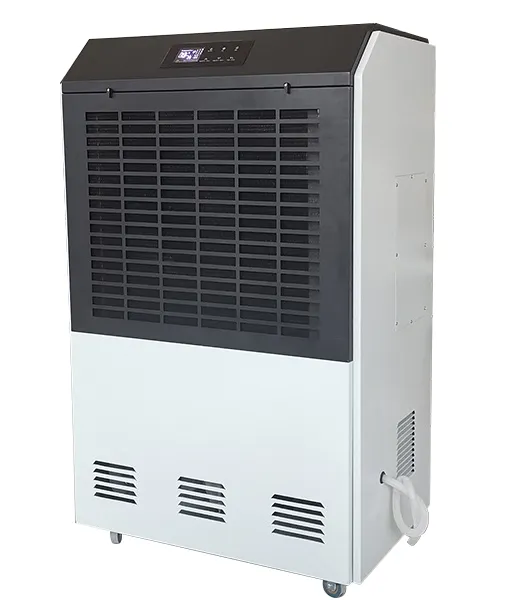
Portable commercial dehumidifiers on casters suit construction drying, temporary remedial work, and small zones. Stationary units mount permanently and connect to ductwork, drains, and controls. For a facility that needs year-round humidity control, a stationary unit with fixed installation is the more reliable choice.
Controls and monitoring
Look for a unit with a humidistat that lets you set a target relative humidity. Digital displays, runtime counters, fault alarms, and remote monitoring help facilities teams track performance. If the unit will run unattended, automatic defrost, filter-change reminders, and fault diagnostics reduce service calls.
Some units offer building management system (BMS) integration. If you need central monitoring, confirm the communication protocol and whether the supplier provides the interface module.
Ready to compare documented specifications? Download the equipment selection checklist and use it to collect the details suppliers need.
Request and verify model documentation
A quotation without supporting documentation is hard to evaluate. Ask the supplier for the current datasheet, manual, and any test reports that apply to the model under consideration.
What to request before comparing offers
Prepare a list of documents you need for technical review. A complete request should include:
Rated capacity at your operating temperature and humidity.
Airflow rate in cubic meters per hour or cubic feet per minute.
Power supply requirements, including voltage, frequency, phase, and maximum current.
Dimensions, weight, and installation clearances.
Drainage connection size and recommended arrangement.
Noise level in decibels at a stated distance.
Operating temperature and relative humidity range.
Filter type, replacement interval, and part number.
Warranty period and what it covers.
How to compare like-for-like
Create a comparison table with one row per model and one column per requirement. Fill in values directly from the datasheets. Do not mix ratings from different test conditions.
If a supplier quotes capacity without stating temperature and humidity, ask for the missing condition. A 100-liter-per-day rating at 30 °C and 80% RH is not comparable to a 100-liter-per-day rating at 10 °C and 50% RH.
Also confirm commercial terms separately from technical data. Lead time, minimum order quantity, shipping terms, payment terms, and destination-market documentation should be provided in writing and tied to the specific model and order conditions.
Plan for maintenance and long-term operation
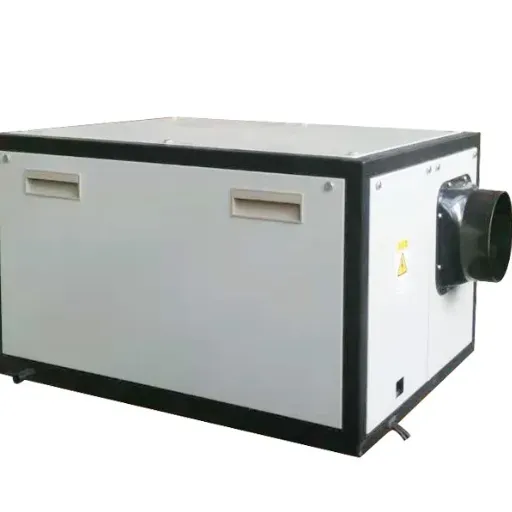
The cheapest unit to buy is not always the cheapest unit to own. Filters, coils, wheels, and fans need regular attention. Before ordering, understand what maintenance the unit requires and whether your team can perform it.
Filter changes and coil cleaning
Refrigerant dehumidifiers use air filters that trap dust before it reaches the evaporator coil. Dirty filters reduce airflow and capacity. Most manufacturers recommend checking filters monthly and replacing or cleaning them quarterly, but dusty environments may need more frequent service.
The evaporator and condenser coils also need cleaning. Grease, dust, and corrosion on the fins reduce heat transfer. Some units have coated coils for corrosive environments such as coastal or pool locations. Ask the supplier for the recommended cleaning procedure and whether special tools are required.
Service access and spare parts
Desiccant dehumidifiers have a rotor wheel, drive belts, heaters, and seals that wear over time. Ask the supplier about the expected rotor life, replacement cost, and availability. A wheel that lasts 10 years in a clean office may last 3 years in a dusty warehouse.
Confirm how warranty claims are handled and where spare parts ship from. For international buyers, documentation that matches the destination-market electrical and safety standards is just as important as the part itself.
When the procurement team at a textile mill in Istanbul selected a dehumidifier for their raw-material storage, they asked for the maintenance schedule and spare-part list before signing the order. That request revealed that the supplier stocked filters locally but shipped wheels from overseas. The team added a spare rotor and a set of belts to the initial purchase, which prevented a two-week shutdown two years later when the original wheel reached the end of its service life.
How to choose an industrial dehumidifier: final checklist
Choosing an industrial dehumidifier is not about finding the largest unit or the lowest price. It is about matching a documented model to a defined moisture problem.
Start with the application and the damage you need to prevent. Calculate the space volume, moisture sources, and air changes. Match capacity to your actual operating temperature and humidity. Check installation, drainage, and power constraints. Compare refrigerant and desiccant technologies against your conditions. Request complete documentation, and plan for maintenance before the unit arrives.
The right dehumidifier will protect products, reduce downtime, and lower repair costs. The wrong one will run constantly without reaching the target humidity.
Request a quotation for an industrial dehumidifier matched to your application, site conditions, and documentation requirements. XiAn Wisdom Computer Info&tech Co., Ltd can review your requirements and confirm which dehumidification equipment category fits your project.
Recently Posted
-
Centrifugal blower selection: how to choose the right model for your application
August 12, 2026Most centrifugal blower selection mistakes are not made inside the machine. They are made before the enquiry goes out, when a buye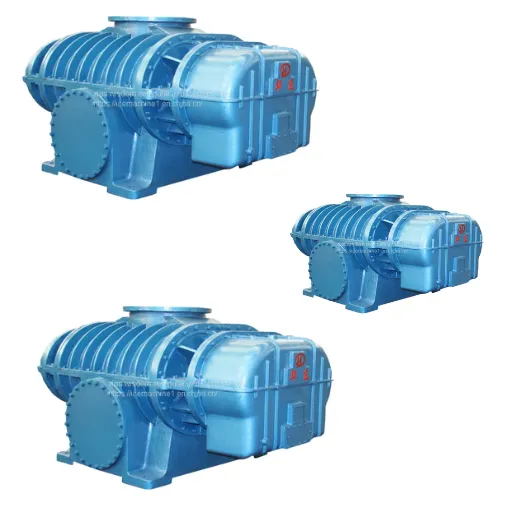 Read More
 -
How to Select a Pump for Your Application: A Buyer's Guide
August 12, 2026In March 2026, a maintenance supervisor at a beverage plant in Monterrey filed a one-line request: "Get us a new water pump.&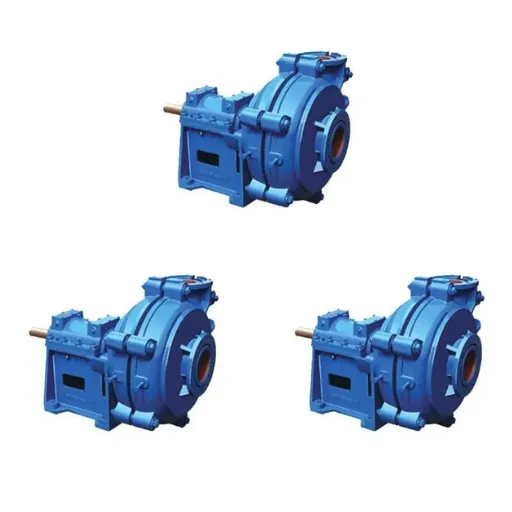 Read More
 -
Industrial Pump Selection: A Practical Guide for Buyers
August 12, 2026A plant engineer at a beverage bottling facility in Rotterdam ordered three pumps in March 2025, choosing them by flow rate and pr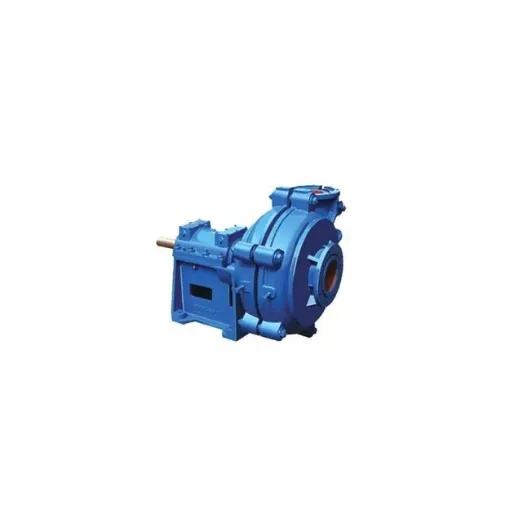 Read More
 -
How to choose water treatment equipment: a buyer's selection guide
August 12, 2026What would a failed water-quality audit cost your operation? For a food processor, a beverage plant, or a commercial facility, the Read More

Contact Us
Recommended Products
-
 Large Capacity Ceiling Mounted Space Saving Indoor Pool DehumidifierNegotiableMOQ: 1 Piece
 -
Commercial Home Use Bathroom Dehumidification Swimming Pool Ceiling Mounted Mini DehumidifierNegotiableMOQ: 1 Piece
-
Greenhouse Grow Room Industrial Ceiling Mounted Duct Indoor Pool DehumidifierNegotiableMOQ: 1 Piece
-
Duokai OEM Indoor Dehumidifier Portable Swimming Pool Dehumidifier in Stock With CENegotiableMOQ: 1 Piece
-
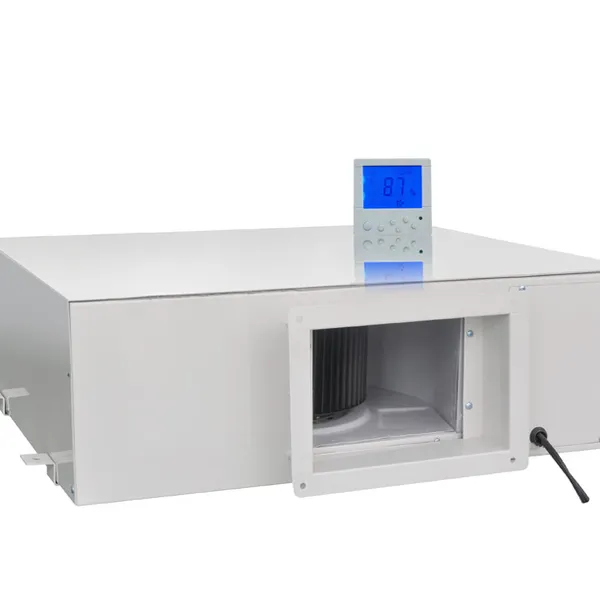
High Quality Low Voltage ODM & OEM PLC Distribution CabinetNegotiableMOQ: 1 Set
-
Saladin Type Malt Production LineNegotiableMOQ: 1 Set
-
Seawater Desalination SystemUS$ 2000 - 1000000MOQ: 1 Set
-
High Speed Synthetic Lane Bowling Ball ReturnUS$ 50 - 2000MOQ: 10 Pieces
-
Reliable Automatic Six Axis Industrial Packing Robot With Self Diagnostic SystemNegotiableMOQ: 1 Piece
-
Multi-Travel Radius Six Axis Servo Robot for Custom Automation WorkstationNegotiableMOQ: 1 Piece

-
Labor Saving 6 Axis Industrial Robot Boost Workshop Production EfficiencyNegotiableMOQ: 1 Piece
-
Factory Direct Wholesale Carton Palletizer Packing Line Robot for MilkNegotiableMOQ: 1 Piece
-
Six-Axis Industrial Robotic Arm for Handling Welding Loading UnloadingNegotiableMOQ: 1 Piece
-
High-Automation High-Precision Six-Axis Metal Laser Industrial Welding RobotNegotiableMOQ: 1 Piece
-
Six-Axis Automatic Industrial Welding Robot Arm With Competitive PriceNegotiableMOQ: 1 Piece