
 Business License

How to choose an industrial mold manufacturer: a buyer's guide
In early 2024, a product team at a small appliance company approved a mold quote based mainly on price. The tooling arrived on schedule, but the first sample parts were out of tolerance. The cavity steel was well machined, but the drawing had not accounted for resin shrinkage at the planned wall thickness. Six weeks of rework followed, and the production launch was delayed. The problem was not only the mold; the selection process had skipped the questions that matter.
If you are sourcing an industrial mold manufacturer for the first time, or switching suppliers, the lowest initial quote rarely tells the whole story. A successful project depends on clear requirements, capable equipment, documented quality processes, and open communication before any metal is cut.
This guide explains how to choose an industrial mold manufacturer by focusing on what to prepare, what to evaluate, and what to confirm. You will learn how to define your mold requirements, review technical and quality capabilities, compare communication practices, and structure a quotation request. The goal is to reduce rework, avoid delays, and receive tooling that matches your production needs.
Before you contact any supplier, capture your project details in an equipment selection checklist so nothing is missed during the first conversation.
Define your mold requirements before contacting a manufacturer
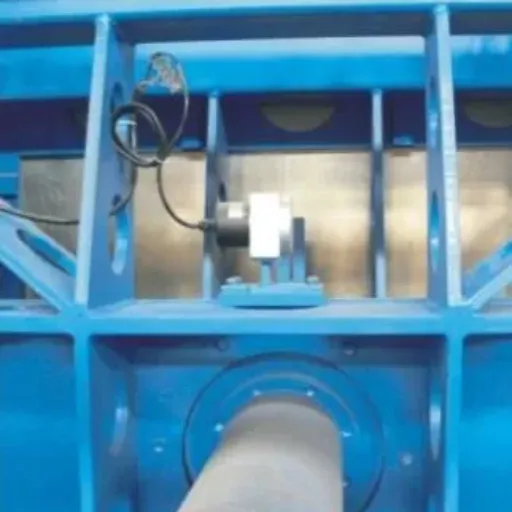
A clear requirement package is the foundation of any successful mold project. An industrial mold manufacturer can only quote accurately when the buyer provides part geometry, material, production volume, and quality expectations. Without this information, the supplier must assume values, and those assumptions often differ from the buyer's intent.
Product application and production volume
Start with the end use of the molded part. Will it carry load, resist heat, seal against fluids, or face outdoor exposure? The application determines material selection, wall thickness, draft angles, gate placement, and cooling design. It also affects the mold steel choice and expected tool life.
Production volume matters because it determines the mold class. A prototype mold may use softer aluminum or pre-hardened steel and accept shorter life. A high-volume production mold usually needs hardened tool steel, multiple cavities, hot-runner systems, and automated ejection. Quote the wrong volume, and you may pay for durability you do not need, or receive a tool that wears out too quickly.
When Elena, a procurement manager for an automotive supplier, prepared her first mold enquiry, she listed annual volume, peak weekly demand, and expected product lifecycle. That data helped the supplier recommend a four-cavity hardened steel mold instead of the single-cavity prototype tool she had initially assumed.
Material and part geometry
Provide the resin or alloy specification, including grade, shrinkage rate, and processing temperature. If you have not selected a material, describe the mechanical and environmental requirements so the supplier can suggest options. Part geometry should include wall thickness, undercuts, threads, bosses, ribs, and surface finish requirements.
Also share any design for manufacturing constraints. Deep ribs, thin walls, or tight radii can create molding defects if the mold design does not compensate. A qualified industrial mold manufacturer will review these features and flag risks before cutting steel.
Evaluate technical capabilities and equipment
Not every mold shop can produce every type of tool. Some specialize in small precision molds for electronics. Others focus on large industrial molds for appliances or automotive parts. Matching the supplier's capabilities to your project prevents wasted effort.
Machining, EDM, and surface finishing
Ask about the primary machining methods. CNC machining centers cut cavities and cores from solid blocks. Electrical discharge machining (EDM) produces fine details, sharp corners, and complex geometries that milling cannot reach. Wire EDM cuts precise inserts and pins. Surface finishing includes polishing, texturing, and coating to achieve the required part appearance and release behavior.
The presence of in-house equipment is not the only factor. Ask about maintenance schedules, calibration records, and maximum workpiece size. A shop with the right machines but overloaded schedules may miss deadlines. A smaller shop with focused expertise may be a better fit for a specialized part.
Mold design and simulation support
Modern mold design often relies on computer-aided design (CAD) and mold-flow simulation. CAD files define the cavity geometry, while mold-flow analysis predicts fill patterns, weld lines, air traps, and shrinkage before metal is cut. Ask whether the supplier provides design support, accepts your native CAD files, and can run simulation if your team does not.
Some buyers provide complete drawings and only need manufacturing. Others need the industrial mold manufacturer to develop the mold design from a part model. Clarify where responsibility begins and ends. Misunderstood design scope is a common source of disputes and cost overruns.
Review quality management and verification processes
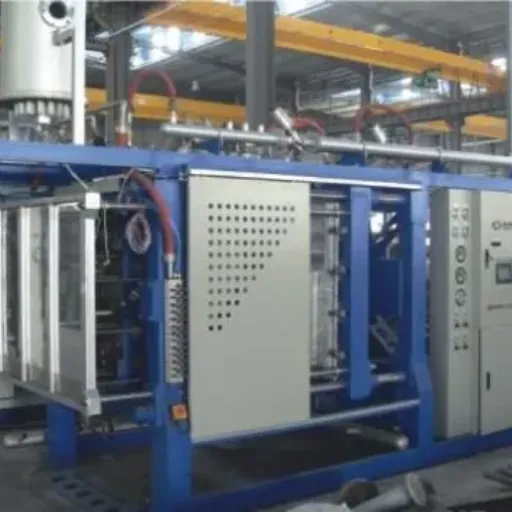
Quality in mold making appears in two places: the accuracy of the mold itself and the consistency of the parts it produces. Both require documented processes, capable inspection equipment, and clear acceptance criteria.
Inspection equipment and methods
A reliable industrial mold manufacturer should inspect critical dimensions using calibrated equipment. Common tools include coordinate measuring machines (CMM), optical comparators, height gauges, and surface roughness testers. Ask which dimensions will be checked, what tolerance bands apply, and how the results will be reported.
Also ask about trial shots and sample approval. The first samples, often called T0 or first-off samples, reveal whether the mold produces parts within specification. A structured sample approval process gives you the chance to review dimensions, appearance, and fit before the supplier finalizes the tool.
Documentation and traceability
Request a clear list of deliverables. Typical documentation includes 2D drawings, 3D models, steel certificates, heat-treatment records, inspection reports, and sample measurement data. If your industry requires traceability, such as automotive or medical, confirm that the supplier can provide material certificates and process records.
The ISO 9001 quality management standard provides a framework for documented processes, but certification alone does not guarantee suitability for your specific part. Ask how the supplier applies quality controls to mold making, not just whether a certificate exists.
When a medical-device buyer reviewed a potential supplier, he asked for a sample inspection report from a similar project. The report showed CMM data, surface finish readings, and sample photos. That evidence was more useful than the supplier's general quality statement.
Compare communication and project management
Mold projects involve many decisions over weeks or months. The quality of communication can be as important as the quality of machining. A supplier who responds slowly or misses details during design review can cause expensive problems later.
Drawing review and DFM feedback
A capable industrial mold manufacturer should review your drawings and return a design for manufacturability (DFM) report. This report identifies undercuts, thin walls, problematic draft angles, gate locations, and ejector pin marks. It may also propose design changes that reduce cost or improve molding quality.
Pay attention to the depth of the feedback. A supplier who simply accepts every drawing without comment may not be doing a thorough review. A supplier who asks detailed questions about tolerances, material, and assembly usually understands the project better.
Need help preparing your mold enquiry? Review the questions in custom mold requirements to make sure your first request includes the details a manufacturer needs.
Prototyping and sampling
Ask how the supplier handles prototype molds, soft tooling, and bridge tooling. These options let you validate part design before committing to hard production tooling. They reduce the financial risk if the part geometry needs adjustment.
Also confirm the sampling process. How many shots are needed to reach stable conditions? Who provides the resin for trials? How many sample parts will you receive, and what inspection data comes with them? Clear answers prevent confusion when the first parts arrive.
Check destination-market and compliance requirements
Different markets impose different standards on molded parts and the molds that produce them. Before selecting an industrial mold manufacturer, confirm which standards apply to your product and whether the supplier can meet them.
Industry and regional standards
Automotive parts may require production part approval process (PPAP) documentation. Medical devices may need molds built under stricter cleanliness and traceability controls. Food-contact parts may require specific materials and surface finishes. Electrical enclosures may need flame-retardant resins and dimensional stability under heat.
Destination-market regulations also matter. The voltage, frequency, and safety standards for the molding machine may differ between North America, Europe, and the Middle East. If the mold will run on a PVC molding machine at your facility, confirm that the mold design matches the machine's clamp force, tie-bar spacing, shot size, and platen pattern.
When a packaging company in the Middle East ordered molds from a new supplier, it confirmed that the mold mounting pattern matched its existing machines and that the supplier could provide material certificates acceptable to local inspectors. That step prevented installation delays at the receiving facility.
Export and shipping considerations
Molds are heavy, precision tools that require careful packaging and shipping. Ask how the supplier protects cavities, cores, and polished surfaces during transport. Confirm who arranges customs documentation, insurance, and freight. If you need the mold delivered in a specific sequence, such as trial inserts before the full assembly, state that in the purchase order.
Confirm commercial and support information
Technical capability is only part of the decision. Commercial terms, lead times, and support structure determine whether the relationship works in practice.
Quotation structure and revision handling
Request an itemized quotation that breaks out design, material, machining, heat treatment, surface treatment, sampling, and shipping. This helps you compare suppliers on a like-for-like basis and identify where costs differ. A single lump-sum quote can hide significant assumptions.
Also ask how the supplier handles design changes after work begins. Even small drawing revisions can require rework on cavities or cores. Confirm the cost and time impact of typical changes before the project starts.
Lead time, warranty, and after-sales support
Lead time depends on mold complexity, cavity count, supplier workload, and material availability. Ask for a milestone schedule with key dates for design approval, steel purchase, rough machining, finish machining, assembly, trial, and final delivery.
Warranty terms should cover defects in material or workmanship, but they vary widely. Some suppliers warranty the mold for a certain number of shots. Others warranty for a fixed period. Confirm what is included, what voids the warranty, and how claims are handled. After-sales support should also cover spare parts, maintenance guidance, and repair services.
If your project involves a PVC molding machine, the mold and machine must be matched. Review PVC molding machine selection to understand how tooling interfaces with the molding process.
Questions to ask before selecting an industrial mold manufacturer
Use this list during your first conversation or quotation request:
What materials and mold sizes do you typically work with?
Can you review my drawings and provide a DFM report?
What CAD formats can you accept, and do you offer mold-flow simulation?
What machining and EDM equipment do you use for cavity and core work?
What inspection equipment do you use, and what reports will I receive?
How do you handle sample approval and trial shots?
What is your typical lead time, and can you provide a milestone schedule?
How are design changes managed after work begins?
What documentation is included with the finished mold?
What warranty and after-sales support do you offer?
Can you provide references or examples from similar projects?
Have you supplied molds for my destination market, and can you provide relevant compliance documentation?
These questions help you compare industrial mold manufacturer candidates on more than price. They also show the supplier that you understand the project scope, which often leads to more accurate quotations.
Conclusion
Choosing an industrial mold manufacturer requires more than comparing quotations. Start by defining the application, material, volume, and quality requirements. Then evaluate technical capabilities, quality processes, communication practices, and commercial terms. Request documentation at each stage, and confirm that specifications match your operating conditions before approving production.
A well-prepared buyer reduces the risk of rework, shortens the selection process, and builds a stronger supplier relationship. If you need support identifying the right mold requirements for your project, XiAn Wisdom Computer Info&tech Co., Ltd can discuss your application and help you prepare the information a manufacturer needs. Contact the team to review your drawings and request current documentation.
Ready to move forward? Prepare your project details and request a quotation with the drawings, material, volume, and tolerance requirements that will support an accurate response.
Recently Posted
-
Bowling Equipment and Accessories: A Commercial Buyer's Selection Guide
August 14, 2026When Parkview Entertainment opened a 12-lane family center in 2023, the management team assumed bowling equipment was mostly inter Read More
 -
Custom mold requirements: what to include in your enquiry
August 14, 2026In March 2024, a robotics startup sent a mold enquiry with only a 3D model and a target price. The supplier accepted the project, Read More
 -
PVC molding machine selection: a buyer's checklist for the right fit
August 14, 2026Carlos, a procurement manager for a Mexican fittings distributor, received three quotations for a "PVC injection machine" Read More
 -
Industrial Power Requirements: A Buyer’s Selection Guide
August 14, 2026What happens when a USD 12,000 frequency power supply arrives at a facility, only for the operator to find it is configured for 60 Read More

Contact Us
Recommended Products
-
 Large Capacity Ceiling Mounted Space Saving Indoor Pool DehumidifierNegotiableMOQ: 1 Piece
 -
Commercial Home Use Bathroom Dehumidification Swimming Pool Ceiling Mounted Mini DehumidifierNegotiableMOQ: 1 Piece
-
Greenhouse Grow Room Industrial Ceiling Mounted Duct Indoor Pool DehumidifierNegotiableMOQ: 1 Piece
-
Duokai OEM Indoor Dehumidifier Portable Swimming Pool Dehumidifier in Stock With CENegotiableMOQ: 1 Piece
-
High Quality Low Voltage ODM & OEM PLC Distribution CabinetNegotiableMOQ: 1 Set






-
Saladin Type Malt Production LineNegotiableMOQ: 1 Set
-
Seawater Desalination SystemUS$ 2000 - 1000000MOQ: 1 Set
-
High Speed Synthetic Lane Bowling Ball ReturnUS$ 50 - 2000MOQ: 10 Pieces
-
Small Industrial 6-Axis Articulated Robot With Smart Welding System for Precise TasksNegotiableMOQ: 1 Piece
-
Collaborative 6-Axis Welding Robot Arm With Automatic MIG Welder CobotNegotiableMOQ: 1 Piece

-
Smart 6-Axis Articulated Robot Arm for Enhanced Metal Welding PerformanceNegotiableMOQ: 1 Piece
-
Industrial 6-Axis Welding Robot Arm With High Precision for Metal FabricationNegotiableMOQ: 1 Piece
-
Laser 6-Axis Articulated Welding Cobot Robot With Automatic Welding SystemNegotiableMOQ: 1 Piece
-
High-Speed 4-Axis Delta Robot With 3kg Payload, Gripper and Suction Cup for Food Packaging LineNegotiableMOQ: 1 Piece
-
4-Axis Collaborative Robot Arm for CNC Machine Tending and Automation SolutionsNegotiableMOQ: 1 Piece