
 Business License

PVC molding machine selection: a buyer's checklist for the right fit
Carlos, a procurement manager for a Mexican fittings distributor, received three quotations for a "PVC injection machine" in March 2026. Each supplier quoted a different clamp tonnage, screw design, and price. He almost selected the cheapest unit until his engineer pointed out that the screw compression ratio was too high for rigid PVC. The wrong machine would have degraded the material, increased scrap rates, and required a costly barrel replacement within a year.
That story is more common than most buyers expect. A PVC molding machine is not a generic injection press with a different label. The material is heat-sensitive and corrosive when overheated, so the screw, barrel, temperature control, and clamp system must match both the product and the process.
This guide walks through the information you should prepare before requesting a quotation, the machine specifications that matter for PVC, and the documentation you need to verify before ordering. You can also review the broader industrial equipment categories to confirm whether a PVC molding machine is the right starting point for your project.
Want to make sure your enquiry covers the right details? Download the equipment selection checklist and use it to collect your application, output, and utility requirements before contacting suppliers.
What makes PVC molding different from standard injection molding?
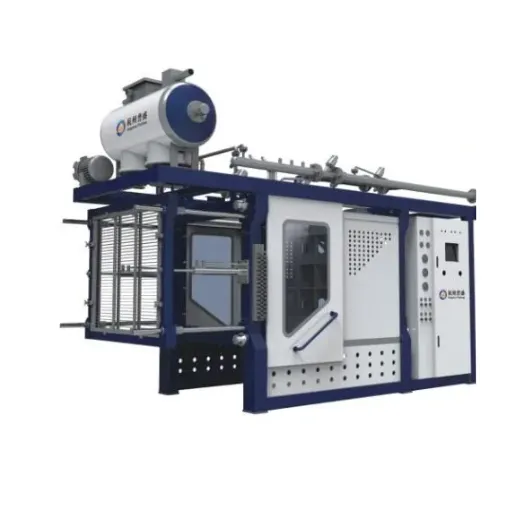
PVC, or polyvinyl chloride, behaves differently from polypropylene, ABS, or polyethylene when it is melted and injected. It begins to degrade at temperatures that other materials tolerate comfortably. Degradation releases hydrogen chloride gas, which can corrode unprotected steel parts and create black specks or brittleness in finished parts.
Because of this behavior, a PVC molding machine needs:
A low-compression screw, typically with a compression ratio between 1:1 and 1.6:1, to reduce shear heating
A corrosion-resistant barrel and screw, such as bimetallic or nitrided construction
Tight temperature control across 4 to 6 barrel zones
A low-shear non-return valve with wider clearances
Short residence times and well-ventilated work areas
These requirements are why the same machine that runs polypropylene caps efficiently may not run PVC fittings without modifications. Always confirm the screw design and barrel material with the supplier for the exact model you are evaluating. The material grade also matters. Rigid PVC, often called uPVC, generally processes at 175°C to 195°C. Flexible PVC, or pPVC, with added plasticizers, usually processes at 160°C to 180°C. Exceeding these ranges risks discoloration, degraded mechanical properties, and corrosive emissions.
Define your product and mold requirements first
The selection process should start with the part, not the machine. Before you compare specifications, document the following:
Part geometry and wall thickness
Thin-walled parts need higher injection pressure and faster fill rates. Thick-walled parts need longer cooling times and more consistent mold temperature control. Record the maximum wall thickness, the longest flow length, and any critical tolerances.
Projected area and cavity count
Clamping tonnage is usually calculated from the projected area of the part multiplied by the number of cavities and the cavity pressure. For PVC, cavity pressure often falls in the range of 300 to 450 kg/cm², but the actual value depends on part geometry, gate design, and material grade. Use the mold designer's projected area and recommended cavity pressure rather than a rule of thumb.
Mold type and mounting
Confirm whether the mold is a standard two-plate mold, a three-plate mold, or a hot-runner system. Hot-runner molds require additional temperature controllers and may need corrosion-resistant components for PVC. Check the mold size against the machine's platen dimensions, tie-bar spacing, and minimum mold height.
If you are sourcing a new mold, prepare the custom mold requirements before discussing the machine. These requirements include drawings, material, dimensions, tolerances, and intended equipment.
Shot weight
The shot weight of the part, including runners and sprue, must fit within the machine's injection capacity. Request the shot volume or shot weight rating for the specific screw diameter under consideration. A common mistake is to size the machine only by clamp tonnage and discover later that the screw cannot deliver enough melt for the cavity set.
Verification required: Ask the mold maker or product engineer for the projected area, shot weight, wall thickness, and recommended cavity pressure before you request machine quotations. These values are the basis for every other specification.
How to estimate clamp tonnage for a PVC part
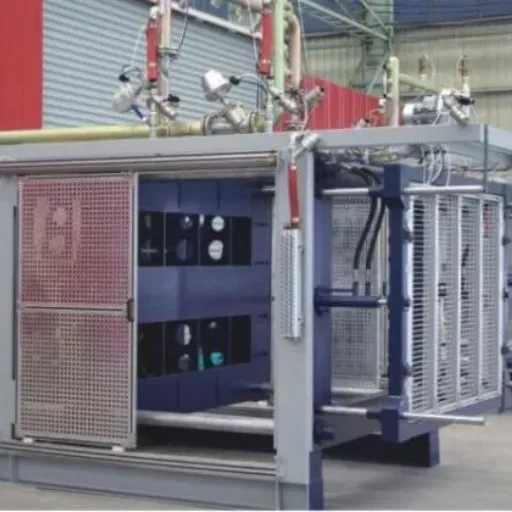
Clamp tonnage keeps the mold closed against the pressure of the injected material. Too little clamp force causes flash. Too much clamp force wastes energy, increases mold wear, and may damage delicate cores.
The basic formula is:
Required clamp tonnage = projected area × cavity pressure × number of cavities × safety factor
For example, imagine a rigid PVC elbow fitting with a projected area of 45 cm² per cavity, a four-cavity mold, and a recommended cavity pressure of 350 kg/cm². The calculation would be:
Projected area for all cavities: 45 cm² × 4 = 180 cm²
Clamp force required: 180 cm² × 350 kg/cm² = 63,000 kg
Convert to metric tons: 63,000 kg ÷ 1,000 = 63 tons
Apply a safety factor of 1.2: 63 tons × 1.2 = 75.6 tons
In practice, buyers often round up to the next standard machine size, such as an 80-ton or 100-ton press, depending on available models and future expansion plans. The safety factor should be discussed with the mold designer and machine supplier because thin walls, complex flow paths, or high injection speeds may require a higher value.
Match PVC molding machine specifications to your process
Once you have the product data, you can compare machine specifications. Focus on the items that directly affect PVC quality and machine life.
Clamp system and tonnage
Toggle clamps are common for medium-tonnage machines, roughly 200 to 650 tons, and are known for fast cycle times. Two-platen designs suit larger parts or applications that need a smaller footprint. Hydraulic clamps remain robust for heavy-duty use.
The right choice depends on your part size, cycle-time target, and maintenance preference. Confirm that the rated clamp tonnage exceeds the calculated requirement by a reasonable safety margin.
Screw and barrel design
This is the most critical area for a PVC molding machine. Request confirmation of:
Screw L/D ratio of approximately 20:1
Compression ratio of 1:1 to 1.6:1
Corrosion-resistant barrel and screw materials
Low-shear non-return valve design
Number and independence of barrel temperature zones
Do not assume that a standard injection screw will handle PVC. A mismatch here causes degradation, corrosion, and premature wear.
Temperature control
PVC melt temperature typically stays between 175°C and 195°C for rigid PVC and 160°C to 180°C for flexible PVC. The exact range depends on the grade. A PVC molding machine should offer independent PID control for at least four barrel zones, plus accurate mold temperature control. Verify the temperature sensor type, calibration records, and whether the control system can alarm on out-of-range conditions.
Injection unit and nozzle
A large-bore open nozzle is usually preferred for PVC. The nozzle temperature is often set 10°C to 20°C cooler than the front barrel zone to prevent drool and premature degradation. Confirm the maximum injection pressure, injection speed range, and whether the machine can maintain consistent velocity across the shot.
Drive type
Servo-driven machines can reduce energy use and noise compared with conventional hydraulic machines, and they respond faster to pressure and velocity changes. Hydraulic machines can be simpler to maintain in some regions and may handle high-tonnage applications cost-effectively. Hybrid machines combine both approaches. Request operating data for the specific model and your expected duty cycle before making a drive decision.
Check power, space, and installation conditions
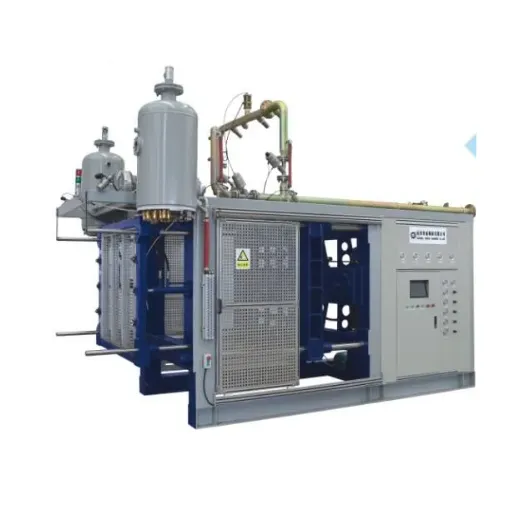
A machine quotation that ignores site conditions can create expensive surprises. Prepare the following information before you discuss delivery. The main injection molding machine requirements for site preparation cover electrical supply, cooling water, floor space, and ventilation.
Electrical supply
Confirm the required voltage, frequency, and phase for your PVC molding machine. Common industrial supplies include 380 V / 50 Hz and 440 V / 60 Hz, but the exact requirement must match your facility and the machine's motor configuration. Ask for the total connected load and whether a transformer or voltage stabilizer is recommended.
Cooling water
Injection molding machines and mold temperature controllers need a reliable cooling-water supply. Document your water temperature, pressure, flow rate, and quality. If your water is hard or contains debris, ask whether a chiller or water-treatment system should be added.
Space and foundation
Measure the available floor space, ceiling height, and door dimensions for delivery. Large machines may need a reinforced foundation or special lifting equipment. Record the weight and footprint from the supplier's layout drawing.
Ventilation and safety
PVC processing requires good ventilation because degraded material can release fumes. Plan fume extraction near the barrel and nozzle area. Also confirm that the machine meets applicable safety standards such as ISO 20430:2020 for injection molding machine safety or ANSI/PLASTICS B151.1-2017 for the U. S. market. The OSHA machine guarding eTool for plastics machinery provides additional guidance on guarding and interlocks.
Maria, a project engineer in Brazil, learned this lesson when her new 320-ton press arrived without the correct voltage configuration. The supplier had assumed 380 V / 50 Hz, but her plant ran 440 V / 60 Hz. The resulting delay cost her three weeks of production planning while a transformer and control reprogramming were arranged. A simple utility checklist sent before order confirmation would have prevented the problem.
Compare PVC molding machine suppliers and documentation
Price is only one part of the decision. A useful comparison of PVC molding machine suppliers looks at documentation, support, and commercial terms together.
Technical documentation to request
Before you finalize an order, ask for the technical documentation that accompanies the specific model. This should include:
Current datasheet with rated capacity, dimensions, utilities, and weight
Electrical diagram and control system manual
Hydraulic and pneumatic diagrams
Recommended spare parts list
Installation and foundation layout
Operator and maintenance manuals in your preferred language
Safety standard compliance statement for your destination market
Supplier evaluation questions
Use these questions to structure your discussions:
Has this exact model been supplied for PVC applications before?
What screw and barrel configuration is recommended for your material grade?
What is the warranty period, and what does it cover?
Are installation, commissioning, and operator training included?
What is the lead time, and what is the payment structure?
How are spare parts supplied, and where are they stocked?
Verification required: Do not rely on a general catalog page for a PVC molding machine. Request model-specific documentation that lists the screw, barrel, temperature zones, electrical supply, and safety certifications for the exact machine under consideration.
Common mistakes to avoid during PVC molding machine selection
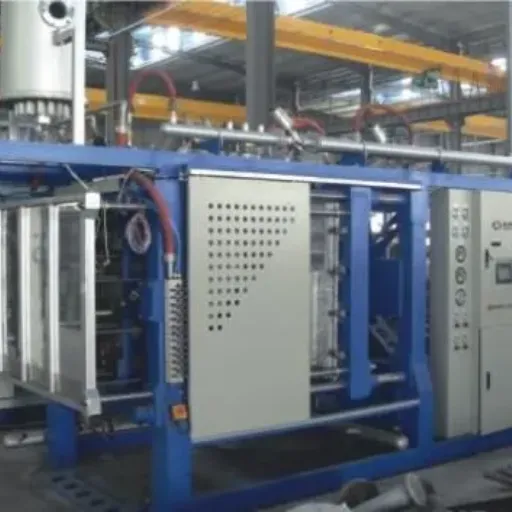
Even experienced buyers can overlook details that matter for PVC. Watch for these pitfalls:
Using a standard screw for PVC
A general-purpose screw with a compression ratio of 2.5:1 or higher will over-shear PVC. The resulting heat can degrade the material and damage the barrel. Always specify a PVC-compatible screw.
Ignoring corrosion protection
Hydrogen chloride from degraded PVC attacks standard steel. A nitrided or bimetallic barrel and screw may cost more upfront, but they typically last longer in PVC service. Confirm the corrosion-protection method for the model you are evaluating.
Overlooking mold temperature control
PVC parts are sensitive to uneven cooling. Warping, sink marks, and poor surface finish often trace back to inadequate mold temperature control. Make sure the machine can support the required number of mold temperature zones.
Selecting by price alone
The lowest quotation may omit the corrosion-resistant barrel, the correct screw, or the voltage configuration your plant needs. Compare like-for-like specifications before comparing prices.
Confirm commercial terms and after-sales support
The final stage of PVC molding machine selection is to align commercial expectations with the technical scope. Use an industrial equipment quotation checklist to record price, lead time, minimum order quantity, warranty, shipping, and payment terms for each supplier.
Warranty and service
Ask for written warranty terms that specify coverage for the clamp unit, injection unit, control system, and electrical components. Confirm whether on-site commissioning and training are included or optional. The company states that after-sales support is a key part of its service approach, but you should still request the specific support documents for your selected model.
Spare parts and maintenance
Request a recommended spare parts list with part numbers and lead times. Identify which parts are wear items for PVC service, such as screws, barrels, nozzles, and non-return valves. Ask whether the supplier can provide maintenance training for your team.
Destination-market requirements
If you are importing the machine, confirm the destination-market electrical standards, safety standards, and any import documentation. For example, machines shipped to the European Union may need CE documentation, while machines for the United States may need to demonstrate compliance with ANSI/PLASTICS B151.1-2017. Request the applicable certificates and test reports for the specific model and voltage configuration.
James, a maintenance supervisor in Nigeria, bought a used injection press to save capital. Within eight months, the barrel and screw showed severe pitting from PVC degradation products. Replacement parts were not locally available, and the original supplier no longer supported the model. His "savings" were erased by downtime, freight costs, and a full screw-and-barrel rebuild. New or not, the machine needed to match PVC from the start and have a documented parts path.
Ready to discuss your PVC molding requirements? Contact the sales team to share your product details, mold data, and site conditions so the recommended machine can be checked against your application.
Conclusion
Choosing a PVC molding machine is a technical decision that starts with the part and ends with verified documentation. The right fit depends on matching the screw and barrel design, clamp tonnage, temperature control, electrical supply, and safety standards to your specific product and operating environment.
Before you request a quotation, prepare the following:
Part geometry, projected area, shot weight, and cavity count
Material grade and whether it is rigid or flexible PVC
Required output and cycle-time target
Electrical supply, cooling water, space, and ventilation conditions
Destination-market standards and required documentation
Questions about warranty, spare parts, training, and commissioning
A well-prepared enquiry reduces rework, avoids mismatched equipment, and helps suppliers quote the right configuration the first time. If you need help organizing these details, request product information and include your part drawings or mold specifications so the discussion can move straight to model-specific recommendations.
Recently Posted
-
Bowling Equipment and Accessories: A Commercial Buyer's Selection Guide
August 14, 2026When Parkview Entertainment opened a 12-lane family center in 2023, the management team assumed bowling equipment was mostly inter Read More
 -
Custom mold requirements: what to include in your enquiry
August 14, 2026In March 2024, a robotics startup sent a mold enquiry with only a 3D model and a target price. The supplier accepted the project, Read More
 -
How to choose an industrial mold manufacturer: a buyer's guide
August 14, 2026In early 2024, a product team at a small appliance company approved a mold quote based mainly on price. The tooling arrived on sch Read More
 -
Industrial Power Requirements: A Buyer’s Selection Guide
August 14, 2026What happens when a USD 12,000 frequency power supply arrives at a facility, only for the operator to find it is configured for 60 Read More

Contact Us
Recommended Products
-
 Large Capacity Ceiling Mounted Space Saving Indoor Pool DehumidifierNegotiableMOQ: 1 Piece
 -
Commercial Home Use Bathroom Dehumidification Swimming Pool Ceiling Mounted Mini DehumidifierNegotiableMOQ: 1 Piece
-
Greenhouse Grow Room Industrial Ceiling Mounted Duct Indoor Pool DehumidifierNegotiableMOQ: 1 Piece
-
Duokai OEM Indoor Dehumidifier Portable Swimming Pool Dehumidifier in Stock With CENegotiableMOQ: 1 Piece
-
High Quality Low Voltage ODM & OEM PLC Distribution CabinetNegotiableMOQ: 1 Set

-
Saladin Type Malt Production LineNegotiableMOQ: 1 Set
-
Seawater Desalination SystemUS$ 2000 - 1000000MOQ: 1 Set
-
High Speed Synthetic Lane Bowling Ball ReturnUS$ 50 - 2000MOQ: 10 Pieces
-
Small Industrial 6-Axis Articulated Robot With Smart Welding System for Precise TasksNegotiableMOQ: 1 Piece
-
Collaborative 6-Axis Welding Robot Arm With Automatic MIG Welder CobotNegotiableMOQ: 1 Piece

-
Smart 6-Axis Articulated Robot Arm for Enhanced Metal Welding PerformanceNegotiableMOQ: 1 Piece
-
Industrial 6-Axis Welding Robot Arm With High Precision for Metal FabricationNegotiableMOQ: 1 Piece
-
Laser 6-Axis Articulated Welding Cobot Robot With Automatic Welding SystemNegotiableMOQ: 1 Piece
-
High-Speed 4-Axis Delta Robot With 3kg Payload, Gripper and Suction Cup for Food Packaging LineNegotiableMOQ: 1 Piece
-
4-Axis Collaborative Robot Arm for CNC Machine Tending and Automation SolutionsNegotiableMOQ: 1 Piece