
 Business License

Industrial Power Requirements: A Buyer’s Selection Guide
What happens when a USD 12,000 frequency power supply arrives at a facility, only for the operator to find it is configured for 60 Hz input while the local grid is 50 Hz? The project stops. Shipping paperwork is rechecked. Engineers ask why the input voltage, frequency, and load profile were not confirmed before the order was placed.
Industrial power requirements are not a detail to address after delivery. They shape whether the equipment runs safely, performs as documented, and produces the expected return on investment. The right place to start is not a catalogue page. It is a clear record of your electrical environment, load profile, operating conditions, and destination-market standards.
This guide explains the industrial power requirements buyers should define before comparing models or requesting a quotation. You will learn which electrical parameters matter, how to document them, and how to confirm that a model matches your application.
Why industrial power requirements matter before equipment selection
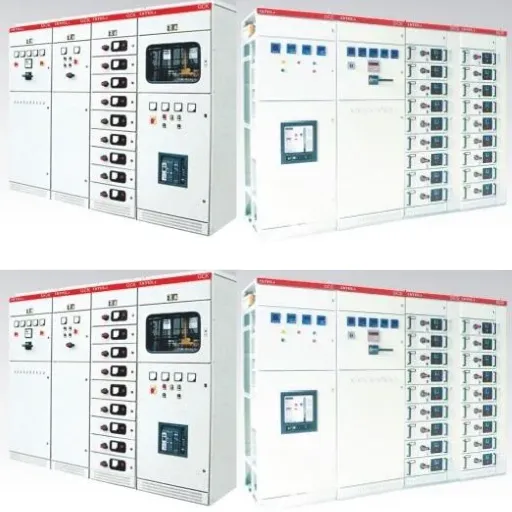
Industrial equipment does not operate in a generic electrical environment. Voltage, frequency, phase configuration, harmonic content, starting current, and environmental conditions all affect whether a unit will run as intended. Buyers who treat these factors as secondary often face delayed commissioning, additional electrical work, or reduced equipment life.
The first reason to define industrial power requirements early is safety. Undersized conductors, mismatched frequency, or incorrect phase configuration can overheat conductors, trip breakers, or damage protection devices. The second reason is performance. A motor compressor, a heating element, and a variable-frequency drive each place a different demand on the power supply. The third reason is cost control. Reconfiguring or replacing powered equipment after delivery adds expense that a documented checklist could have prevented.
Note: This article covers general selection principles. Always confirm model-specific electrical parameters, installation requirements, and applicable standards with the manufacturer’s current documentation before placing an order.
The core electrical parameters every buyer should record
Before requesting a quotation, prepare a clear electrical profile. The following parameters are the minimum information a supplier needs to recommend a suitable model.
Input voltage and voltage tolerance
Input voltage is the electrical potential supplied to the equipment. Common industrial levels include 208 V, 220 V, 240 V, 380 V, 400 V, 415 V, 480 V, and 600 V, depending on the country and facility. Some equipment accepts a range, for example 380-415 V, while others require a fixed value.
Voltage tolerance is equally important. Grid voltage can fluctuate due to loading, transformer regulation, or nearby equipment. A model rated for 380 V with a ±10% tolerance may operate correctly between 342 V and 418 V. If your site regularly drops below 350 V, that tolerance may not be enough.
Frequency (Hz)
Frequency is the number of alternating-current cycles per second. Most regions use 50 Hz or 60 Hz. Frequency affects motor speed, transformer saturation, and the accuracy of frequency power supplies. A unit designed for 60 Hz may overheat or run incorrectly on a 50 Hz supply unless it is explicitly rated for both.
When exporting equipment, frequency compatibility is one of the first checks. A buyer in a 50 Hz market should confirm that documentation lists 50 Hz operation, not assume the unit will adapt.
Phase configuration
Industrial loads are typically three-phase, while smaller commercial loads may be single-phase. Confirm whether the equipment needs:
Single-phase (1-phase, 1P)
Three-phase (3-phase, 3P)
Three-phase with neutral (3P+N)
Split-phase, depending on the market
Connecting a three-phase motor to a single-phase supply without a suitable converter will prevent operation and may damage the unit.
Current and power demand
Record the full-load current (FLC) or rated power in kilowatts (kW) or kilovolt-amperes (kVA). Loads with motors, compressors, or capacitive elements also need the following checks:
Starting current: Some motors draw five to seven times their running current during startup.
Power factor (PF): The ratio of real power to apparent power. A low power factor increases current demand.
Efficiency: The percentage of electrical input converted to useful work. Waste energy appears as heat.
For example, a 10 kW load with a power factor of 0.8 requires 12.5 kVA of apparent power. The wiring, breaker, and generator must be sized for the kVA, not just the kW.
Duty cycle and load profile
Not all equipment runs continuously. Define whether the application is:
Continuous duty
Intermittent duty
Standby or emergency use
Cyclic with peak and average loads
A diesel generator for emergency backup is sized differently from one that runs a production line eight hours per day. A frequency power supply for testing may see variable loads, while a production supply sees a steady load.
Environmental and installation conditions
Electrical performance depends on the environment. Document the following:
Ambient temperature range
Altitude (cooling efficiency drops at higher altitudes)
Humidity and condensation risk
Dust, corrosive gases, or explosive atmospheres
Available installation space and ventilation clearance
Vibration or shock exposure
If a unit is rated for 40 °C ambient and your facility reaches 50 °C in summer, you may need derating or enhanced ventilation.
Frequency power supply selection: matching input, output, and load
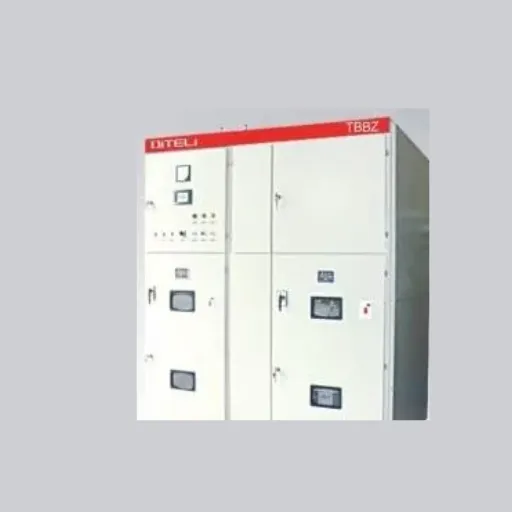
A frequency power supply converts input power to a controlled output voltage and frequency. These units are used for testing, export validation, motor control, and any application where the local grid does not match the load. Industrial power requirements for frequency power supplies go beyond a simple voltage match.
Define the output requirement first
Start with the load that the supply will feed. Record:
Required output voltage
Required output frequency
Continuous power in kW or kVA
Peak or surge power
Number of phases
Waveform quality requirements (total harmonic distortion, THD)
Some loads are sensitive to waveform distortion. Test benches and precision equipment may require a low-THD sine wave. Motor loads may tolerate higher distortion but still need adequate current capacity during startup.
Check input flexibility
Some frequency power supplies accept a wide input range, for example 208-480 V, 50/60 Hz. Others are fixed. If your facility voltage is at the edge of the range, ask for clarification. Also confirm whether the unit needs a neutral connection, protective earth requirements, or a specific input breaker size.
Consider overload and protection features
Industrial frequency power supplies should include protection against overcurrent, overvoltage, undervoltage, and overtemperature. Ask the supplier which protections are built into the model and whether adjustable thresholds are available. Protection settings should coordinate with upstream breakers so a fault is cleared without unnecessary downtime.
Verification required: Request the current technical datasheet for any frequency power supply model. Confirm input voltage range, output voltage and frequency range, continuous and peak power ratings, THD, efficiency, ambient ratings, and protection functions.
Diesel generator sizing: from load list to rated output
Diesel generators are common backup and off-grid power sources for industrial facilities. Correct sizing starts with a load list, not a guess about horsepower or kW rating.
Build a load inventory
List every load the generator will supply. For each item, record:
Running kW or kVA
Starting kVA (especially for motors)
Power factor
Load type: resistive, inductive, capacitive, electronic
Sequence of starting (simultaneous or staged)
Motor loads are usually the limiting factor. A 5 kW motor may need 25-35 kVA to start. If multiple motors start at the same time, the generator must supply the combined starting demand.
Apply appropriate sizing factors
Once you have the load list, apply sizing considerations:
Continuous vs standby rating: A standby-rated generator can produce more power for short emergency periods than a continuous-rated unit.
Altitude derating: Output drops at higher altitudes, sometimes by 3-4% per 300 m above a rated base.
Temperature derating: Hot intake air reduces engine output.
Future expansion: Add margin if load growth is expected.
Non-linear loads: UPS systems, variable-frequency drives, and switching power supplies can distort waveform and require additional generator capacity.
Include control, fuel, and ancillary requirements
Generator selection is not only about kW. Also confirm:
Fuel tank capacity and runtime at full load
Starting system (battery, compressed air, hydraulic)
Automatic transfer switch (ATS) requirements
Noise limits and enclosure type
Emissions compliance for the destination market
Maintenance access and spare-parts availability
In 2023, a facilities manager in Southeast Asia ordered a 100 kVA standby generator for a cold-storage warehouse. The load list looked manageable on paper. However, three compressor units started at the same time during a power outage. They pulled over 200 kVA for several seconds.
The generator overloaded and tripped. The warehouse lost cooling for 90 minutes until grid power returned. After the incident, the facility installed a staged-start sequence and resized the generator to 150 kVA. The original mismatch was not a generator defect. It was an incomplete industrial power requirements review.
Surge protection device selection: voltage, configuration, and standards
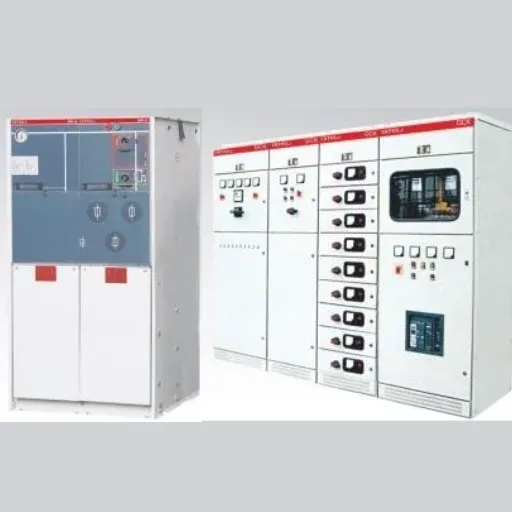
Surge protection devices (SPDs) protect equipment from transient overvoltages caused by lightning, switching, or grid disturbances. Selection depends on the electrical system and the level of protection required.
Identify the system configuration
SPDs are matched to the system voltage and configuration. Common arrangements include:
Single-phase, two-wire
Single-phase, three-wire (split-phase)
Three-phase, three-wire
Three-phase, four-wire (with neutral)
The maximum continuous operating voltage (MCOV) of the SPD must be higher than the nominal system voltage to avoid premature aging or failure.
Select the SPD type by location
SPD types are commonly classified by installation location:
Type 1: Installed at the service entrance, often where external lightning protection exists.
Type 2: Installed at distribution panels to protect downstream equipment.
Type 3: Installed close to sensitive loads, such as outlets or equipment terminals.
A layered protection approach uses a coordinated combination of Type 1, Type 2, and Type 3 devices.
Compare key ratings
When reviewing models, compare:
Maximum continuous operating voltage (MCOV)
Nominal discharge current (In)
Maximum discharge current (Imax)
Voltage protection level (Up)
Short-circuit current rating (SCCR)
Impulse current for Type 1 models (Iimp)
The voltage protection level should be low enough to protect the most sensitive connected equipment. Standards such as IEC 61643-11 and UL 1449 define test methods and ratings.
Verification required: Confirm that the surge protection device model is rated for your system voltage, configuration, and applicable destination-market standard before ordering.
How voltage and frequency affect electrical compatibility
Voltage and frequency are the two most common causes of cross-border electrical compatibility problems for industrial equipment. A buyer who imports equipment from a different region must verify both before installation.
Voltage differences
A unit rated for 480 V will not operate correctly on a 380 V supply. Even if it appears to start, undervoltage can cause overheating, reduced torque in motors, and unreliable control circuits. Overvoltage can damage insulation and shorten component life.
Voltage converters, transformers, or variable-frequency drives may solve some mismatches, but each adds cost, losses, and complexity. The best solution is to select equipment already rated for the destination voltage.
Frequency differences
A 60 Hz motor running on 50 Hz will run slower and draw more current. The magnetic core may saturate, causing overheating. A 50 Hz motor running on 60 Hz will run faster, increasing mechanical load and noise. Frequency power supplies can bridge this gap, but only if sized for both the voltage conversion and the load characteristics.
Plug, socket, and wiring standards
Beyond voltage and frequency, physical connection standards differ. Pin configurations, wire colors, grounding methods, and conductor sizing rules vary by country. Confirm that the equipment includes or is compatible with local installation practices.
Documentation to request before finalizing an order
A complete industrial power requirements review should produce a documented specification. Before finalizing any powered equipment order, request the following from the supplier:
Model number and rated input voltage
Rated input frequency and phase
Full-load current and recommended breaker size
Rated output voltage, frequency, and power (for power supplies and generators)
Efficiency and power factor
Ambient temperature and altitude ratings
Protection functions and settings
Wiring diagram and terminal layout
Installation manual and clearance requirements
Applicable certifications or standards for the destination market
Warranty, spare-parts, and service documentation
Keep these documents in the project file. They are the basis for installation, commissioning, maintenance, and any future troubleshooting.
Common mistakes buyers make when defining power requirements
Even experienced procurement teams can overlook details. Here are the most common errors.
Assuming a single voltage is universal
"It says 220 V, so it should work here." That assumption fails when "220 V" refers to a different nominal range, plug type, or frequency. Always confirm the full electrical rating.
Ignoring inrush and starting current
A load list based only on running power can dramatically undersize generators, breakers, and frequency power supplies. Starting current is often the real limiting factor.
Overlooking power quality
Harmonics, voltage sags, and switching transients are not always visible, but they can damage sensitive controls. If your facility has a history of power-quality issues, mention this during the enquiry.
Neglecting environmental derating
A generator or power supply rated at sea level and 25 °C behaves differently at 1,500 m and 45 °C. Derating factors should be applied based on the actual installation site.
Failing to plan for expansion
Buying exactly for today’s load leaves no room for growth. A modest capacity margin can avoid a second purchase within two years.
A procurement team for a food-processing plant learned this in 2024. They sized a new frequency power supply for their existing test bench. Six months later, they added two more test stations and exceeded the supply’s continuous rating. The unit ran hot, protective functions tripped during peak tests, and the team had to replace it with a larger model. Recording an expected growth margin in the original specification would have prevented the second purchase.
Preparing a power-requirement checklist for your enquiry
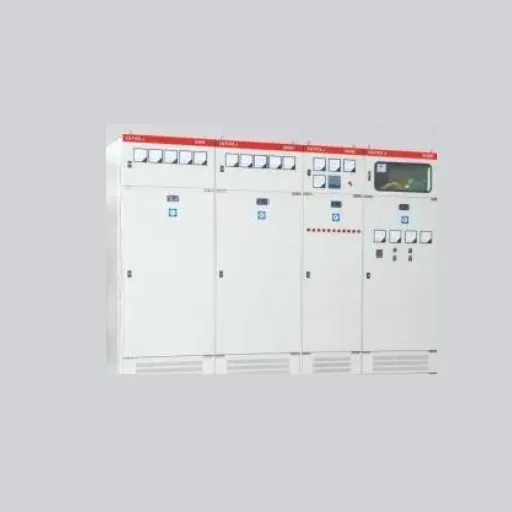
Use the checklist below to organize the information a supplier needs. Completing it before requesting a quotation will improve response accuracy and reduce back-and-forth.
Facility and application information
Country and facility location
Nominal grid voltage and frequency
Number of phases available
Available fault current or breaker capacity
Application: production, testing, backup, export validation, etc.
Load information
Total running kW and kVA
Largest single load and its starting kVA
Load power factor
Number of loads and starting sequence
Acceptable voltage and frequency tolerance
Environmental and installation information
Indoor or outdoor installation
Ambient temperature range
Altitude above sea level
Ventilation and clearance available
Dust, moisture, or chemical exposure
Commercial and support information
Destination-market standards and certifications required
Required delivery documentation
Warranty and service expectations
Spare-parts availability
If your project involves multiple categories, such as ice-making equipment, refrigeration, and power supplies, share the checklist for each category together. This helps the supplier identify interactions between systems, such as generator sizing for multiple compressor loads.
When to request expert review
Some applications require more than a checklist. Consider involving an electrical engineer or the supplier’s applications team when:
Total load exceeds 100 kVA
The system includes large motor starting
Power quality is poor or uncertain
The installation is in a harsh or hazardous environment
The equipment will be exported to a market with unfamiliar standards
Multiple power converters or generators will operate in parallel
An early technical review reduces the risk of ordering equipment that does not integrate safely with your facility.
Ready to move forward? Prepare your power-requirement checklist and share it with the supplier to receive a documented model recommendation.
Conclusion
Industrial power requirements are not a footnote in equipment selection. They determine whether a frequency power supply, diesel generator, or surge protection device will operate safely and deliver the expected performance in your facility. Buyers who document voltage, frequency, phase, current, duty cycle, environmental conditions, and destination-market standards before requesting a quotation avoid the delays and costs that come from ordering the wrong model.
Start by building a complete electrical profile and load list. Documenting industrial power requirements early reduces the risk of ordering the wrong model. Confirm that each candidate model is rated for your actual operating conditions. Request current documentation, and verify that input ratings, output ratings, protection functions, and certifications match your application. When the project is large or complex, involve an applications engineer early.
[Discuss your industrial power requirements and request model documentation →]
With a documented requirement checklist in hand, you can compare equipment options on a like-for-like basis and move toward a confident, well-specified order.
Recently Posted
-
Bowling Equipment and Accessories: A Commercial Buyer's Selection Guide
August 14, 2026When Parkview Entertainment opened a 12-lane family center in 2023, the management team assumed bowling equipment was mostly inter Read More
 -
Custom mold requirements: what to include in your enquiry
August 14, 2026In March 2024, a robotics startup sent a mold enquiry with only a 3D model and a target price. The supplier accepted the project, Read More
 -
How to choose an industrial mold manufacturer: a buyer's guide
August 14, 2026In early 2024, a product team at a small appliance company approved a mold quote based mainly on price. The tooling arrived on sch Read More
 -
PVC molding machine selection: a buyer's checklist for the right fit
August 14, 2026Carlos, a procurement manager for a Mexican fittings distributor, received three quotations for a "PVC injection machine" Read More

Contact Us
Recommended Products
-
 Large Capacity Ceiling Mounted Space Saving Indoor Pool DehumidifierNegotiableMOQ: 1 Piece
 -
Commercial Home Use Bathroom Dehumidification Swimming Pool Ceiling Mounted Mini DehumidifierNegotiableMOQ: 1 Piece
-
Greenhouse Grow Room Industrial Ceiling Mounted Duct Indoor Pool DehumidifierNegotiableMOQ: 1 Piece
-
Duokai OEM Indoor Dehumidifier Portable Swimming Pool Dehumidifier in Stock With CENegotiableMOQ: 1 Piece
-
High Quality Low Voltage ODM & OEM PLC Distribution CabinetNegotiableMOQ: 1 Set

-
Saladin Type Malt Production LineNegotiableMOQ: 1 Set
-
Seawater Desalination SystemUS$ 2000 - 1000000MOQ: 1 Set
-
High Speed Synthetic Lane Bowling Ball ReturnUS$ 50 - 2000MOQ: 10 Pieces
-
Small Industrial 6-Axis Articulated Robot With Smart Welding System for Precise TasksNegotiableMOQ: 1 Piece
-
Collaborative 6-Axis Welding Robot Arm With Automatic MIG Welder CobotNegotiableMOQ: 1 Piece

-
Smart 6-Axis Articulated Robot Arm for Enhanced Metal Welding PerformanceNegotiableMOQ: 1 Piece
-
Industrial 6-Axis Welding Robot Arm With High Precision for Metal FabricationNegotiableMOQ: 1 Piece
-
Laser 6-Axis Articulated Welding Cobot Robot With Automatic Welding SystemNegotiableMOQ: 1 Piece
-
High-Speed 4-Axis Delta Robot With 3kg Payload, Gripper and Suction Cup for Food Packaging LineNegotiableMOQ: 1 Piece
-
4-Axis Collaborative Robot Arm for CNC Machine Tending and Automation SolutionsNegotiableMOQ: 1 Piece